




The most interesting point in the comments
Over the past month, Intel CEO Lip-Bu Tan has had a stellar performance. The topic of technology investment related to memory production and integration was vaguely touched upon, while recalling that he hired the former head of SK Hynix. Intel Chief Financial Officer David Zinsner had to explain that the company had no plans to resume in-house production of memory chips.
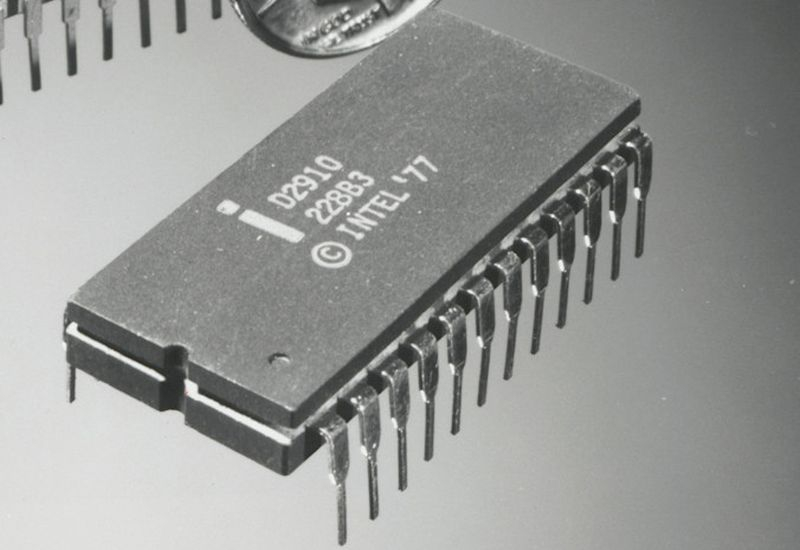
Image source: Intel
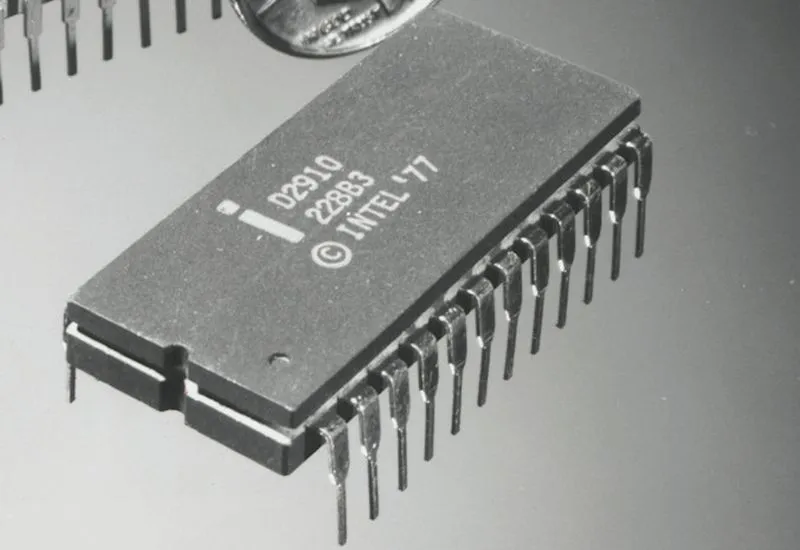
Let’s recall that Intel started producing DRAM wafers in 1968 until about the mid-eighties, and in this decade tried to offer its own version of NAND, but then sold the core business to the Korean company SK Hynix. At a recent Deutsche Bank technology conference, Zinsner commented Here are the rumors surrounding Intel’s return to the memory market: “I would rather avoid the memory market. So I hope you don’t talk about us returning to the DRAM market.”. He further explained that CEO Lip-Bu Tan’s recent comments refer to deepening cooperation with partners and customers to solve bottlenecks that hinder memory performance expansion.
“I think he sees us as a key player in this effort, which involves working with the three major memory manufacturers, with whom he has a good relationship…We discuss regularly what we can do together. Also, there are ways to develop products, architectures for which our products will perform better when interacting with memory.” — Its financial director tried to explain the position of Intel’s chief. In addition to this, the transition to EMIB-T packaging technology will also help achieve this goal, as it will increase the efficiency of component integration.
Tell Google about this to receive more frequent links to our news on technology and IT markets
If you find an error, select it with your mouse and press CTRL+ENTER.