


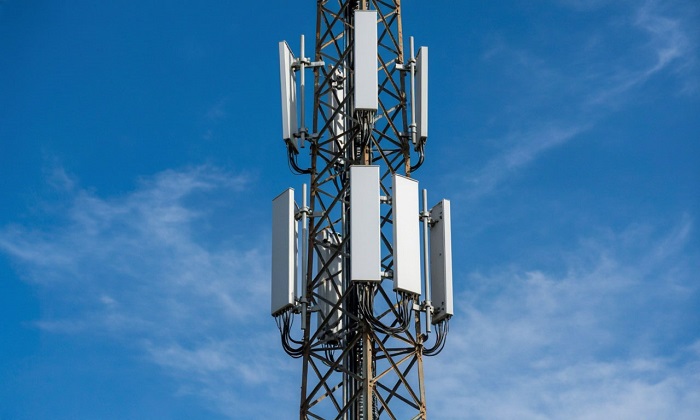
The implementation of Russia’s fifth-generation communications network (5G) has been delayed for years. There are two main reasons: the problem of coordinating the frequency range of its operations, since this is where the country’s military communications and intelligence services operate, and restrictions imposed by Western countries on the supply of related equipment to Russia.
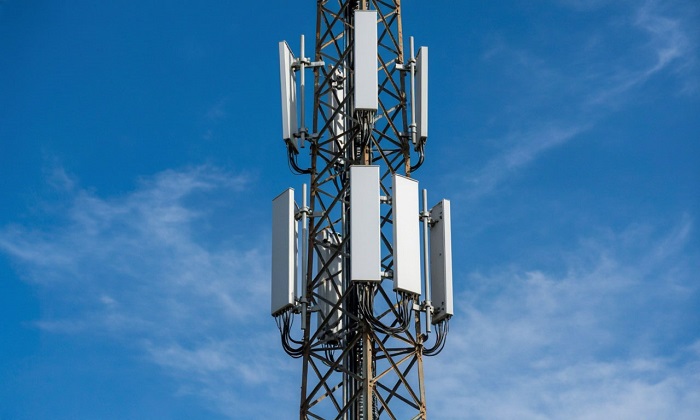
Image source: Alice AI.
It appears that the key issue is the equipment, but it could be produced independently and purchased from countries that do not support economic sanctions practices. Everything is compounded by frequency. Yesterday in the Digital Development Department The meeting was held The State Radio Frequency Commission (SCRF) has agreed to allow the four major operators to deploy 5G networks using the frequency range previously allocated for fourth generation networks (4G/LTE). In addition, another new range in the 4630-4990 MHz frequency band will be allocated to 5G communications: 90 MHz will be allocated to each of the four major telecom operators.
This solution can be said to be a compromise, because the so-called golden frequency range of fifth-generation networks is 3,400 MHz to 3,800 MHz, which can provide acceptable data transmission speeds over a large coverage area, and it is this range that Russia occupies. To put it simply, the theoretical reach of each 5G base station in Russia will be shorter, but it will provide faster communication speeds.
The deployment of Russia’s 5G network will first take place in cities with a population of more than 1 million. In the most popular locations in these cities, the new communication standard should be available by the end of 2028. Then 5G will start to spread across the country and beyond.
It should be understood that for home needs, the average user has sufficient bandwidth and fourth-generation networks. In this context, the issue of deploying fifth-generation networks is more a matter of status than practicality: all key countries on the planet have already organized these networks on a large scale.