
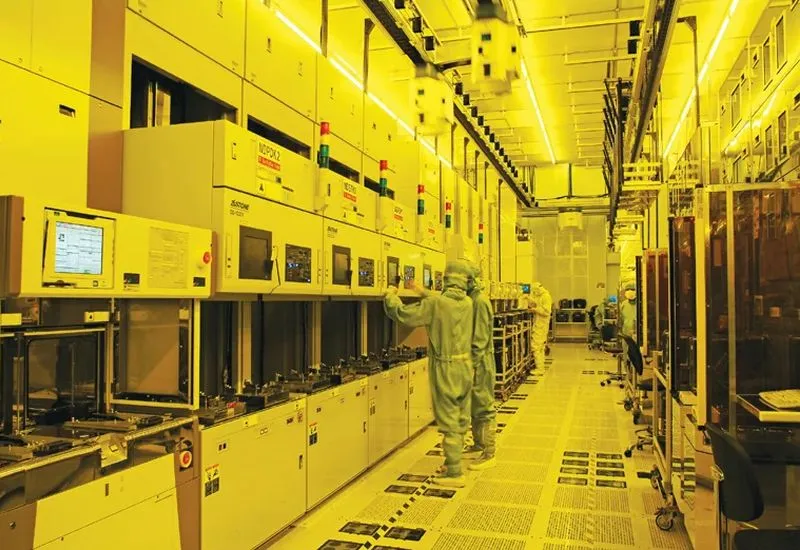
Taiwanese law enforcement officials have repeatedly said that Chinese companies are “clearing out” the local labor market in search of qualified engineers, who often hide behind buildings in front of them. Some of these companies started operating on the island six years ago, luring Taiwanese experts with high salaries and false promises of working for Western companies.
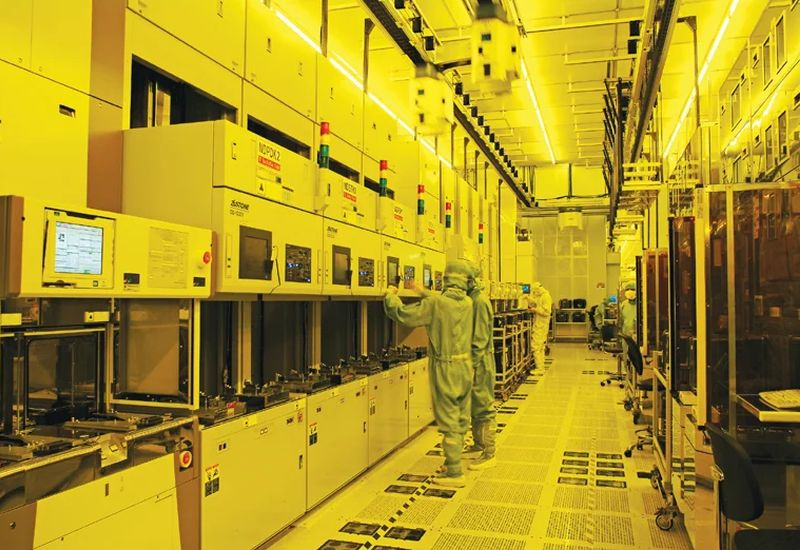
Image source: TSMC
as he said Rest of the worldIn 2020, a Taiwanese engineer living in Hsinchu received a job invitation from the local representative office of Blue Ocean Smart Systems in the United States. The annual salary is US$120,000, which is about twice the industry average. However, after a while, a new employee of “International Company” suspected that this had nothing to do with the United States, and he had to share the results of his work with colleagues from Nanjing, China.
In August 2021, Taiwan police raided the Blue Ocean Intelligent Systems office. The investigation found that the company was actually Chinese-owned and was operating illegally on the island under the guise of a local business. Since then, its activities in Taiwan have had to be curtailed. The engineer then received an offer from another dubious company that might have Chinese roots, so the next time he accepted a job, he had to spend a lot of time checking out prospective employers before he was sure he was getting a job with a real American chip designer.
Over the past six years, Taiwanese law enforcement agencies have investigated 166 cases related to the activities of Chinese companies operating on the island under the guise of local agencies. During the same period, a total of 67 criminal cases were opened regarding the possible transfer of valuable technological information to China. From mid-July to early August this year alone, law enforcement officers raided the offices of 18 Taiwanese companies using similar suspects.
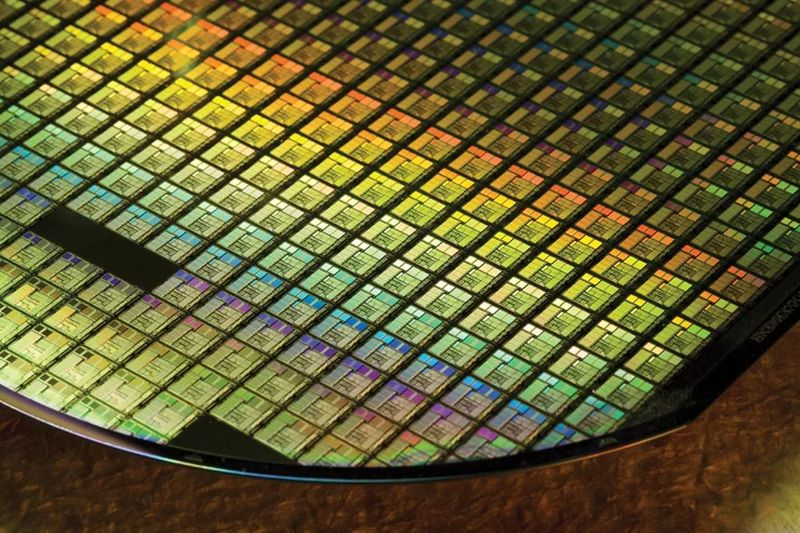
Chinese companies’ interest in local experts is due to the high concentration of companies in Taiwan engaged in semiconductor development and production. The island accounts for about 60% of global chip production and 90% of its share in advanced semiconductors.
It is not easy for Chinese companies to legally register business in Taiwan, so some companies have adopted various tricks: operating through local institutions or registering companies in the name of foreigners. Since 2020, the Taiwan authorities have stepped up their crackdown on such behavior in the technology field.
According to interlocutors from other parts of the world, almost all experts in the Taiwanese semiconductor industry have either received offers from Chinese companies or have heard about similar cases from friends. The salaries offered are sometimes five times higher than in Taiwan, and sometimes even ten times different. Some experts accepted such invitations and went to work in China.
“Rest of World” takes China Gongjin Electronics as an example. Having failed to legally register a representative office in Taiwan, the company created a company whose official owners were Japanese citizens, although funding still came from China. At the same time, China’s semiconductor industry itself is also growing rapidly: from 2015 to 2025, the number of companies developing chips in China increased from 736 to 3,901. This has been facilitated by the government’s technology independence policy and US sanctions on Huawei since 2019.

In Hsinchu alone, over six years, 60 criminal cases related to illegally registered enterprises on behalf of the People’s Republic of China have been opened, and nearly 190 suspects have been charged.
Taiwanese law provides for industrial espionage to be punishable by up to 12 years in prison and a fine of up to US$3.1 million. Take Xiaomi as an example. The company has organized processor development in Taiwan since 2019, attracting more than two dozen local engineers. The organizers of this campaign for the benefit of Xiaomi faced prosecution and were convicted in 2024.
Since 2014, OnePlus has funded a Taiwanese research center to work on its behalf, employing more than 70 local engineers. Chinese contract chip maker Semiconductor Manufacturing International Corporation allegedly used a company registered in Samoa to recruit valuable talent in Taiwan. However, not in all such cases, Chinese companies or individuals associated with them are punished under Taiwanese law.
Representatives of Chinese companies believe that in many cases, the establishment of foreign subsidiaries is a necessary condition to adapt products to local market needs and has nothing to do with geopolitics. In addition, China’s labor market in chip design and production has become significantly more self-sufficient in the past few years, so local companies are less in need of foreign experts. Statistics from Taiwan’s law enforcement agencies partly confirm that the activities of Chinese companies in attracting experts to the island have recently decreased.
If you find an error, select it with your mouse and press CTRL+ENTER.