
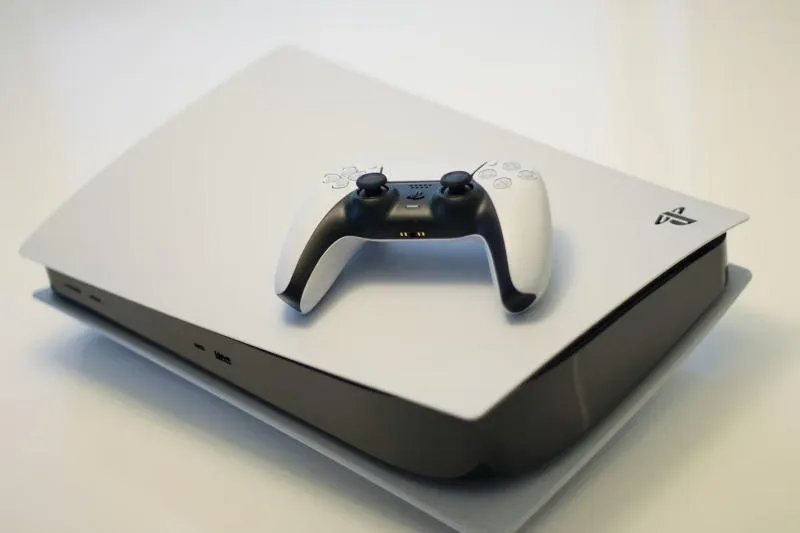
Sony and Microsoft believe they have no obligation to share with customers the funds the companies will be able to return to themselves once U.S. import tariffs are lifted. Consumers have filed lawsuits against console manufacturers, arguing that they have effectively paid for these tariffs through higher device prices, so compensation should not go entirely to the companies.
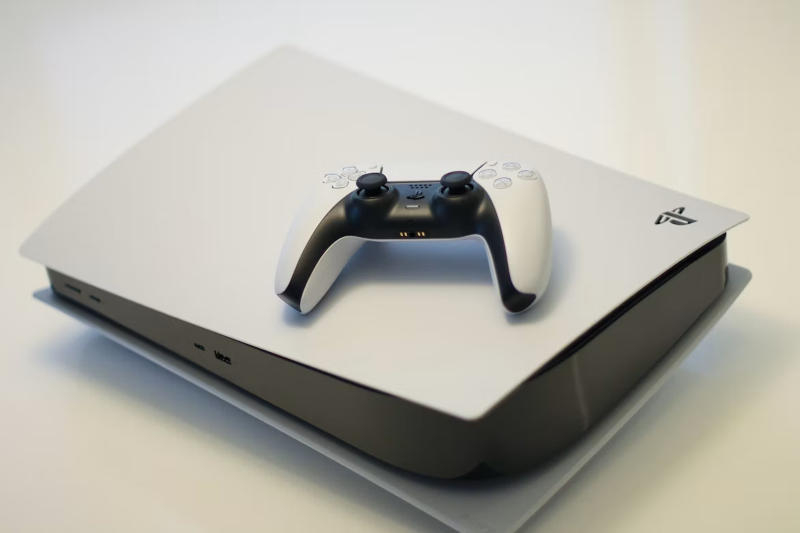
Image credit: Kerde Severin/unsplash.com
Importing companies can ask the government for refunds after the U.S. Supreme Court declared the tariffs illegal. Sony and Microsoft intend to exercise this right, but they will not reimburse customers for a portion of the payments they received.
In California, a group of gamers filed a lawsuit against Sony, seeking the return of money they believe was included in the cost of the console. The company’s lawyer disagreed with this explanation: “Payment of fair market value for voluntarily purchased consumer goods is not legally enforceable actual damages.“Sony sought to dismiss the case even before it reached the class-action stage.
Microsoft is being sued separately by a consumer in Washington state. The company’s argument turned out to be similar: “There’s nothing unfair about the fact that the plaintiff bought the Xbox at the stated price and got what he paid for — no matter what theory he advanced months later about Microsoft’s cost structure. Plaintiffs have not made any specific allegation to demonstrate any price differences caused by tariffs or any other market factors affecting pricing.».
Meanwhile, neither Sony nor Microsoft has directly linked the price increases of their consoles to U.S. tariffs. When Sony raised the price of PlayStation 5 in August 2025, the company explained: “Difficult economic conditions“Microsoft cited it for raising prices in May of that year.”Market conditions and rising development costsTherefore, the plaintiffs have not proven that the tariffs paid by these companies are actually passed on to consumers through higher retail prices.
Nintendo has faced similar accusations before. The company is also seeking tax refunds, arguing that customers have no legal basis to claim refunds. Consumers, on the other hand, argue that the result is that manufacturers actually get paid twice: first they recoup their costs through higher console prices, and then they recoup the tariffs they paid from the government.
The amounts involved can be significant. According to Sony’s calculations, the U.S. government should return about $508 million to it. However, not all manufacturers refuse to share compensation with customers. The Arctic company, which makes cooling systems, has previously promised to temporarily reduce product prices after tariffs are returned, effectively passing the benefits on to consumers.
If you find an error, select it with your mouse and press CTRL+ENTER.