

Figure AI, a company developing humanoid robots, has signed a multi-year agreement with new cloud artificial intelligence provider Nscale to provide computing power. Reportedly worth nearly double the amount of money the company has raised in its entire history Electronic Weekly.
The initial cost of computing power should be $3.5 billion and could grow to more than $6 billion in the future. In the future, Figure AI will have access to 100,000 NVIDIA AI accelerators on the platform Vera Rubin. What’s noteworthy about this deal is the size of the agreement, as Figure AI itself has only raised about $2.3 billion so far. As part of the agreement, Nscale will become Figure’s primary and preferred supplier of computing power and make a strategic investment in the robotics company.
The first batch of artificial intelligence accelerators is planned to be deployed in Barstow, Texas in the second half of 2027. They intend to use these capabilities to conduct further research on the Helix AI system, which controls the Figure AI humanoid robot. The latter business is increasingly affected by limitations related to the amount of data processed and the computing resources required to train Helix.
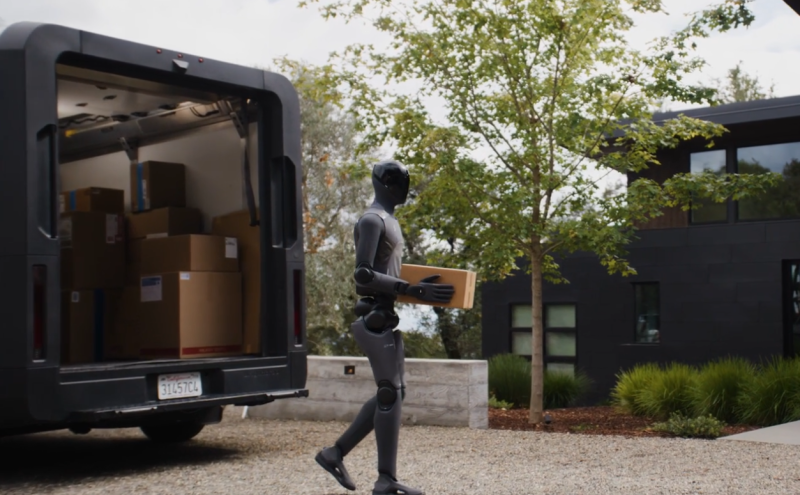
Image source: Figure AI
However, the ratio of funds raised by the company to the amount agreed is a clear indication of the scale of the company’s ambitions. Figure raised $650 million in 2024 and a $1 billion Series C in September 2025, valuing the company at $39 billion. What’s important is how the company plans to fund such a massive infrastructure commitment while growing its fleet of robots.
Figure has spent much of this year demonstrating the system and what its robots can already do. In addition, the company is increasing production of robots. In April this year, she reported that the BotQ department responsible for this matter had produced 350 Figure 03 robots, reaching a production rate of 1 robot/hour.

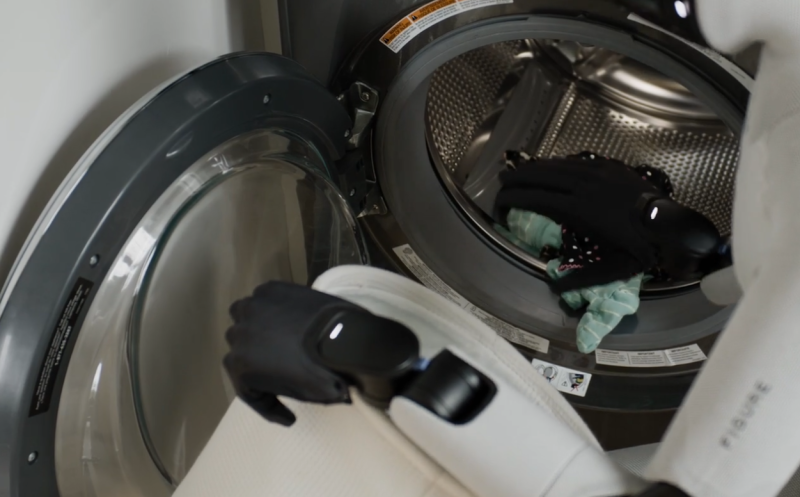
Image source: Figure AI
The $3.5 billion deal coincides with Figure, another project that collects real-world data to teach robots how to move and perform tasks. To that end, the company launched an indexing program to collect videos of people doing various jobs, and by the end of August had accumulated more than 15 million pieces of such material. At that point, every second has been processed for 30 minutes. video, but the company later increased the speed to 35 minutes/second. A little more than a week has passed between the announcement of Index and the deal with Nscale.
Therefore, Fugure is trying to create a closed loop where people create large amounts of materials for training. The company is using more and more computing power to train Helix, and the improved models are being used by more and more robots. In turn, the bot can generate additional data that will help create new versions of the bot. Character machines already operate outside controlled laboratory ecosystems. For example, BMW uses Figure 03 in its factories and tests it against increasingly complex production and logistics challenges.
However, today it is no longer enough to create more advanced motors, robots, batteries, etc. Competition will intensify for AI accelerators, data centers, electricity and vast amounts of data showing how people interact with the world around them. If Figure AI’s strategy is to succeed, robotics industry leaders will need their own AI infrastructure to compete with the power of companies simply developing advanced AI models. They can accelerate the creation of artificial intelligence infrastructure the robot itself.
source: