


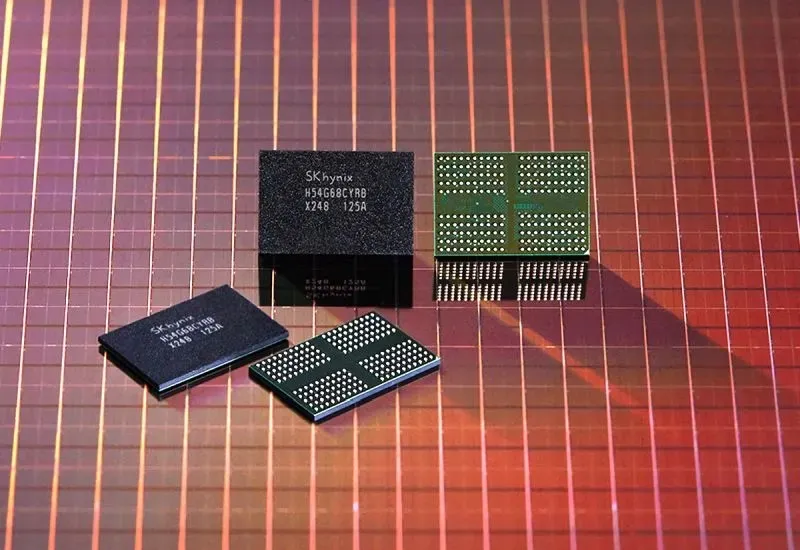
The sharp increase in DRAM memory contract prices has led to increased revenue for its manufacturers. According to TrendForce statistics, DRAM industry revenue increased 59.5% quarter-on-quarter to US$154.73 billion in the second quarter of this year.
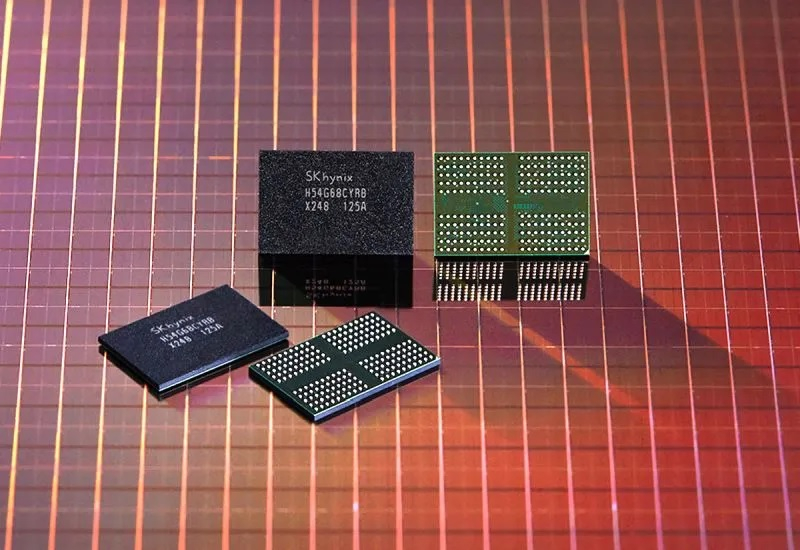
Image source: SK hynix
The growing demand for AI servers driven by the continued expansion of the artificial intelligence industry has stimulated an increase in the supply of various capacity memory chips such as HBM3E, LPDDR5X and RDIMM. Supplier inventories continue to remain at historically low levels, with additional supply primarily dedicated to server hardware. As a result, DRAM memory shipments (in terms of bits) grew slightly in the second quarter.
TrendForce analysts believe that the modest growth in digits of DRAM memory shipments will be one of the key factors affecting manufacturers’ third-quarter revenue. However, the contract price growth of DRAM memory chips is expected to slow down to 13-18% month-on-month. This trend reflects a shift in demand from high-capacity RDIMMs to lower-capacity products, as well as the reduced ability of consumers in the PC and smartphone segments to withstand further price increases. The consumer segment of the DRAM market is expected to see the strongest price increases as manufacturers significantly reduce supply.
In the second quarter, Samsung showed the highest unit shipment growth per memory chip among the largest suppliers. This was facilitated by the early onset of mass production and supply of HBM4 memory. Coupled with the sharp increase in average selling prices, Samsung’s quarterly revenue rose to US$60.98 billion, a quarterly increase of 63.4%. As a result, the company holds a leading position with a market share of 39.4%.
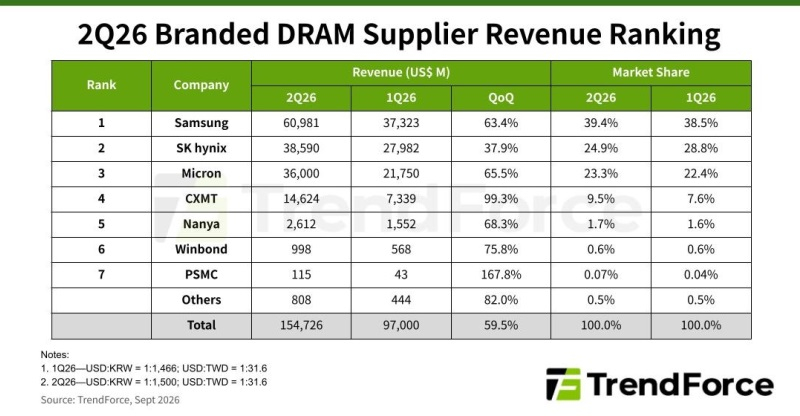
Image source: TrendForce
SK Hynix ranks second. Since HBM has the highest share of total shipments per bit among the three major vendors, ASP growth has not been as strong. However, SK Hynix’s second-quarter revenue increased 37.9% from the previous three months to US$38.59 billion. At the same time, the company’s market share dropped to 24.9%.
During the reporting period, due to limited production capacity, Micron continued to prioritize the production of higher-priced server DRAM memory. The company’s revenue increased 65.5% quarterly to $36 billion. As a result, the supplier’s market share increased to 23.3%.
TrendForce analysts believe that the supply of bits from the three major manufacturers will increase from 2026 to 2027, mainly due to the transition to new processes. Smaller manufacturers such as Nanya, Winbond and PSMC will focus on producing products with more mature technologies. Growth in the second quarter was supported by market demand, which could no longer be fully met as the three major manufacturers switched to new manufacturing processes. The strong increase in DDR4 and DDR3 contract prices ensured that Nanya’s revenue increased by 68.3% quarterly to US$2.612 billion. Winbond’s revenue grew 75.8% to US$998 million during the same period. PSMC’s revenue jumped 167.8% to $115 million.
If you find an error, select it with your mouse and press CTRL+ENTER.