


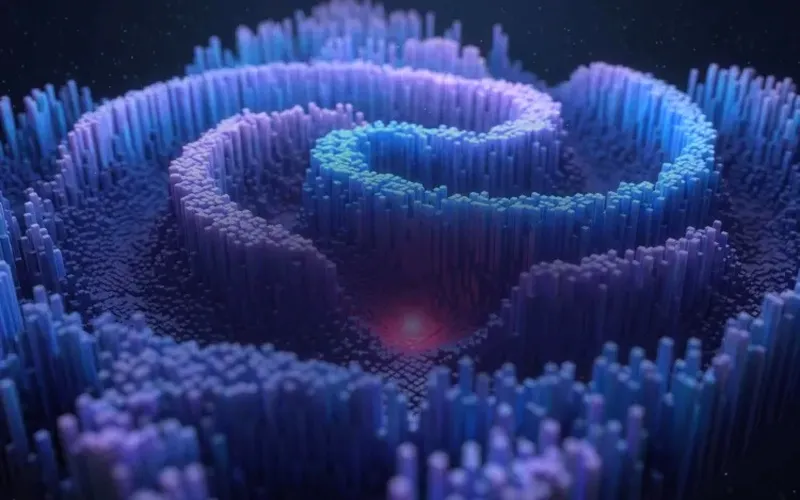
Google’s DeepMind lab has launched its artificial intelligence-powered Atlas platform that should help scientists unravel the mysteries of the human genome. Developers say Atlas will transform current understanding of biology, accelerate scientific research and pave the way for new treatments for disease. The researchers claim that the proposed platform contains “Predictive map of every possible DNA change in the human genome”.
Image source: Google
The DNA macromolecule is composed of two nucleotide chains formed by four nitrogenous bases: adenine (A), guanine (G), thymine (T), and cytosine (C). The bases of one chain are connected to the bases of the other chain through paired bonds according to the principle of complementarity: adenine is connected only to thymine, and guanine is connected only to cytosine.

Image source: Wikipedia
The human genome contains approximately 3 billion such pairs, the total genetic material contained in human cells. Variations in individual combinations may be harmless, contribute to differences between individuals, or play a role in the development of disease. A major challenge for genome researchers is figuring out what effect each of the approximately 9 billion potential single-base substitutions will have.
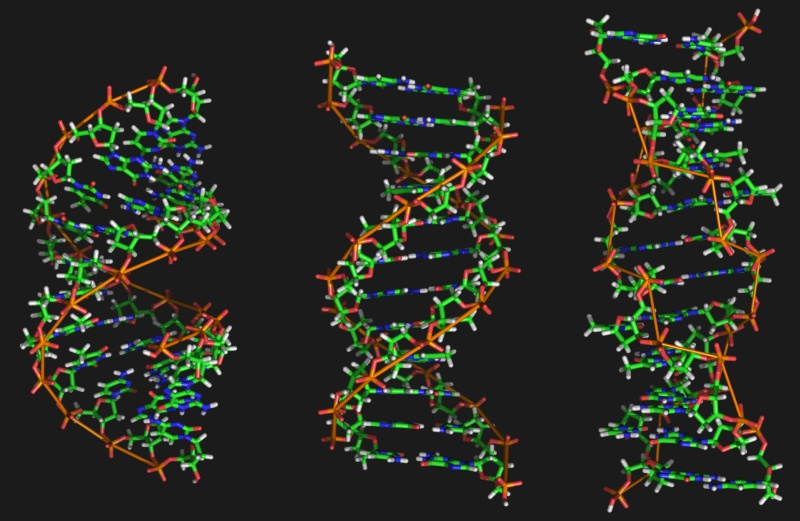
Image source: Wikipedia
The Atlas platform includes predictions of how each of those 9 billion variants affects the body at the molecular level, such as changing the amount of a certain protein produced. Researchers call it “The most comprehensive catalog of how genetic mutations affect molecular biology”. The platform can be accessed through the portal, using the Antigravity AI agent, and AlphaGenome’s own interface.
To help researchers sort through the billions of possible variants and focus on those that deserve closer attention, Google has also released what it calls a variant impact score, which uses other models from the company to predict the impact of DNA changes. According to the company, “Researchers can now quickly rank variants and simultaneously interpret their molecular effects”.
The Atlas project is based on AlphaGenome, an artificial intelligence model DeepMind launched last year to help scientists identify genetic factors that cause disease, and AlphaMissence, an early tool focused on predicting how mutations change proteins. Atlas goes a step further, extending its predictions to the entire genome, including the vast majority of regions that do not directly code for proteins but may control gene behavior.
Image source: unsplash.com
AlphaGenome was trained using publicly available human and mouse genome repositories, allowing it to identify patterns between DNA changes and biological processes. Applying these predictions to billions of possibilities yields a massive data set that Google says is about 1 petabyte in size. Starting today, the company will make Atlas available for non-commercial use through its website, and a commercial version should be available on Google Cloud soon.
Atlas is Google’s latest attempt to use artificial intelligence to solve key problems in science and medicine. The company’s most notable work in this area is AlphaFold, a protein structure prediction model whose creators, Demis Hassabis and John Jumper, won the 2024 Nobel Prize in Chemistry. The company also develops artificial intelligence tools for weather forecasting, optimizes the search for new solutions in computing and mathematics, and assists researchers with artificial intelligence agents.
If you find an error, select it with your mouse and press CTRL+ENTER.