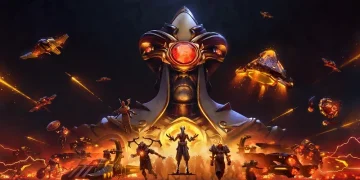


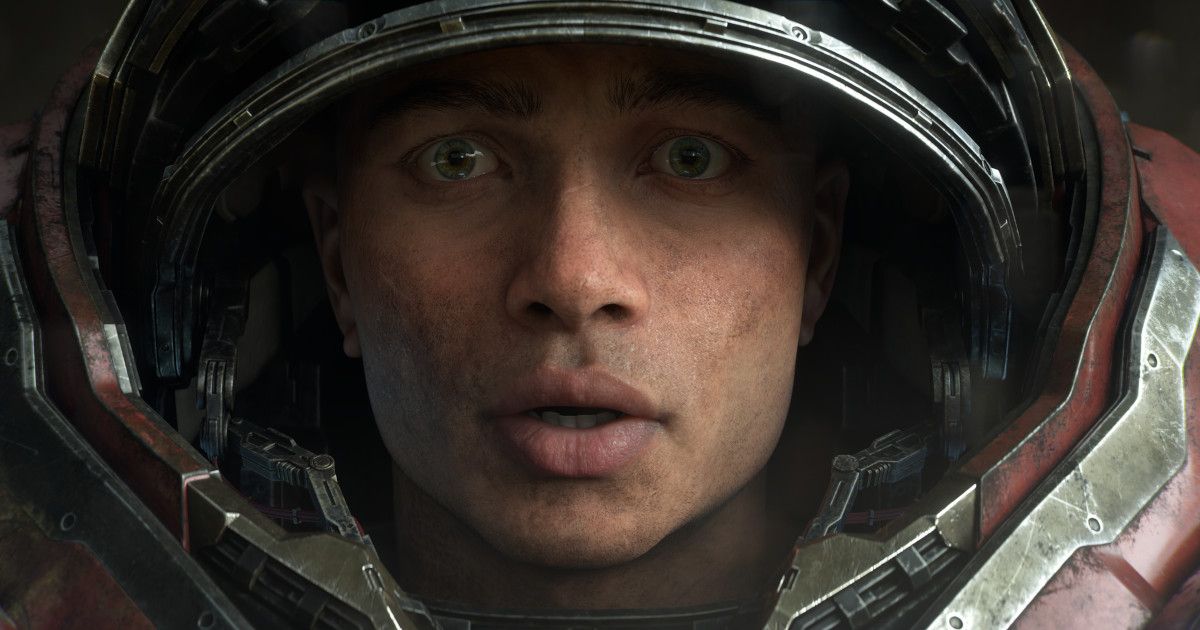
Announced to launch in 2030, this open-world shooter set in the StarCraft universe does not have the instant service mechanics that are common in today’s triple-A games. Game director Dan Hay made it clear in a recent interview that the project was never designed as a seasonal game. Instead, development under the guidance of former Far Cry managers relied on classic boxed product models and a full story campaign. As such, the game clearly differentiates itself from Blizzard’s other multiplayer brands and services. Additionally, the story takes place 70 years after the events of StarCraft II, giving the team the freedom to create new characters and locations.

Dan Hay said the focus of development is on a clearly structured, story-driven personal experience. Players initially create their characters and follow their personal progression through a storyline that, according to the developers, has a clear beginning, middle, and narrative end.
In addition to main missions with narrative consequences, the game world also offers exploration incentives as well as side activities through which game characters can be specifically upgraded before embarking on particularly difficult missions. The project does not currently plan a stable rotation of seasons, battle passes, or weekly content.
The 70-year time interval between “StarCraft 2: Legacy of the Void” and the ending is a conscious liberation in narrative design. This temporal distance allows the studio to re-enact the familiar core conflict between Terrans, Zerg, and Protoss in an entirely new setting, without being constrained by the established storylines of well-known series characters.
The clarification regarding the format clears up any remaining speculation that arose after the first trailer was released. The visual design of the preview video reminded some of the Helldivers-style team-based shooter community. Focusing on a traditional single-player experience, Blizzard positioned the game as an indie adventure set in a sci-fi universe.