

global Activity Creating thousands of massive data centers for artificial intelligence will trigger a “tsunami” of discarded electronics, resulting in annual production of toxic electronics waste It will triple in the next 25 years. According to a report by the environmental organization Basel Action Network (BAN), these wastes contain toxic substances such as lead, mercury, cadmium, and valuable metals. There is currently no global plan to deal with these wastes.

Image source: unsplash.com
According to BAN, the United States plans to build 4,871 new data centers, most of which are intended for artificial intelligence purposes. A BAN spokesperson said that artificial intelligence will produce enough electronic waste in the next 25 years to fill a container and circle the earth six times. “E-waste has become the fastest-growing waste stream on Earth, with only one fifth of it being properly disposed of.”” said BAN co-founder Jim Puckett.
“In the United States, we do a terrible job with e-waste.“Said Vince Beiser, author of “Power Metal”.—— Some of the trash is thrown abroad. Much of it is simply dumped directly into landfills, which is a problem because the waste releases all kinds of harmful substances into water and soil. ” In his book, Bessel details the global issues associated with extracting precious metals from electronics.
The BAN report estimates the amount of e-waste associated with computer servers used for artificial intelligence, and “Thousands of tons of copper, steel and concrete” Used in cooling systems, power supplies and network equipment. Analysts predict that by 2030, computing power will increase by 100 gigawatts. Based on these predictions, the approximate weight of the equipment required was calculated, including computer server racks weighing 1,360 kilograms each, switches weighing up to 30 kilograms, and hundreds of kilograms of copper cables connecting each rack.
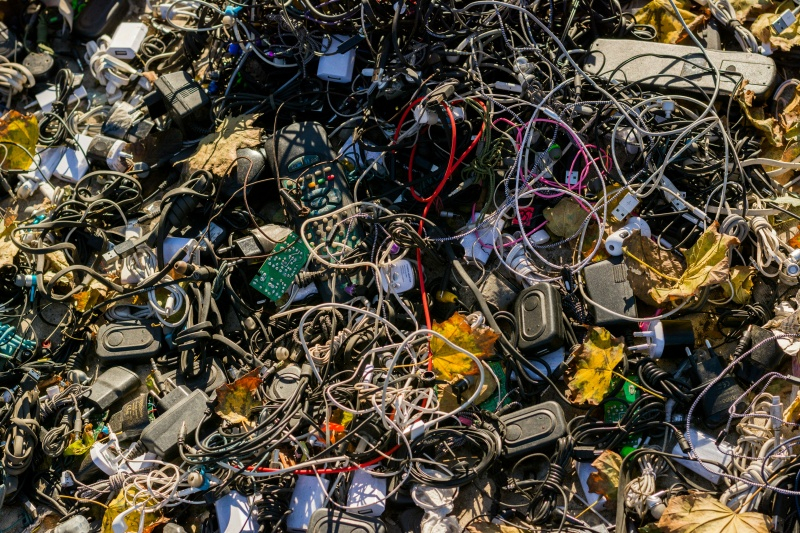
Such equipment is not repairable and reusable and needs to be completely replaced every two to five years. The BAN report predicts that by 2030, up to 13 million tons of waste will be generated each year due to the retirement of artificial intelligence equipment. In addition, the development of artificial intelligence is expected to lead to faster replacement of consumer computers, mobile phones and telecommunications equipment due to the computing requirements of new systems.
Last week, a group of environmental and health experts called on the federal government to commit to protecting public health from the development of artificial intelligence. They cited estimates that air pollution from data center power generation could lead to hundreds of thousands of new asthma cases and as many as 1,300 premature deaths each year in the United States alone.

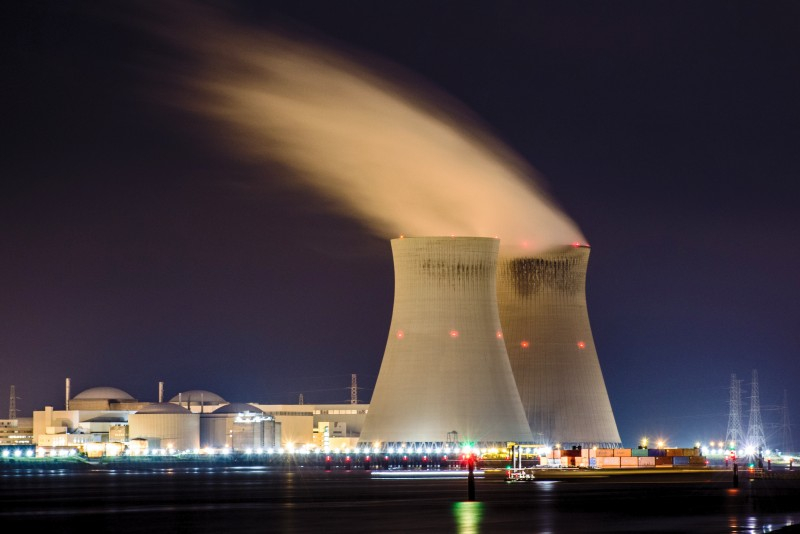
McKinsey & Company predicts that the technology industry’s planned adoption of artificial intelligence will require nearly $7 trillion in global capital expenditures for data center construction over the next five years. The BAN report notes that these unprecedented costs “It’s roughly equivalent to the cost of eradicating world hunger over the next 75 years, and it could be spent in just five years.”
“We all find ourselves unknowingly participating in the artificial intelligence race, – The authors of the BAN report concluded, – Because IT users are using artificial intelligence everywhere whether they want to or not, almost always without realizing the larger implications. “
If you find an error, select it with your mouse and press CTRL+ENTER.