


Experts at all levels have repeatedly pointed out that small smartphone and PC manufacturers will be hit harder by the shortage of memory chips than their larger competitors. Giants like Apple and Samsung will be more likely to survive if they can wait out the crisis in the high-end market. Small manufacturers must come up with new ways to survive the chronic shortage of memory.
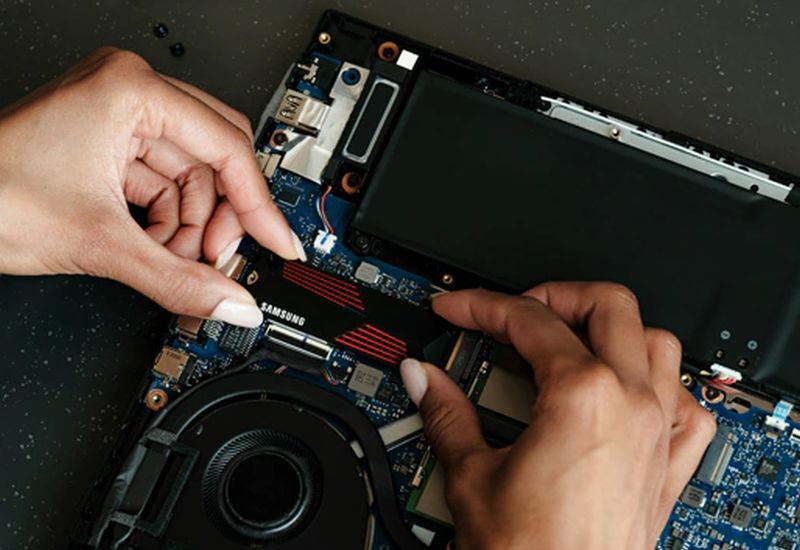
Image source: Samsung Electronics
Interviewed Reuters Makers of small smartphones and PCs agree that relief won’t come until 2028, and that the main problem now is still the inability to buy memory, rather than high prices. Management at Fairphone, a Dutch company that makes more maintainable smartphones, claims that if it can’t buy memory, electronic equipment manufacturers will effectively be “out of business.” According to Counterpoint Research, the smartphone market will shrink by up to 13.9% this year, with the entry price range being the most affected.
According to TrendForce estimates, DRAM contracts will rise by 13-18% this quarter, but considering the doubled increase in the first quarter, the increase does not seem to be large. Finnish smartphone maker Jolla, founded by Nokia people, reported that the DRAM and NAND memory chipsets used to make the devices hit their highest prices in March and have not changed since then, much to the delight of manufacturers who fear the sets will double in price by this fall. Jolla representatives also believe that the situation in the memory market will not normalize until 2028.
Modular notebook computer framework manufacturers are forced to place orders in advance to supply memory, without even information on prices or the exact timing of contracts and the quantity of products supplied. Jolla had to develop two motherboard options for its smartphones that would allow for two different memory chip layouts, and a framework that would allow its laptop buyers to replace the memory on older computers.
Additionally, Jolla must carefully test each batch of memory wafers because, in fact, it does not receive previously used relabeled wafers under the guise of new memory. This type of abuse by suppliers in the face of high prices is becoming increasingly common.
The cost of purchasing memory can reach 60% of the cost of a smartphone in the price range of around $400. Equipment manufacturers are passing on rising costs to consumers at varying rates, as each manufacturer bases its financial situation and marketing considerations on its own.
If you find an error, select it with your mouse and press CTRL+ENTER.