
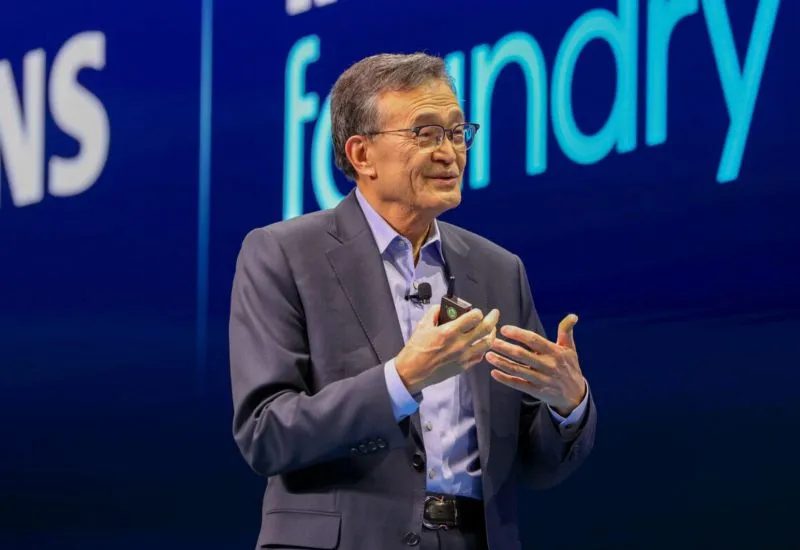
As part of Splunk Broadcast, Intel CEO Lip-Bu Tan pointed to the possibility of further worsening of the memory shortage and price increases, acknowledging that the company is currently unable to meet more than 50% of demand for its processors.
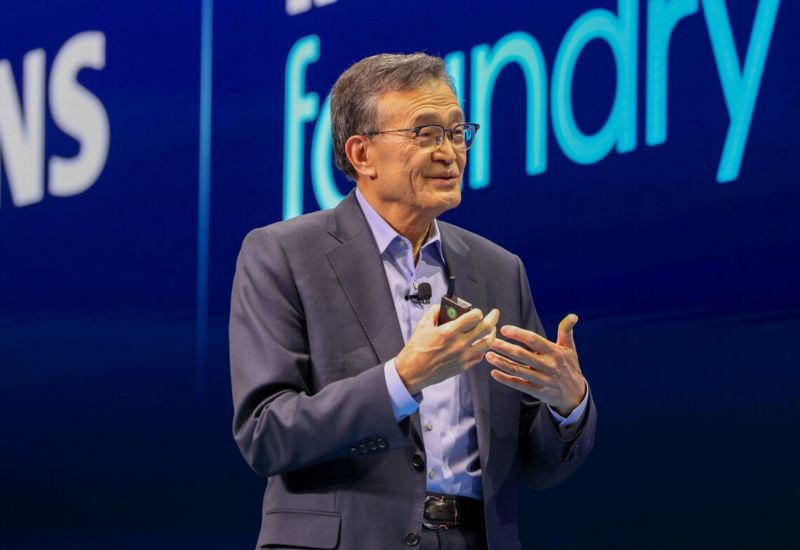
Image source: Intel
as mentioned before daily newsThe head of Intel recalled that he warned of the memory shortage early last year and now it has fully become a reality. Many companies have been forced to postpone projects because they cannot obtain the required number of memory chips. Memory prices have increased five to seven times, and Intel chiefs don’t expect the situation to improve until 2028. In addition, the industry is facing a shortage of cooling systems, and the construction of data centers has been delayed due to lack of power. Intel itself is trying to solve at least the first problem by investing in the development of liquid cooling systems, including those based on microcirculation principles.
Tan said the artificial intelligence industry’s shift toward emphasizing inference has created the right conditions for growth in demand for the brand’s central processors, but they are still in short supply. Tan said the CPU is also needed for GPU control, applications and general-purpose computing.
resource Notebook check By the way, on October 5, Intel will raise the price of PC processors for the third time since the end of last year, this time with an average increase of 10%. Prices rose in the same way in the first quarter of this year, and in July, the price increases affected some chip models for PCs and servers, with increases potentially reaching $1,000 or more in the latter case, sources said.
Intel sees its advanced technology chip packaging services as an important growth point, but it has also complained about shortages of consumables and components such as wafers. Only four companies supply the latter, two each in Taiwan and Japan, and now Intel must pay upfront to get some kind of first dibs on its products. At the same time, there is still room for improvement in its quality. For example, in the production of EMIB packaging substrates, Japanese suppliers have a yield level of about 45%, but plan to increase it to 55% by January next year.
Lip-Bu Tan also said that Intel will start producing products using advanced 14A process technology in the first quarter of 2027. In the case of the 18A process, the yield level increases by 7% per year.
If you find an error, select it with your mouse and press CTRL+ENTER.