

Shortly after Tesla launched its Cybercab robotaxi service in the Texas capital, which has no steering wheel, pedals or mirrors, regulators at the National Highway Traffic Safety Administration (NHTSA) raised questions about the legality of operating such vehicles in the United States. Now, they have set out a specific requirement that could expose the company to a fine of up to $139 million if it fails to comply by September 30.
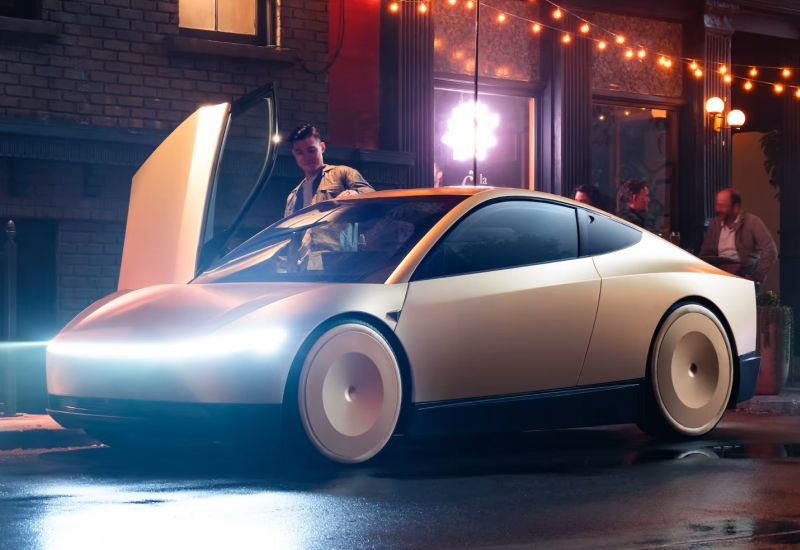
Image source: Tesla
as explained erektrekAs early as September 10, the NHTSA agency responsible for U.S. road safety issued an order requiring Tesla to certify under oath that the Cybercab vehicle, which does not have pedals, rearview mirrors and steering wheels, actually meets the current U.S. safety standards for driver-operated vehicles. The company has until September 30 to provide complete, truthful answers; if it fails to do so, it faces fines of up to $139 million.
Prior approval from NHTSA is not required to approve a vehicle on U.S. public roads, but it is understood that the agency can inspect new products already on the market to ensure compliance with all national safety standards. Tesla claims that the Cybercab meets these standards, but the problem is that they are designed for driver-controlled vehicles. Tesla robotaxis are not technically designed for human driving, although the software interface does have the ability to maneuver into parking lots and charging stations on human command. NHTSA questioned the validity of the vehicle’s certification as meeting safety standards for human-driven vehicles, given the specific circumstances of the vehicle.
In addition, U.S. vehicle safety standards require that the service brake be applied by the driver’s foot. Although NHTSA itself has proposed changes to the legal requirements for vehicles with automatic control systems, the corresponding changes have not yet been formally approved. That means regulators may have questions about Tesla because it somehow bypassed the requirement when certifying its online taxis as safe.
U.S. standards prohibit the following vehicles from operating on public roads permanent operation Steering wheel, mirrors, brake and accelerator pedals, and warning lights, including blinkers. However, for some robotaxi manufacturers, U.S. regulators are ready to make exceptions to many requirements, but Tesla has not yet been able to achieve such relaxations. Zoox, for example, managed to get such benefits, but they’re only valid until 2028, and it won’t be able to put more than 2,500 self-driving taxis on U.S. roads every year. If Tesla is found to have provided false information in its response to NHTSA, the official who signed the response could face up to 15 years in prison, not to mention a fine of up to $139 million.
If you find an error, select it with your mouse and press CTRL+ENTER.