
Microsoft’s plan to “digitize” game discs for the Xbox game console began 15 years ago. Now, it’s an important part of Xbox’s efforts to preserve its gaming legacy. The news was reported by The Verge reporter Tom Warren, who spoke with sources familiar with the company’s plans.
Image source: unsplash.com
The Xbox Disc to Digital program covers games on Xbox One and Xbox Series X/S, allowing owners of physical copies of games to access digital versions of their games. Microsoft had been thinking about and even partially implementing this idea in some form even before the launch of the Xbox One console in 2013, when it made the crucial decision to assign unique identification numbers to disks. In 2011, Microsoft was exploring the concept of full ownership of digital copies of Xbox games, sources familiar with the company’s plans said. These include opportunities to give away digital games, resell digital games, and exchange physical discs for digital copies at retail stores. Some of those original plans for the Xbox One are still leaked, but many others have remained shrouded in secrecy for more than a decade since.

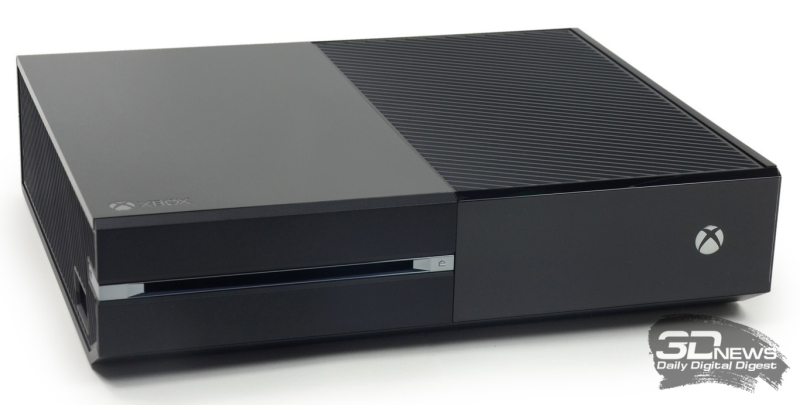
The launch of Xbox One hinted at our attempts to implement some of these ideas. The console was originally intended to be permanently connected to the Internet, enabling Microsoft’s vision for digital game sharing and other features. However, the company failed to clearly communicate the details of this vision to its audience and abandoned those plans amid outrage over what was initially misunderstood as the requirement for an always-on network connection. In fact, the console only requires an Internet connection for initial setup, receiving updates and patches, and downloading digital versions of games. However, some of these early digital ideas are now starting to come to fruition, albeit in different forms.
Microsoft decided to actually embed the serial number into the disc for the Xbox console to read, thus introducing the ability to convert the disc into a digital copy. Now, you can simply insert the physical Xbox One disc into the drive to get the digital version. A decision made 15 years ago now brings this useful feature and will likely form the basis for the transition to full digital game ownership in the coming years.
Sony itself can’t simply replicate this approach. Unless the PlayStation maker has been secretly adding extra metadata to its discs for years, it has to find another way to help PS5 owners bring their physical collections into the digital age.
Microsoft is thinking ahead: Instead of specific disc-conversion capabilities, the company is thinking about the need to identify media in order to prepare for the transition of console games to fully digital formats. This era is coming. Sony has announced that it will phase out PlayStation discs in 2028. Both companies have released versions of their consoles without disc drives, and sales statistics show that most games today are purchased in digital format.
It’s likely that Microsoft will follow Sony’s lead and eventually abandon Xbox discs, especially given the steady decline in the number of licensed manufacturers capable of producing physical media. This is largely because virtually all other types of media content, from music to movies, have moved away from optical discs. When it comes to Xbox, however, there’s one significant difference: Microsoft has been very focused on preserving its gaming legacy.

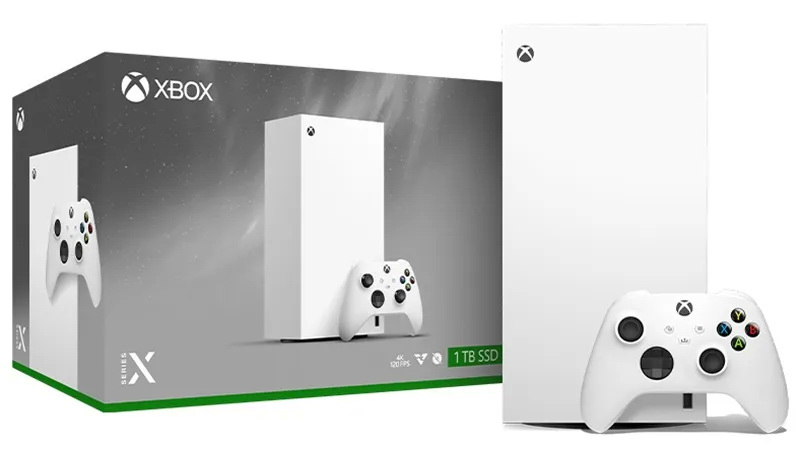
Image source: Xbox
In addition to plans to launch “digital” physical copies of games this year, Microsoft has also begun working on porting games from the first-generation Xbox and Xbox 360 to PC. Additionally, the company has been working on a backwards compatibility program for years to ensure that as many Xbox and Xbox 360-era games as possible can run on modern Xbox consoles. Additionally, preserving gaming heritage is a key element of Project Helix, Microsoft’s new generation console, which will be able to run all games released on the Xbox platform.
The task of saving video games is not an easy one. It is necessary to overcome complex technical hurdles, resolve licensing issues, and consider the commercial interests of publishers who determine the rules for selling games. Due to technical issues, the new disc-to-digital feature may not work with all Xbox One discs. For example, some early optical discs did not record unique identification numbers at all. Microsoft warns its internal Xbox testers: “It all depends on how and when the disc was made. It may not have the features the program needs to run.”. Slightly damaged disks may also be unsuitable for this feature, although they may function fine in normal mode. Incidentally, this is another reason why it’s important to preserve gaming heritage – over time, physical media becomes unusable, but digital media can remain timeless.
Licensing is an equally complex issue. Publishers need to agree to the transition from physical to digital media to disc to digital, and some publishers may be slow to make this decision. However, it turns out that most companies support the measure. Recently, even Ubisoft projects have started showing up in the supported games catalog. The list of supported games continues to grow, and Microsoft makes it clear that this is just the beginning.
Beyond the transition from disk to digital, the next task is to address the issue of full ownership of digital content. Fifteen years ago, Microsoft envisioned a future where users would truly own digital products, and gradually turned this idea into a reality.
If you find an error, select it with your mouse and press CTRL+ENTER.