
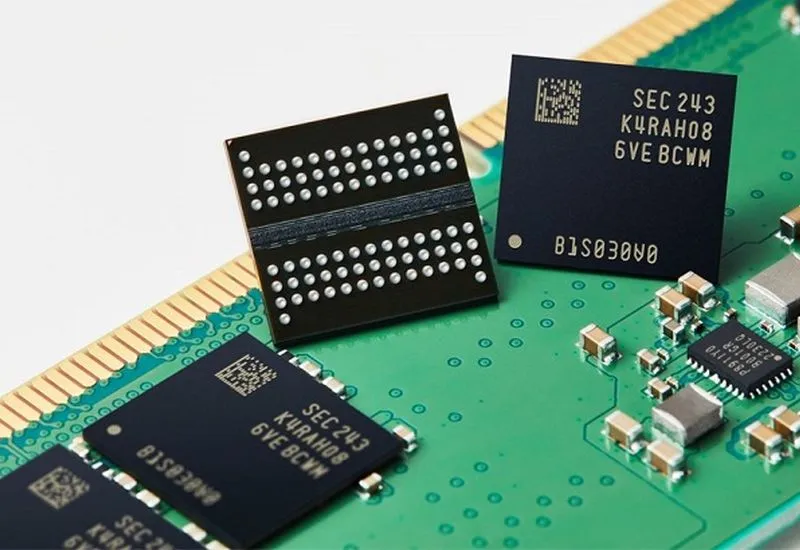
The DRAM market is in crisis precisely because players are eager to produce more expensive and more popular HBMs, while less and less space and resources are allocated to the production of DDR5 and DDR4. Samsung Electronics is now asking its partners to allocate more capacity to produce off-the-shelf DDR5 modules because it itself does not have enough available space.
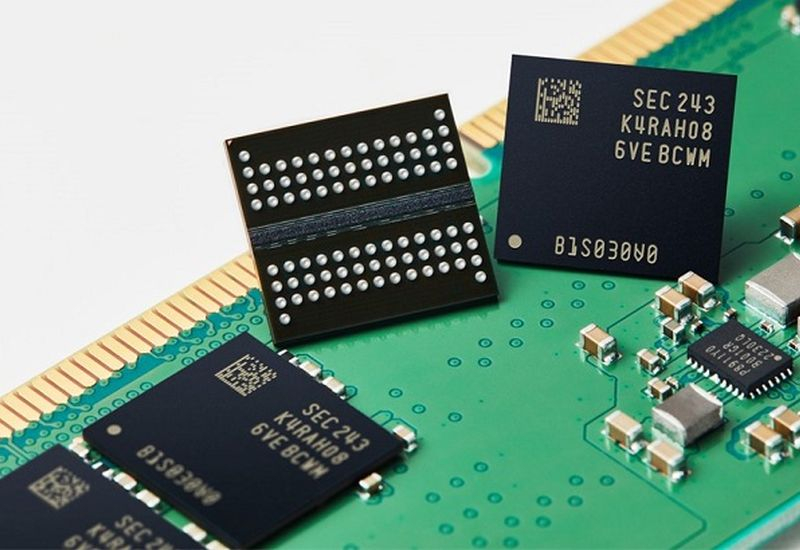
Image source: Samsung Electronics
as mentioned before electric power companySimilar requirements have affected solid-state drive (SSD) manufacturers, which Samsung has historically offered under its own brand. To increase production of DDR5 and SSD modules, the company was forced to rely on its contractors instead of itself. Its wafer testing and packaging facilities in Cheonan and Ongyang are being upgraded simply to increase testing and packaging of HBM and other advanced wafers. The growth in DDR5 memory module production will be ensured thanks to the dedicated efforts of third-party companies working with Samsung Electronics.
This move cannot be called a new one, as it is reported that Samsung has been conducting relevant negotiations with partners since June last year. This year, she even asked her partners to speed up the construction of specialized production lines. The company will start building a new factory in Wengyang this year, but it will take several years to complete. In northern Vietnam, Samsung will also have a wafer testing and packaging factory that will specialize in the production of non-state-of-the-art products such as DDR4, LPDDR4, NAND and UFS for memory cards. However, the company’s own finished memory module production capacity won’t expand much in the coming years.
Dreamtech, one of Samsung’s contractors for producing memory modules, is actively expanding its production capacity in India. The company started producing DDR5 memory modules locally in the South Asian country as early as November last year. In June this year, the Samsung contractor decided to retool one of its Indian factories that previously produced smartphone printed circuit boards to produce memory modules. The main part of its equipment refresh work will be completed this month, after which it will begin to increase the production of memory modules. It is planned to produce more than 50 million pieces of such products every year.
Hanyang Digitech is improving the efficiency of its memory module manufacturing plant in Vietnam. In the first half of this year, $22.7 million was invested in new equipment and technology process automation. SFA Semicon is shipping equipment previously used by Samsung at its Onyang factory to its Philippines factory. The latter will start producing memory modules in November this year and will further expand production capacity in the second quarter of next year. The company’s Korean factory is responsible for packaging FBGA memory chips, which are then mounted on memory modules in the Philippines.
If you find an error, select it with your mouse and press CTRL+ENTER.