
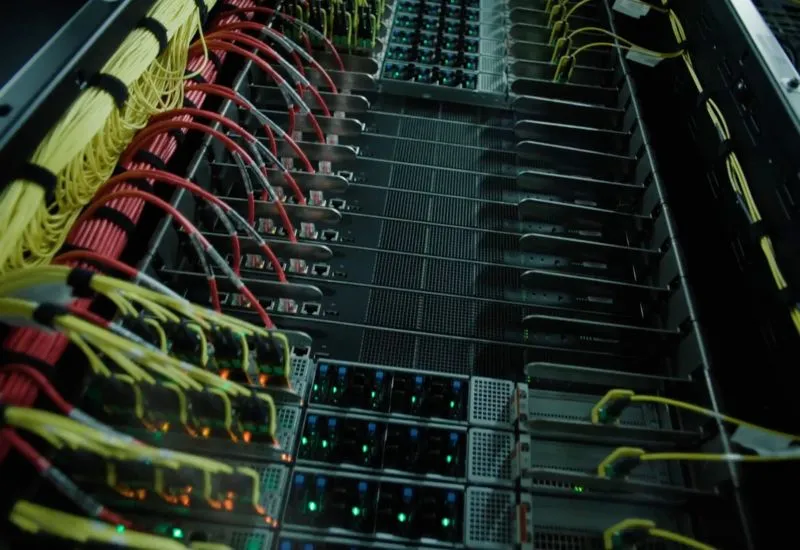
After the announcement of Stargate, which would allocate $500 billion over four years to build artificial intelligence data centers in the United States, OpenAI tried to “not waste time on small things” in reaching capacity leasing deals. But new data centers aren’t coming online as quickly as the AI giants would like, which is why Anthropic and OpenAI are starting to favor the idea of smaller deals.
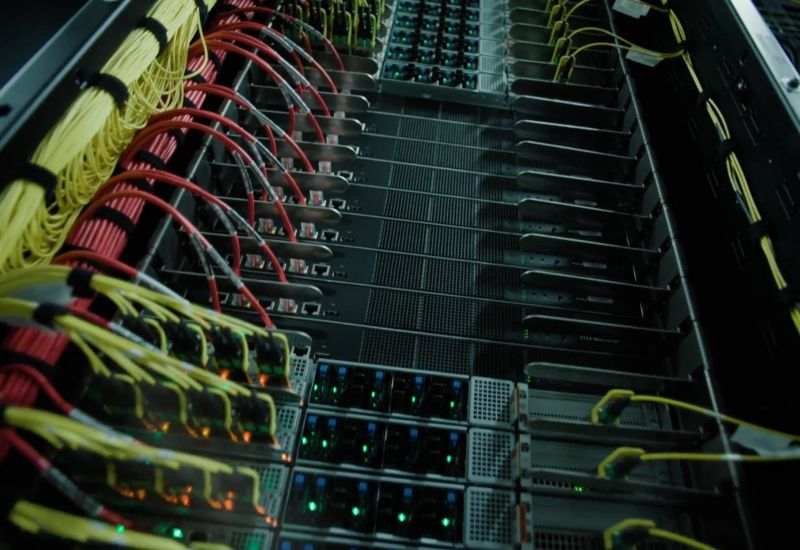
Image source: OpenAI
This matter was reported CNBC Sources familiar with the plans of these artificial intelligence startups. As they explain, the logic of the policy change lies precisely in the speed of computing power expansion. Smaller data center projects are generally faster and easier to obtain funding. Leading U.S. artificial intelligence startups are now seeking to secure 20-30 MW data center access deals. In the eyes of these customers, the gigawatt scale of the project is no longer a guarantee of its attractiveness.
Anthropic has expressed interest in entering into agreements with similarly sized data center operators in the UK and Scandinavia. OpenAI is also looking for new partners in the latter region. Additionally, neither company has ruled out the possibility of building smaller data centers in the United States. OpenAI representatives did not comment on specific agreements with partners when interviewed by CNBC, but stressed that different types of computing workloads require different types of infrastructure. Anthropic declined to comment on these rumors at all.
The situation for gigawatt center construction is complicated not only by a lack of energy and land, but also by protests from local residents that are gaining momentum in the United States. Not only do these facilities depress surrounding residents due to the constant noise from the data center cooling systems, they also lead to higher electricity prices and, in some cases, negatively impact water supply conditions. Not only are small data centers faster to build, they also face less friction.
Moreover, the needs of the AI industry itself are also changing. If the previous focus was on training large language models, now the focus is shifting to inference, and the corresponding computational load can already be provided using smaller data centers. According to predictions by real estate agency JLL, by 2027, the share of data centers serving inference tasks will be higher than the share of computing power used to train artificial intelligence models. By comparison, by 2025, in the first scenario, this proportion will reach 9% of all data centers, and in the second scenario, this proportion will reach 14%. By 2030, bias in inference will almost triple: 37% versus 13% in training.
NVIDIA’s February data center push will focus mainly on small projects. The US company Crusoe, which successfully built a giant data center for OpenAI in Texas, is now using a smaller such facility, The Wall Street Journal reported this week. Activity in the Neocloud space has seen Crusoe recently attract $3.9 billion in investment, giving a total capital valuation of $30.9 billion, taking into account the amounts shown. If the trend toward smaller data centers continues, there will be many ambitious players in this segment.
If you find an error, select it with your mouse and press CTRL+ENTER.