
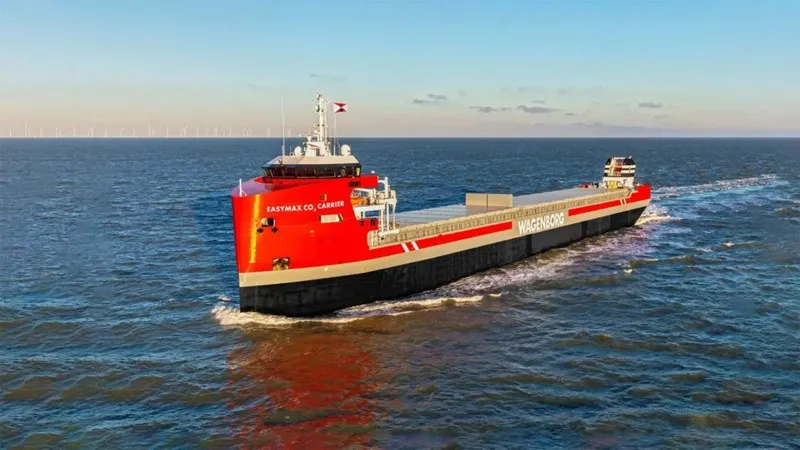
Born on September 18, 2026 in Esbjerg, Denmark Open The first industrial system in the EU to capture, transport and permanently store CO2 underground. The Greensand Future program is implemented by a consortium of INEOS Energy, Harbor Energy and the Danish state Nordsøfonden, with the support of a €41 million EU grant. In the first phase, the complex is designed to emit 400,000 tons of carbon dioxide per year and can process approximately 2.4 million tons of natural gas within eight years.
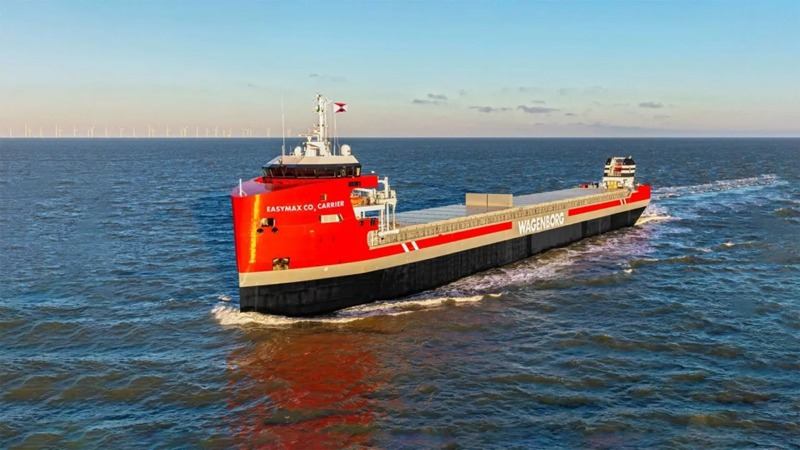
Image source: INEOS Energy
When launched, the chain relied on the collection and storage of carbon dioxide produced by biomethane production in Denmark and other European countries. The gas produced is liquefied, then transported to a special terminal in the Port of Esbjerg and temporarily stored in storage tanks. The liquid carbon dioxide is then transferred to the purpose-built vessel Carbon Destroyer 1 and transported to the Nini oil platform in the North Sea, some 250 kilometers away. The vessel itself is equipped with the cooling and pressure maintenance systems needed to transport the carbon dioxide2 in a liquefied state. It is the first ship of its kind in the world. It launches in May 2025.
In the final stage CO2 Water is injected approximately 1,800 meters below the sea floor into the depleted Nini West oil reservoir. We are talking about a geological formation that retains hydrocarbons for millions of years, so the site is considered a natural sealed reservoir for long-term storage of carbon dioxide. In 2023, a pilot version of Greensand has already demonstrated the ability to transport CO22 Crossed national borders into the EU and pumped into offshore storage. Current projects are transforming this technology chain from demonstration to industrialization.

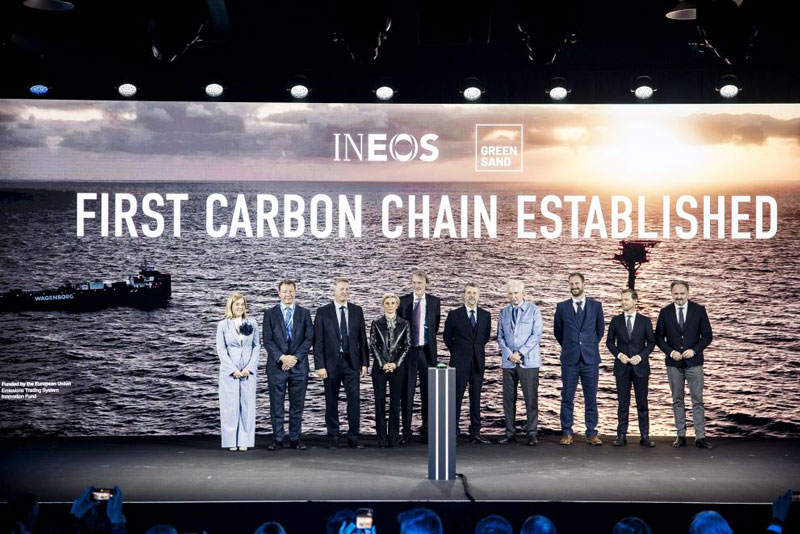
In the future, the project is expected to increase carbon dioxide production capacity to 4-8 million tons2 Every year new sources of carbon dioxide are connected. To achieve this, the project has provided for the expansion of onshore and offshore infrastructure. Therefore, the basic feature of Greensand is not just the presence of underground carbon dioxide storage (which is already implemented in many countries in Northern Europe and Australia), but the establishment of a complete chain – from the release of carbon dioxide2 and their liquefaction prior to offshore transport and injection into geological reservoirs. The consortium hopes to use this scalable model to build a pan-European CO2 transport and storage infrastructure.
If you find an error, select it with your mouse and press CTRL+ENTER.