
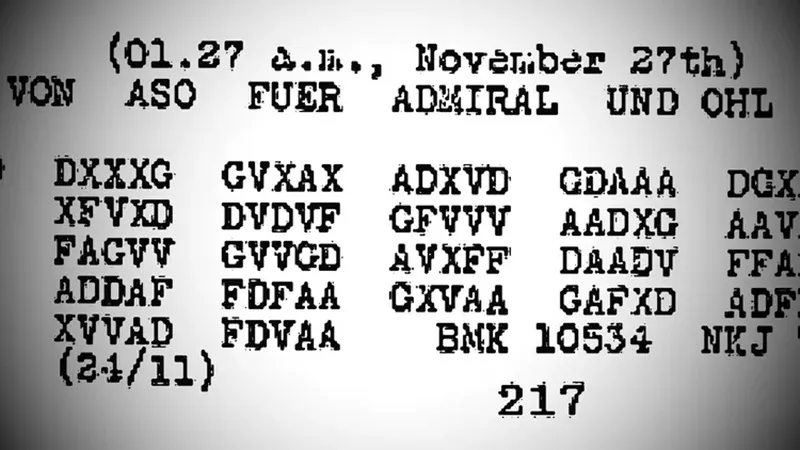
The ChatGPT-6 Astra AI model deciphered a 108-year-old message sent to the German High Command and attracted the attention of an admiral or possibly the naval command. It turned out that the message contained information about the activities of British cruisers and Allied squadrons near the Crimean Peninsula in November 1918.
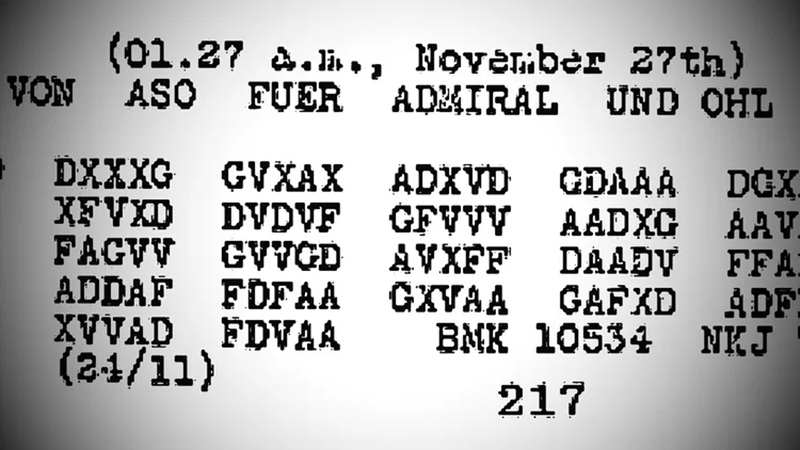
Image source: scienceblogs.de
Developer Prinz chose this message from the famous list of 50 unsolved passwords published by the German science blog portal Scienceblogs.de. It is understood that the text was encoded using the ADFGVX method. However, there has been no solution until now.
The encrypted message looks like nonsense. The German military at the time used complex sequences of letters that changed depending on the current keyword.
Astra decrypted the message using the single word TRUPPENVERSCHIEBUNG as the key. As a result, the message looked like this: EIN ENGLISCHER KREUZER EINLIEG X SEWASTOPOL X S4STEN X EIN GESCHWADER DER X ALLIERTEN FOLGT 26STEN
Astra also verified the information contained in the message through military archives. The date of the cruiser’s arrival is consistent with the arrival of the British cruiser HMS Canterbury at Sevastopol (Crimea) on 24 November 1918. Hence the “?” – this could be a typo that occurred during transmission. Furthermore, the date of arrival of the Allied squadron was correctly indicated (November 26).
GPT-Astra indicates that the message was previously unbreakable because codebreakers assumed that the word TRUPPENVERSCHIEBUNG was used as a key starting on December 9, 1918, and that the message was transmitted slightly earlier – November 29.
If you find an error, select it with your mouse and press CTRL+ENTER.