


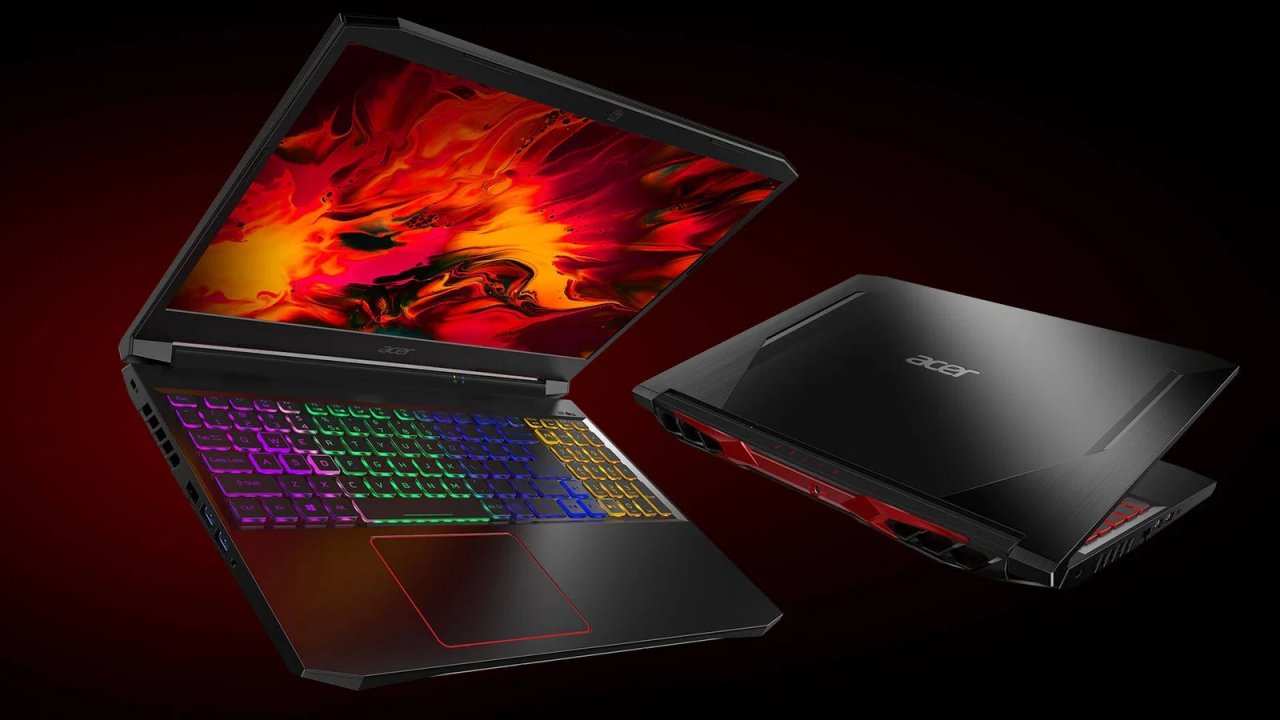
While other manufacturers predict the RAM crisis will last until 2030, Acer’s CEO believes they are emphasizing the duration of the shortage to be profitable, and he predicts the situation will improve.
this memory crisis Continuing to weigh on the market, buying a new computer is becoming increasingly expensive, with prices set to rise further in the coming months. The issue affects multiple areas, not just PCs but single components, many of which are used in many other products. For example, the smartphone market must also In response to increased costs.
But unlike other manufacturers, Acer CEO takes a more optimistic view on how long this situation will last And it is believed that the market may begin to turn around in the second half of 2027. Chen also believes that manufacturers’ emphasis on predictions of the duration of the memory shortage may be precisely the purpose of Keep profit margins high. Let’s take stock of the situation.
Will prices drop by the end of 2027?
While other manufacturers are decidedly more pessimistic, claiming that the RAM shortage could last for several years (at least until 2030), Acer’s CEO thinks things may start to improve Improvement during 2027. For example, ADATA President Chen Libai predicted that prices may remain high for a long time to come, while SK Hynix CEO speculated that supply may continue to be limited until 2030.
For those who don’t know, let’s do a quick refresher: DRAM prices surge. One of the main reasons is There is strong demand for the construction of artificial intelligence data centerswhich has prompted manufacturers to allocate more and more capacity to the memory needed by the industry.
SK Hynix CEO says memory crisis will last until 2030
However, this situation doesn’t only involve PCs. Increased costs of memory and other components are having an impact Also affects GPUs, SSDs, motherboards and other electronic devices. The phenomenon has become a chain: increases in component costs are gradually reflected in finished products, and manufacturers are forced to evaluate whether to absorb some of the increased costs or pass them on to consumers.
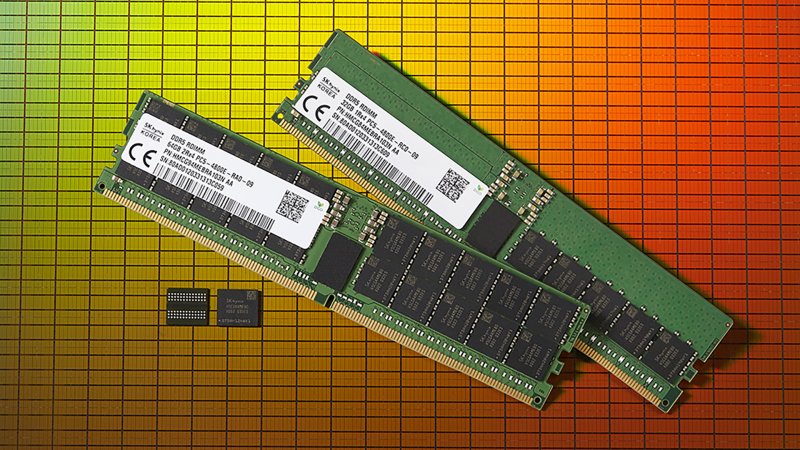
As we said, the smartphone market touches on this issue as well. In fact, memory is a significant component of production costs, and its dramatic increase may ultimately be reflected in the price of the device. Apple itself, after initially being able to rely on its own inventories of parts, has found itself having to face more complexities around costs and has reported increasing pressure on the prices of its products.
Expanding crisis?
Acer CEO said in an interview digital agethe problem will not necessarily persist into 2030 as some forecasts suggest. Chen thinks Major memory makers are interested in keeping profit margins high As a result, they underscored concerns that shortages will continue into 2030 and beyond. Regardless, forecasts for memory availability vary significantly from each other and also depend on investments in capacity and the evolution of demand related to artificial intelligence.
RAM crisis: Gigabyte opens up DDR5 memory supply to Chinese manufacturer Changxin Storage

Chen said the situation will also be particularly delicate for some high-end components, including High-performance DDR5 memory, such as LPDDR5X-9600as well as specific CPUs such as the Nvidia N1 and N1X. Acer expects further growth in PC market Price increases of 5% to 20% by the end of 2026. The situation should stabilize in the first half of 2027, before a trend reversal is likely in the second half. So if Acer’s predictions prove to be correct, 2026 could still be a problem for people looking to buy a new PC. However, things may start to improve in 2027.