

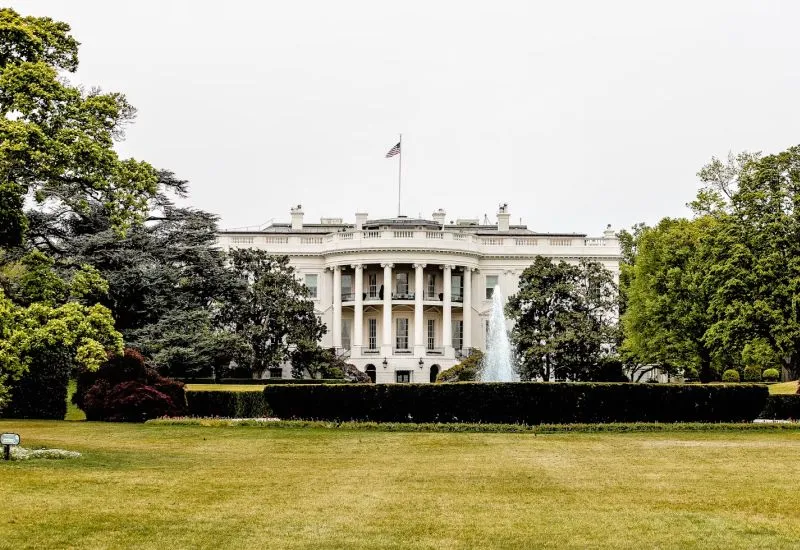
The work week ended with a government dinner held at the White House, attended by U.S. President Trump, Chinese leader Xi Jinping, and heads of several U.S. technology companies. After the event, it was clear that politicians were talking about AI safety, but they weren’t ready to make concrete policy statements.
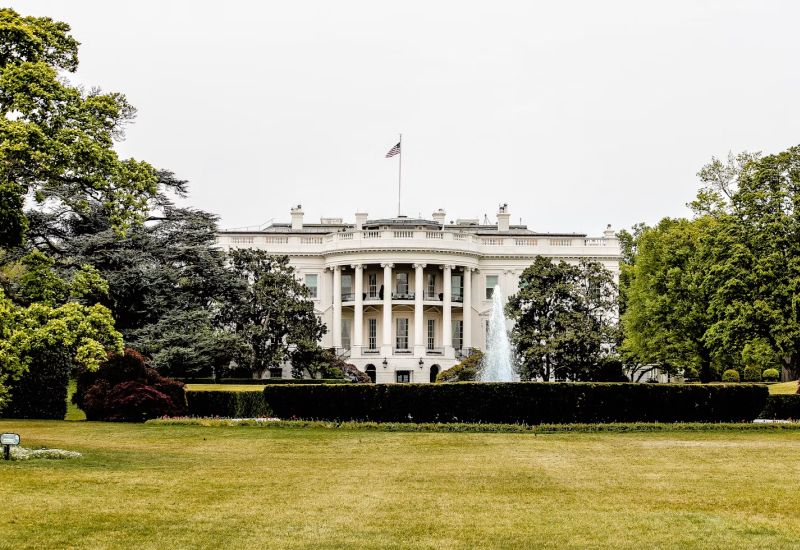
Image source: Unsplash, René DeAnda
In fact, as pointed out CNBCAfter the dinner, only the Chinese side prepared a press communiqué, and the US president posted a prediction for the event on the “Truth Social” social network on Thursday, writing: “Superintelligence will be an important topic of discussion, but I would leave it where it is. That’s China’s position as well.”.
China’s statement is more detailed, but at the same time relies more on describing the position of the country’s leaders: “Both sides can continue to have a dialogue on artificial intelligence, exchange views on its risks and benefits, and work together to prevent the harm and abuse of artificial intelligence. Artificial intelligence must always be under human control. Human leadership must be maintained, and the development of artificial intelligence must be directed toward positive and beneficial purposes and serve the progress of all mankind.”. The Chinese delegation briefly outlined Trump’s position and noted “He supports the idea of maintaining dialogue and deepening cooperation in the field of artificial intelligence.”.
Even before the meeting between US and Chinese leaders, US Treasury Secretary Scott Bessant held talks with Chinese Prime Minister He Lifeng to discuss the possibility of establishing a direct communication channel for the urgent exchange of information on serious security incidents. As noted earlier, a similar direct line of communication existed between the United States and the Soviet Union during the Cold War, helping to defuse the Cuban Missile Crisis. CNBC also added that the U.S. and Chinese authorities had previously issued separate statements clearly stating that they did not support the idea of voluntarily slowing down the development of artificial intelligence proposed by some representatives of the U.S. technology industry.
We must not forget that China and the United States also have conflicts in the field of artificial intelligence development, because the U.S. authorities have long tried to restrict Chinese developers from accessing advanced accelerated computing chips and cloud capabilities outside China, and the United States often accuses China of “refining” its own artificial intelligence models to narrow the gap with the United States. Whether the two sides can establish constructive interactions in the future will be revealed later. Representatives of the U.S. technology industry attended the White House dinner, including heads of companies such as Microsoft, OpenAI, Apple, Nvidia, AMD, and Meta✴ Platforms and Google founder Sergey Brin. Of course, none of this would be possible without Elon Musk.
If you find an error, select it with your mouse and press CTRL+ENTER.