

Modern interactive entertainment has become a part of daily life for millions of people, but sometimes this hobby can develop into a serious problem. Dr. Isabel Brandhorst, head of the specialized research group at the Tübingen Clinic, explains in detail the characteristics of digital addiction. The expert said that playing video games in itself does not pose a danger as long as it is consistent with daily life and does not replace sleep, study or immediate communication with friends.
However, this changes when a person loses the ability to control the time spent in front of a monitor. The World Health Organization has introduced a formal diagnosis of gaming addiction, which is confirmed by the onset of three key symptoms within a year. These include losing control of the process, crowding out all other life interests, and continuing with the course despite obvious impairment to health or learning.
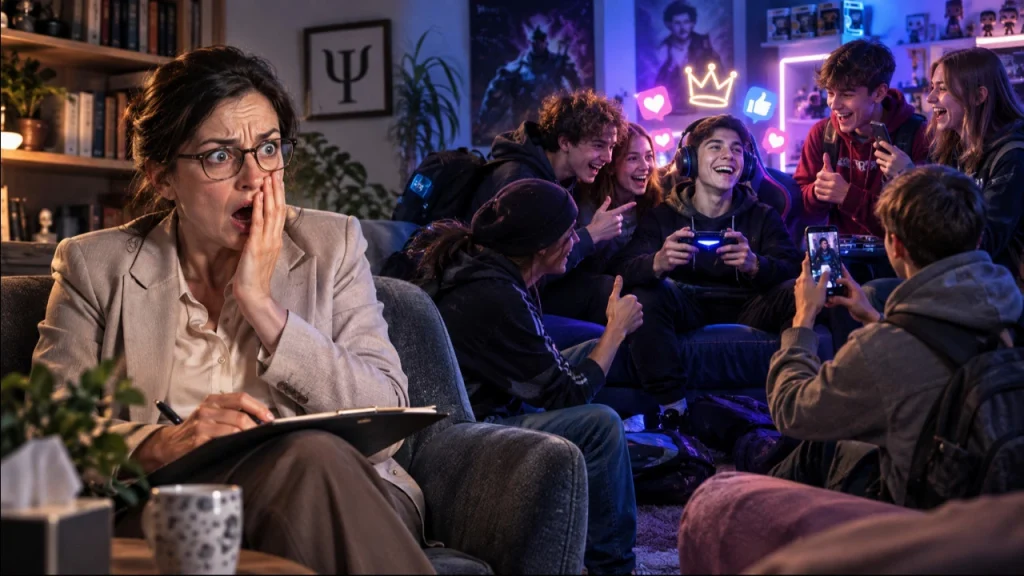
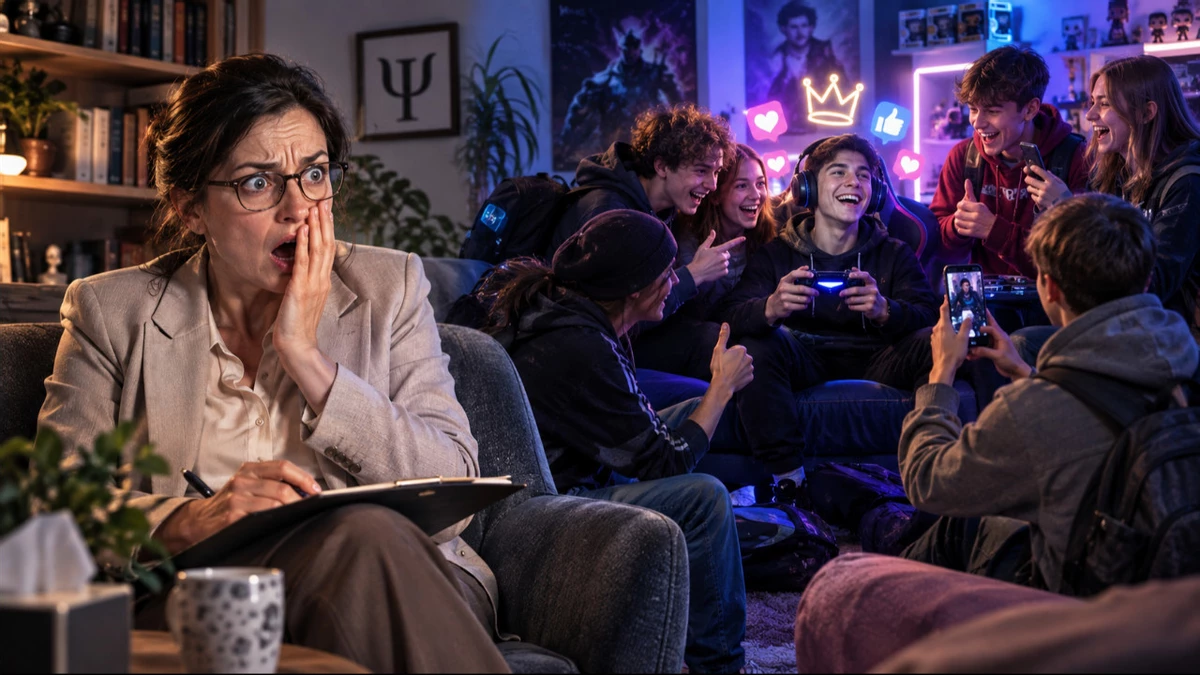
Many teenagers view sitting in front of a monitor for long periods of time not as a worrying symptom but as a reason for pride and a way to stand out among their peers. Schoolchildren readily point to the leading record holders for time spent in virtual worlds, while holders of honorary titles themselves happily flaunt their status as hopeless hermits. This pattern of behavior is an insidious psychological trap that is said to completely inhibit critical thinking and rob a person of the motivation to change their usual lifestyle.
The entertainment industry is actively using sophisticated engagement tools, including microtransactions and randomized reward systems, which increase emotional attachment to gameplay. Often, an excessive desire for virtual worlds is simply the result of deep psychological difficulties, stress, or melancholy and is a way for people to escape unpleasant reality. Prompt diagnosis and referral to specialized specialists can effectively address emerging diseases.