



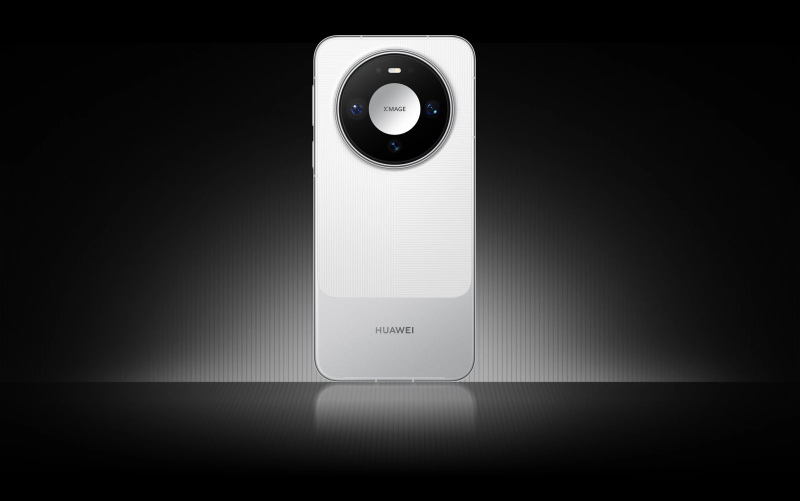
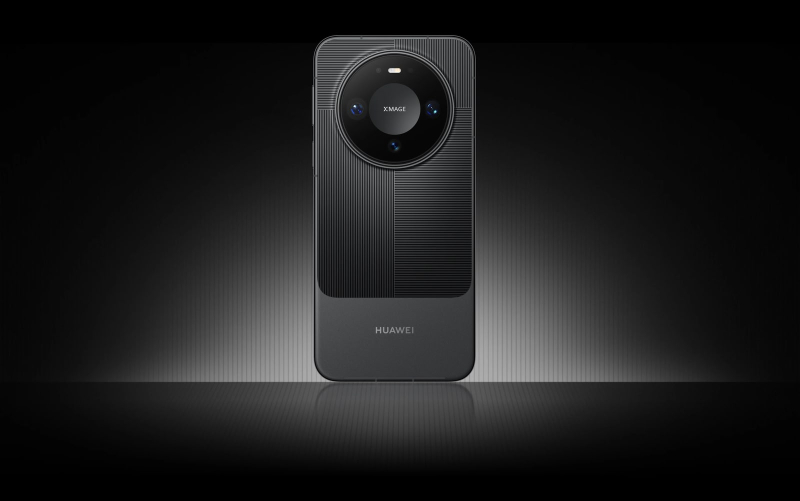
Huawei has launched its new flagship smartphone Mate 90 series with classic appearance. It includes the Mate 90 and Mate 90 Pro, Mate 90 RS and Mate 90 Pro Max models. All four devices use new technology developed by Huawei.
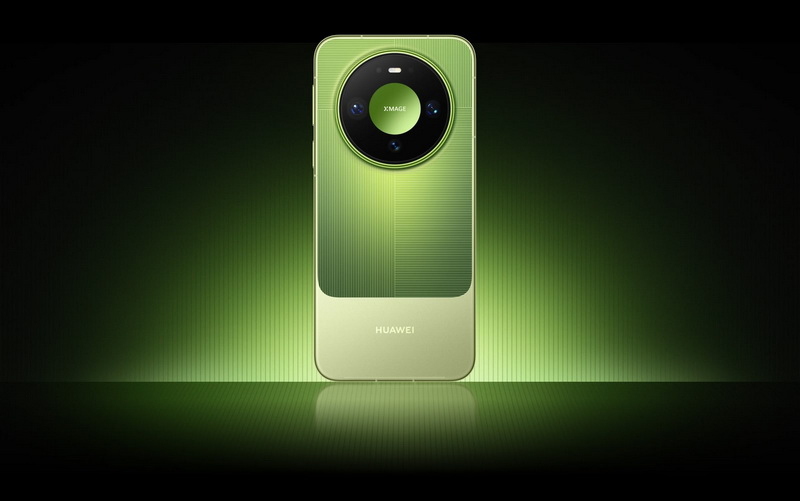
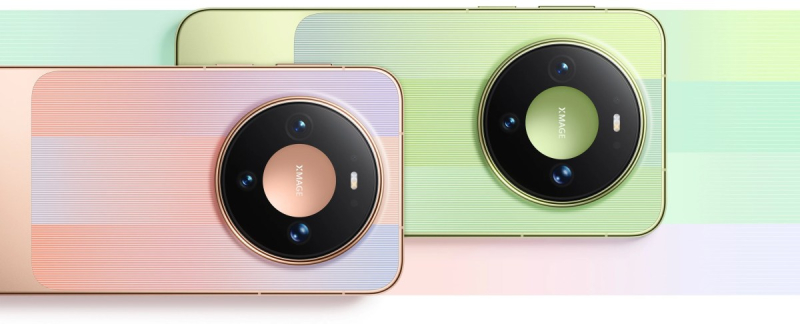
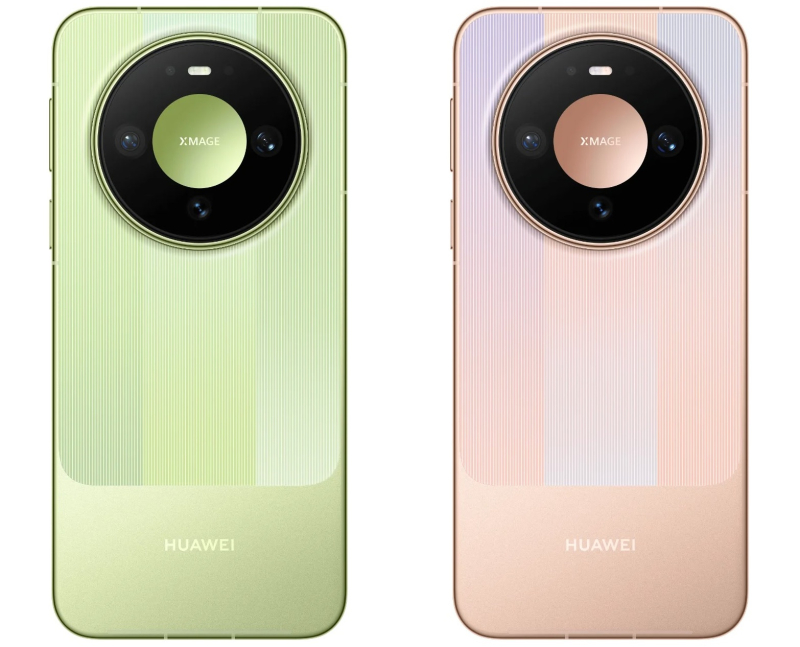
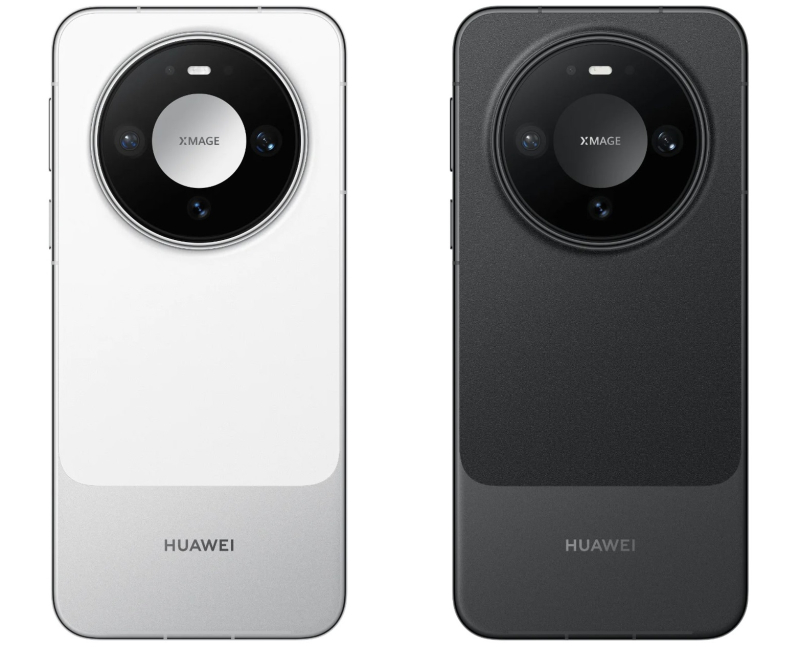
Mate 90 Pro. Image source: Huawei
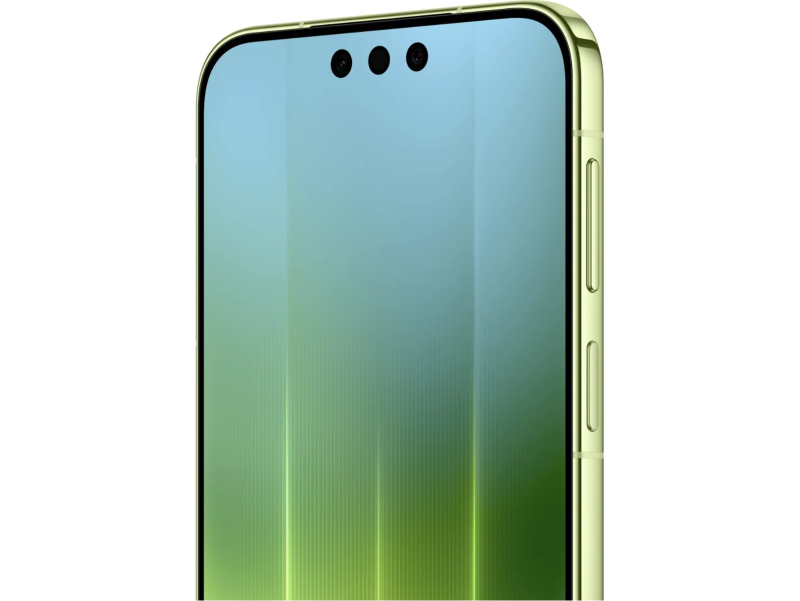
Huawei Mate 90 Pro is equipped with a 6.75-inch LTPO OLED display with a resolution of 2832×1280 pixels and a refresh rate of 1-120Hz. Specs look similar to its predecessor, but the new model features a dual-layer OLED panel capable of delivering an incredible 12,000 cd/m2 peak brightness2.
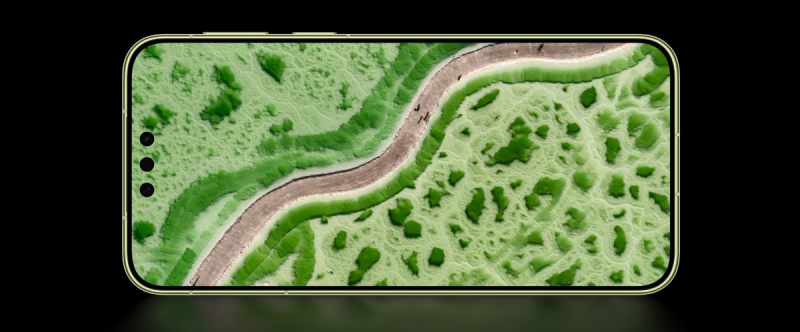
The smartphone’s design is a “sandwich”: the front is protected by Kunlun Glass 3, with metal frames on the sides and a back panel made of nylon fiber. This device has an IP68 protection rating and can withstand immersion in water up to 6 meters deep. The IP69K standard has also been announced, guaranteeing protection against hot water spray. The display works even when wet, so you can use your smartphone in the rain.
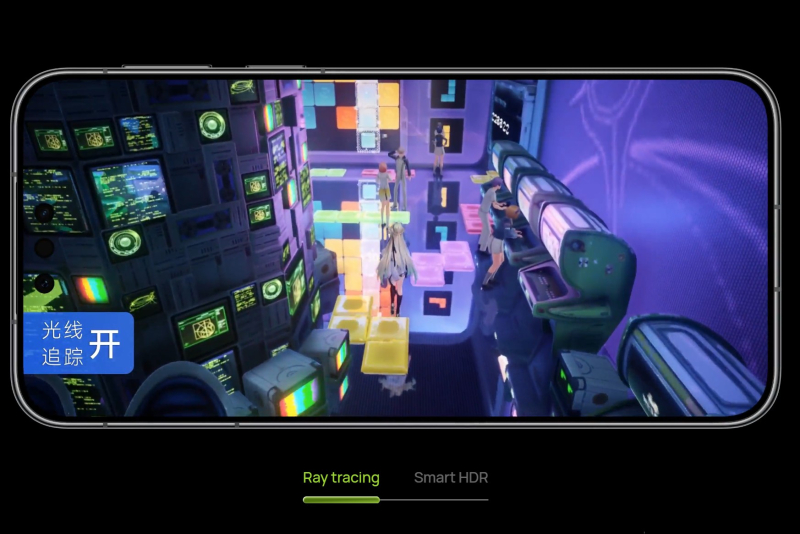
The new product is powered by the Kirin 9035 chipset. Huawei did not disclose its detailed technical characteristics, but noted that the new chip is 20% faster than the processor in the previous Pro model. The graphics accelerator supports hardware ray tracing and can process 31 million rays per second.
The smartphone is available in 12 or 16 GB RAM and 256, 512 GB or 1 TB storage configurations. There is no memory card slot, but it supports two SIM cards and eSIM technology. The Beidou satellite communication function has been implemented, not only text messages can be exchanged, but also photos can be exchanged.
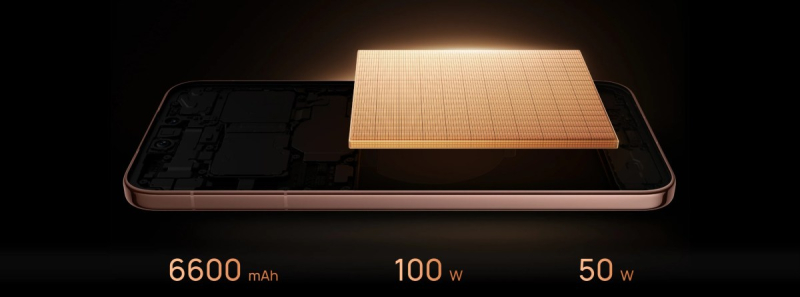
Another improvement is the 6600 mAh battery (last year’s Pro model had 5750 mAh). According to Huawei, the smartphone can play videos for up to 41 hours without charging. Supports SuperCharge technology: wired power 100W, wireless power 50W. In comparison, the 80 Pro supports 80W wireless charging. Reverse charging is also possible – wired (18 W) and wireless.
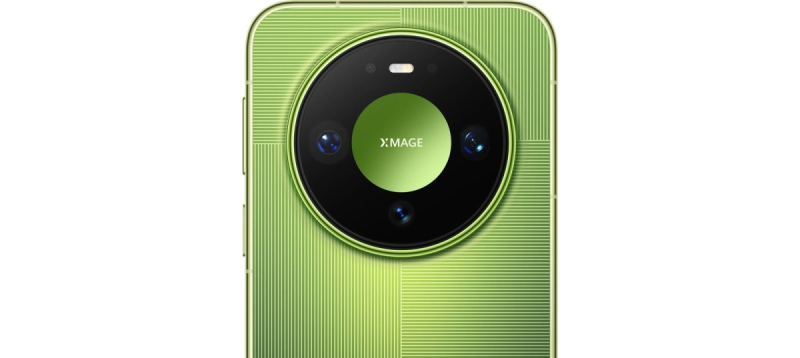
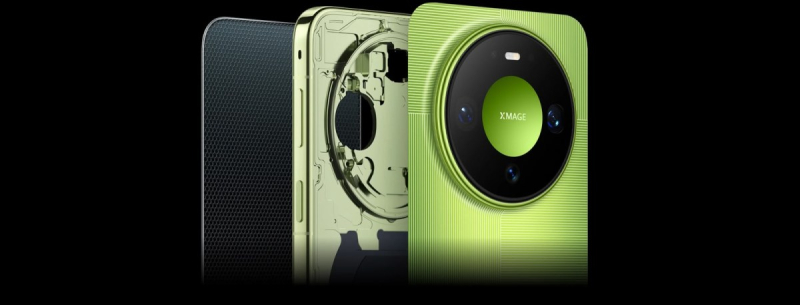
The camera set in the Mate 90 Pro remains almost unchanged. The 50 MP main camera features a RYYB sensor, optically stabilized lens, and switchable aperture (f/1.4–f/4.0). The ultra-wide-angle camera is equipped with a 40-megapixel RYYB sensor and f/2.2 aperture. There’s also a color sensor on the back panel.
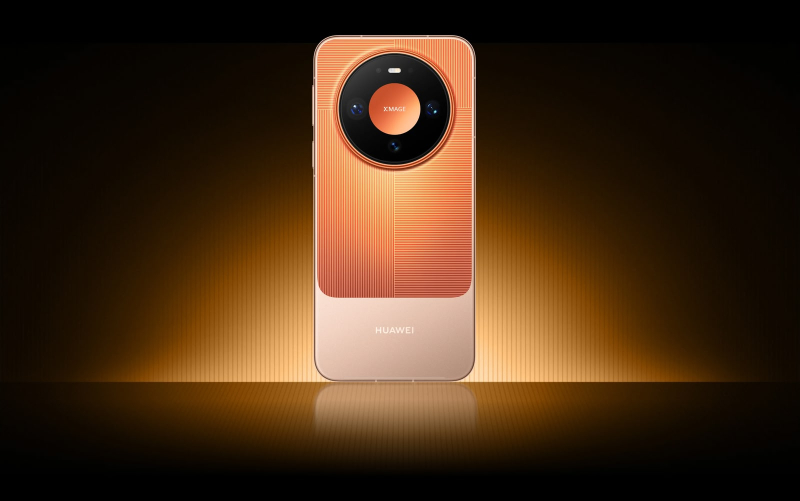
The telephoto lens uses a 50-megapixel RYYB sensor and provides 4x optical zoom. It also features optical image stabilization (OIS) and a fast f/2.1 aperture. This module supports macro mode, allowing you to take close-up photos from a distance of only 5 centimeters.
Huawei has retained the unusual design of the front camera, with three cutouts on the screen. The device consists of a 13 MP camera with f/2.0 optics and autofocus along with a 3D scene depth scanning module.
This smartphone runs Harmony OS 7. The system lets you transfer photos, videos and other large files remotely, using click-to-share functionality when the device is nearby. The phone detects which hand is being held (left or right) and when a call comes in, it places the answer and reject buttons on the right side.
Huawei Mate 90 Pro has been launched on China’s Vmall platform. The new product is priced at RMB 7,000 (approximately US$1,040) in the 12/256 GB memory configuration. This is 1,000 yuan more expensive than last year’s Mate 80 Pro (12/256 GB). Below is a price list for other memory options.
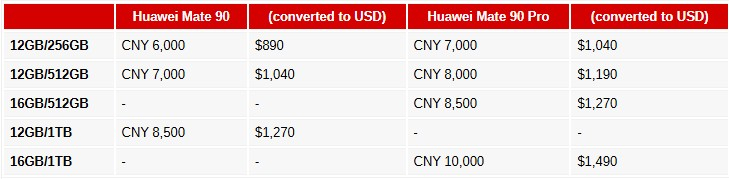
Image source: GSMArena
Prices for the Huawei Mate 90 start from 6,000 yuan (approximately $890). As such, it occupies the price slot previously occupied by the Mate 80 Pro. Processor-wise, it’s not as good as the older Mate 90 Pro.
The Mate 90 base model uses a Kirin 9030 chip (the same as last year’s Pro version), while the previous generation base model came with a Kirin 9020 chip. The Mate 90 is said to offer a 27% improvement in performance over its predecessor, but keep in mind that this is compared to the base model of the previous generation. The Kirin 9035 chip in the Mate 90 Pro is 20% faster.
There is no 16 GB RAM variant of the Mate 90. Only 12GB RAM option is available. However, like the Mate 90 Pro model, it is available in all possible memory capacity options: 256 GB, 512 GB, and 1 TB.
Huawei didn’t specify the physical dimensions of the Mate 90’s camera sensor, but the hardware is nearly identical to that found in the Mate 90 Pro. It includes: a 50-megapixel main camera with RYYB sensor, a lens with variable aperture (f/1.4–f/4.0) and optical stabilization (OIS), and a 40-megapixel ultra-wide-angle camera (RYYB sensor, f/2.2 aperture).
Only the telephoto lens is different. It still uses a 50MP RYYB sensor and optical stabilization, but the lens focal length (4x zoom and f/2.2 aperture) is 88mm, compared to 90mm on the Pro version. Also, there is no macro mode. Still, it’s a significant improvement over the 12MP lens on the Mate 80 (5.5x zoom, 125mm).
The base model’s battery is the same as the Pro version. Its capacity is 6600mAh, which is enough for 41 hours of video playback. But wired charging power is lower. Its power is 66 W, while the wireless remains at the same level – 50 W. For comparison, the previous Mate 80 had a 5750 mAh battery and supported charging at the same power (wired 66 W and wireless 50 W).
Mate 90 uses third-generation Kunlun glass, but unlike the Pro version, it does not use dual-layer OLED display technology. This smartphone is equipped with a 6.75-inch LTPO OLED display with a resolution of 2832×1280 pixels and a refresh rate of 1-120Hz. Like the more expensive model, the back panel of this smartphone is made of fiberglass, and the device itself is protected by IP68 (immersion in water to a depth of 6 m) and IP69K.
Huawei Mate 90 has also been launched on the Vmall platform. There’s no word yet on whether the Mate 90 or Mate 90 Pro will be available internationally, but the Mate 80 Pro became available globally in March after debuting in China in late November.
If you find an error, select it with your mouse and press CTRL+ENTER.