

Yandex Browser has seen significant growth in monthly active audience and downloads. According to reports, the number of Russian users of Google Chrome fell by 3% year-on-year in August, and the number of Opera users dropped by 19%, while the number of Russian users of the domestic IT giant’s mobile application increased by 31% year-on-year.Kommersant» Refer to digital budgeting materials.
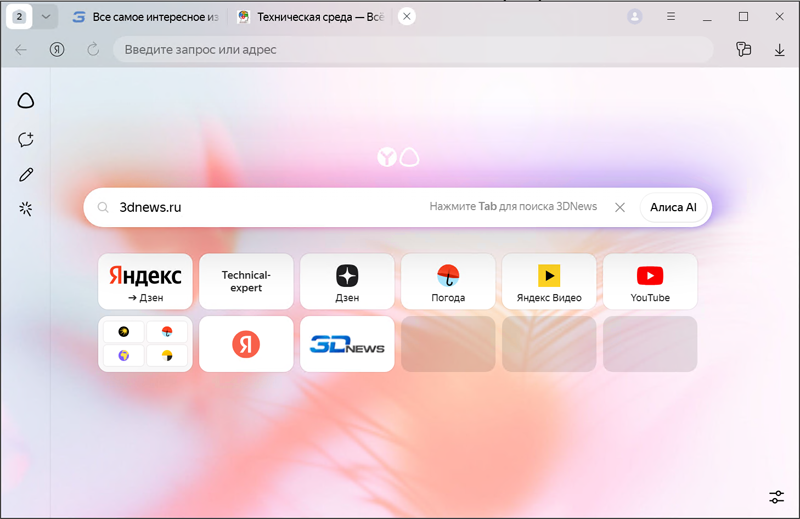
At the beginning of August, “Yandex Browser” in the Russian part of Google “Play Market” became the leader in downloads – this can be explained by the large-scale transition of the Bank of Russia to National Certificates (NCT Digital Development Department) and GOST TLS. It is difficult for foreign browsers that do not support them to access the bank’s online resources, but the Yandex browser can still operate normally. At the end of August, the monthly active audience (MAU) of the Yandex – with Alice AI application increased by 31% year-on-year; compared with June, the increase was 12%. Downloads of the mobile app increased by 2.4%, and downloads of the desktop version of Yandex Browser increased by 5%. Meanwhile, Google Chrome lost 3% of its Russian audience, and Opera lost 19%.
Safari plays an important role in Apple’s ecosystem, and users are more likely to switch devices than install an alternative web browser. In the banking industry, the share of users with devices running Apple iOS and macOS combined was 34%, compared with just 7% on government websites. When there are difficulties establishing a secure connection or certificates are revoked, users of Apple devices either switch to other devices or install native mobile apps – and banks offer alternatives.
In early June, Japan’s GlobalSign began to forcibly revoke the SSL certificates of Russian websites; later the Ministry of Digital Development stated that GlobalSign’s share in Runet did not exceed 5% and called on Russians to install departmental certificates on their devices. Since 2022, domestic companies have continued to have foreign certificates revoked – as a result, some Russian websites may not open correctly in Chrome, Edge or Safari. Starting from March 1, 2027, the Ministry of Digital Development will launch ten types of security certificates – they will be strictly classified according to algorithms and tasks; earlier it was reported that the Russian company CryptoPro is developing its own browser.
Yandex confirms that Yandex Browser’s audience is growing steadily – it is currently installed on 95 million active devices. Users are attracted by new artificial intelligence capabilities, high performance, security, and support for Russian services. Experts say it’s easier for the average user to install a web browser that supports all necessary solutions than to install credentials and configure them themselves.
If you find an error, select it with your mouse and press CTRL+ENTER.