
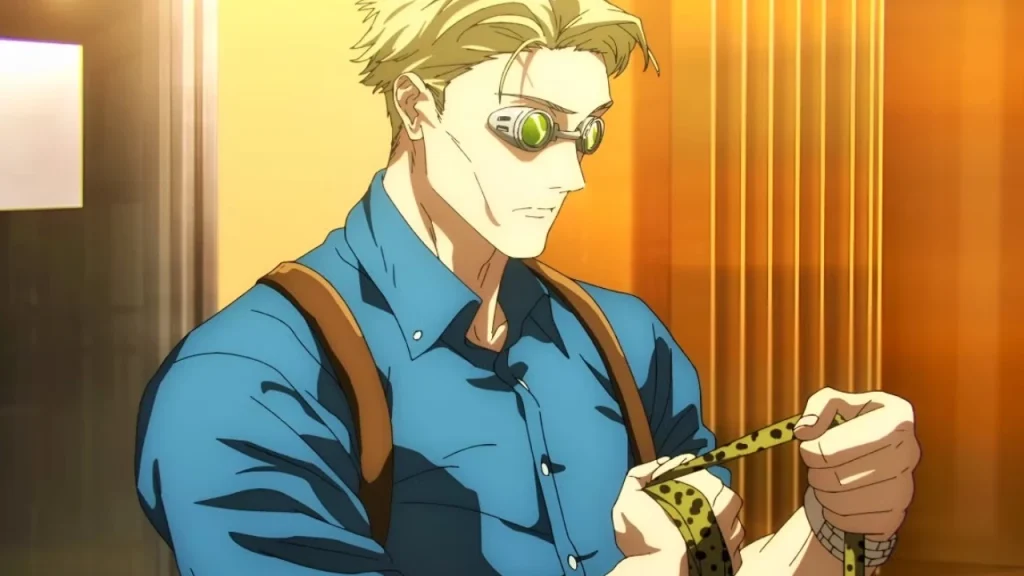

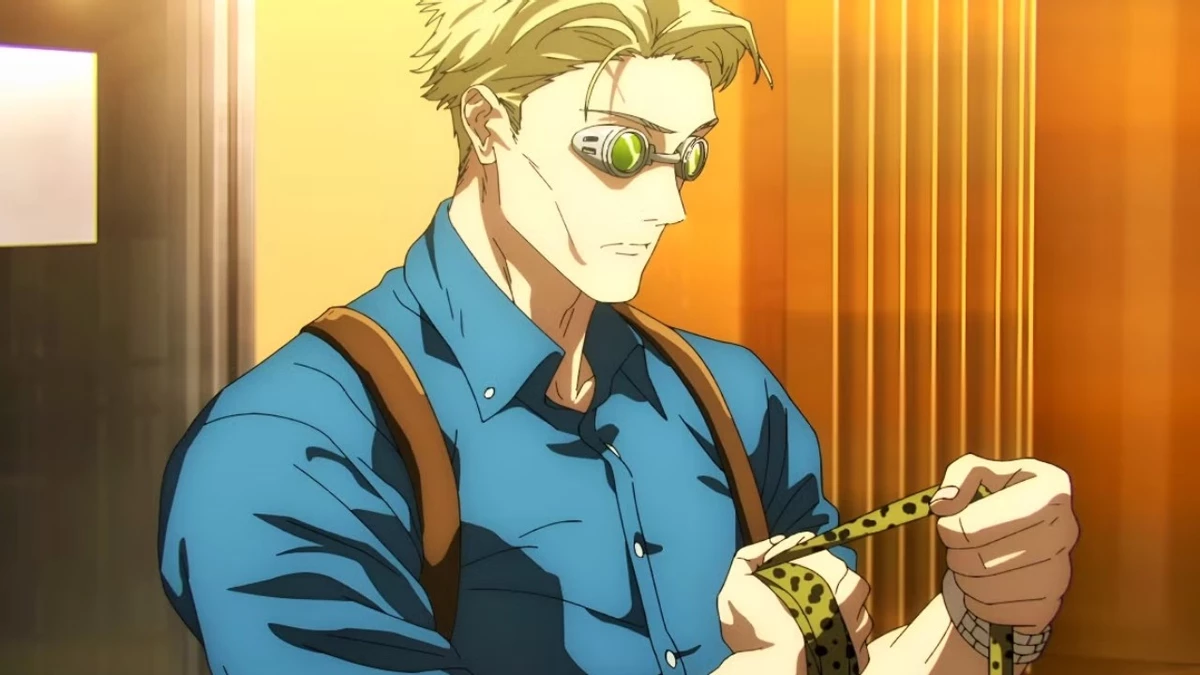
Famous Japanese voice actor Kenjiro Tsuda filed a lawsuit against TikTok, asking to remove videos that used generated artificial intelligence to imitate his voice, but lost the lawsuit. On September 30, the Tokyo District Court dismissed the lawsuit on the grounds that the controversial video had been removed from the platform. However, the ruling itself sets an important precedent for the legal protection of voice actors and celebrities in Japan.
The lawsuit, filed by Tsuda in November 2025 and made public in May this year, calls for the immediate removal of more than 180 videos posted on an unidentified personal account with more than 210,000 followers. The videos feature artificial intelligence-generated dubbing (telling gags, urban legends, etc.) whose voice closely resembles Tsuda’s. At the same time, these videos bring in a monthly income of approximately US$3,000 to US$4,700.
The plaintiffs argue that the purpose of these videos is to mislead viewers into thinking that the artificial intelligence-generated voices are those of the actors themselves. Tsuda claimed it violated Japan’s Unfair Competition Prevention Act and violated his “right of publicity” (a legal rule that protects the commercial value associated with a celebrity’s identity).
TikTok representatives, in turn, insisted that the dubbing used a “typical male voice,” and the video’s author on a third-party website explained that the voice was generated by artificial intelligence “trained on the voices of friends.” The defendants argued that the videos did not violate any laws and did not infringe Tsuda’s rights.
By May, the controversial account had been deleted and the data was allegedly no longer stored on TikTok’s servers. In response, the defendant claimed that he had no legitimate interest in continuing the lawsuit and requested that the lawsuit be dismissed.
The Tokyo District Court rejected Tsuda’s claim and said the video had been deleted. However, the judgment itself is significant as it confirms that a person’s voice is protected by “right of publicity” laws (the right to control the commercial use of a person’s image). According to Japanese media reports, this sets a new precedent.
The unauthorized use of celebrity voices and images in videos and graphics created using generative artificial intelligence has increased in recent years. However, Japan lacks laws explicitly protecting voice rights, and as the problem worsens, organizations representing voice actors and other professionals have continued to call for legislative reform.
Japan’s Ministry of Justice and Ministry of Economy, Trade and Industry have established guidelines stating that voices (such as images of physical appearance) may be protected by the “right of publicity” and the Unfair Competition Prevention Act. However, to date, the court has not issued a judgment recognizing the infringement of voice-related rights, which makes the Tsuda decision of great significance to the industry.