
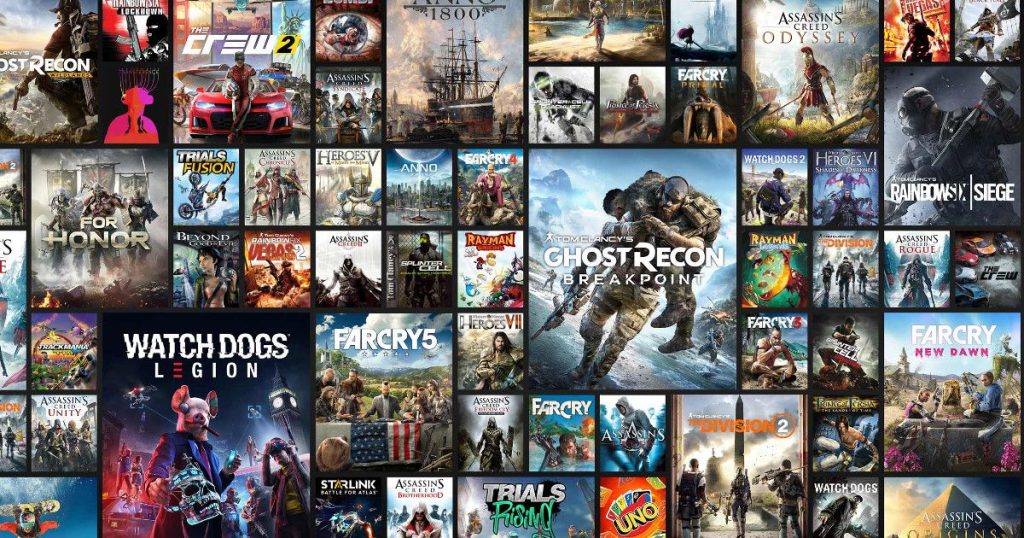
As part of a sweeping reorganization of its studio infrastructure, publisher Ubisoft has announced the name of its so-called Creative House 2 business unit. As the company announced, the global division will operate under the established Massive Entertainment brand going forward. Led by Managing Director Christoph Hartmann, the Malmö-based Swedish studio is now the lead management agency for multiple international locations in four countries, including development teams in Paris, Montreal and Toronto. The reorganized business unit will now assume strategic responsibility and production oversight for well-known AAA games such as “Tom Clancy’s The Division,” “Tom Clancy’s Ghost Recon” and “Tom Clancy’s Splinter Cell.” The portfolio is also complemented by new brand projects, including free-to-play tactics game March of Giants and other unannounced IP.

The consolidation of the studio landscape under the name Massive Entertainment forms a core component of Ubisoft’s changed organizational structure. In order to cope with the complexity of modern large-scale projects and the growing market demands, the Group has divided its development resources into specialized departments.
The joint venture Vantage Studios is responsible for the development of flagship brands such as “Assassin’s Creed”, “Far Cry” and “Rainbow Six”, with Creative Network providing support services, while the newly established Massive brand focuses exclusively on tactical and shooting action brands.
The Swedish development team, known for games such as The Division and Star Wars Desperados as well as its home-grown Snowdrop engine, has become a global leader on the web.
In addition to the traditional Tom Clancy series, Massive Entertainment’s remit also includes newer brand projects. A striking example is the MOBA project March of Giants, which Ubisoft took over from Amazon Games Montreal at the end of 2025 and is currently being further developed within the network structure.
The company clarified that the move is purely a brand and leadership integration; Ubisoft will continue to be the global publisher of all final titles, and ongoing production schedules and release windows will not be affected by the organizational merger.
The move highlights Ubisoft’s attempt to shorten the decision-making process and establish the creative direction of existing franchises more clearly. By bringing together important core brands under the umbrella of Massive Entertainment, the group’s management relies on the studio’s years of expertise in live services infrastructure and engine development.
The coming months and future announcements from the newly formed studio group will show how much the reorganization will speed up production on a potential Splinter Cell remake or the next installment in the Ghost Recon series.
