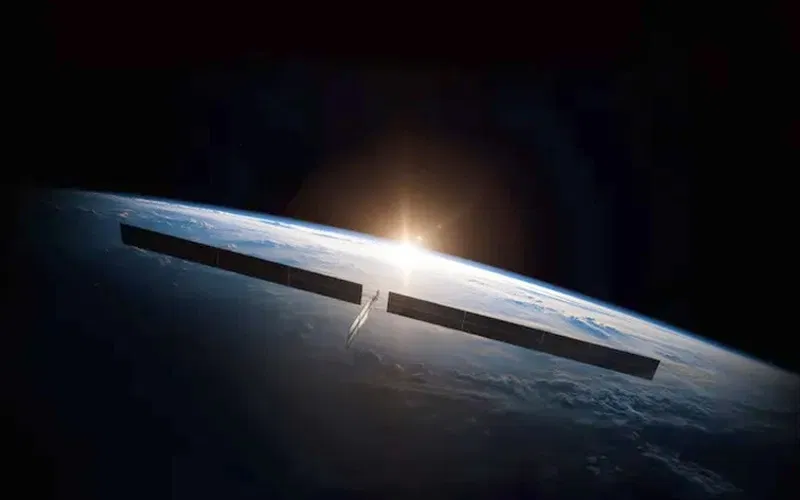
SpaceX is building a custom version of the Nvidia Vera Rubin NVL72 rack-mount AI system that replaces standard NVLink cable assemblies with a massive 84-layer PCB. The system, codenamed Kessel, retains the configuration of 36 Vera CPUs, 72 Rubin GPUs and nine NVLink switch modules, but uses a fundamentally different interconnect architecture. It is designed for both ground and orbital deployment.
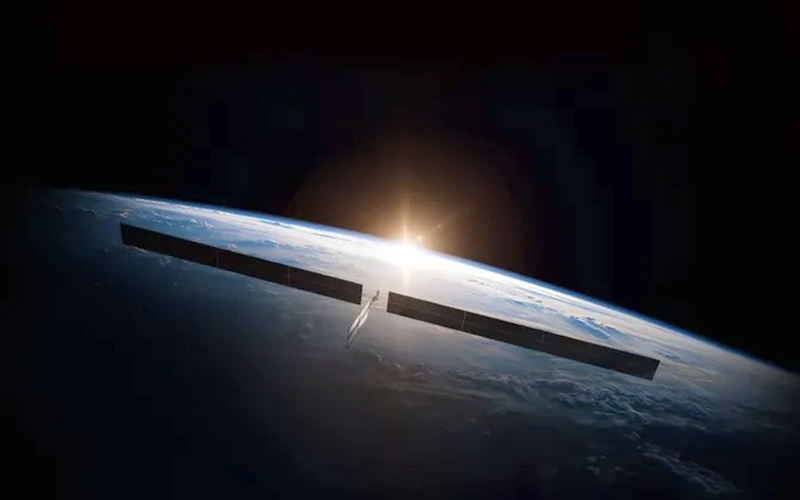
Image source: SpaceX
Unlike Nvidia’s standard solution, which uses internal NVLink cable blocks, SpaceX plans to place the compute and switching modules back-to-back around a passive backplane. This architecture resembles a smaller version of Nvidia’s Kyber system, containing 576 AI processors in 144 cases and also using a circuit board instead of cable connections.
Perhaps the most notable feature of the Kessel is its 84-layer PCB backplane, which is manufactured using ultra-low signal loss M10 copper laminates. The Nvidia Kyber architecture used a much more complex 156-layer PCB based on M9 laminates. Reducing the number of layers by almost half can significantly simplify the production process and increase the yield of suitable products, but the use of a more advanced foil dielectric will almost certainly lead to increased material costs.
The 84-layer ultra-low loss M10 PCB is an extremely expensive component that requires advanced manufacturing processes and strict quality control. A serious obstacle to the production of 84-layer boards can be the low yield of suitable products, since defects in the internal layers can make the entire board unusable. Modern high-end server motherboards typically contain 15–20 layers.
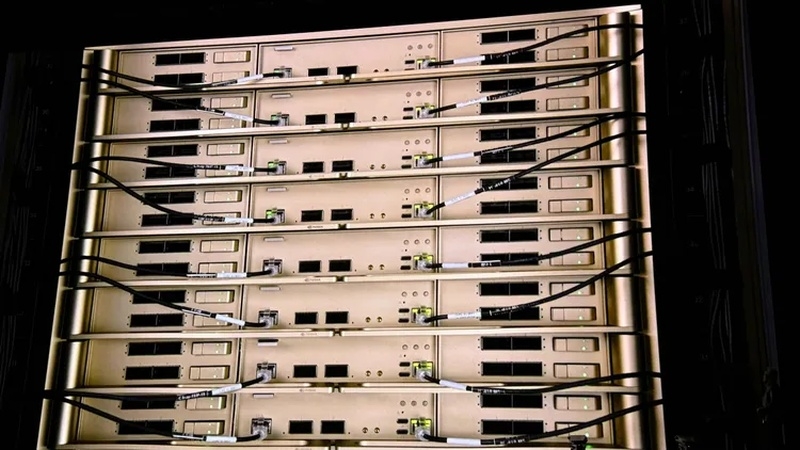
Image Source: Tom’s Hardware
Project Kessel marks a departure from Nvidia’s traditional system-level procurement model. Instead of purchasing off-the-shelf compute modules (L6) or server racks (L10), which Nvidia plans to offer as part of the Vera Rubin generation, SpaceX intends to purchase AI accelerators, central processing units, switches and networking equipment directly from Nvidia, and other components from third-party suppliers.
This approach will allow SpaceX to independently select printed circuit board manufacturers, component suppliers and manufacturing partners, as well as optimize hardware for its own infrastructure, which is especially important for deploying systems in orbit.
The economic feasibility of the Kessel project will depend on whether the savings from eliminating cables and purchasing components in-house can offset the high cost of a complex backplane. At the same time, the company takes on much greater responsibility for system design, testing, manufacturing quality and supply chain management.
For Nvidia itself, the consequences of such a decision are ambiguous. While direct sales of individual processors and GPUs may reduce the company’s revenue from off-the-shelf computing boards, this approach could encourage other large customers to develop their own systems based on Nvidia technology. Ultimately, this could lead to an increase in the total number of systems using Nvidia solutions, which is especially important as the largest hyperscalers are increasingly introducing their own specialized chips.
If you notice an error, select it with the mouse and press CTRL+ENTER.