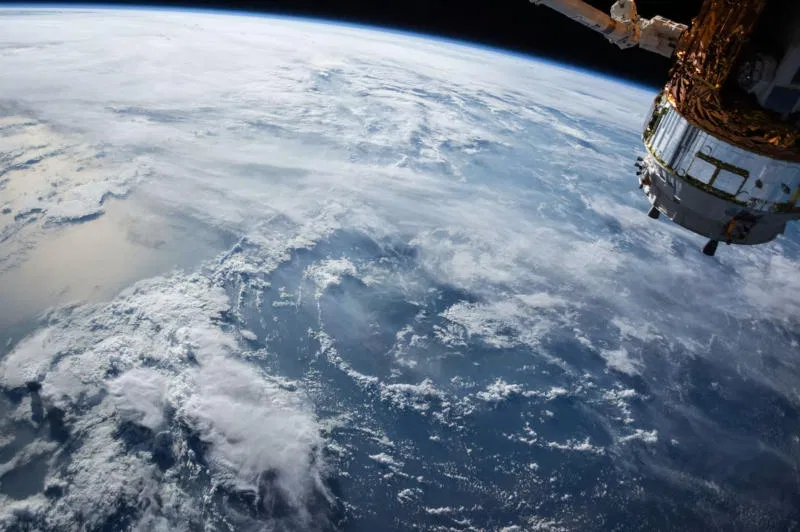
MTS, together with the state operator Space Communications (GP KS), tested direct communication between a smartphone and a satellite located in geostationary orbit. The technology will be useful for transmitting emergency messages and exchanging small amounts of data in remote areas of the country; the solution may be in demand by fuel and energy enterprises, transport, logistics and construction companies, the operator said.
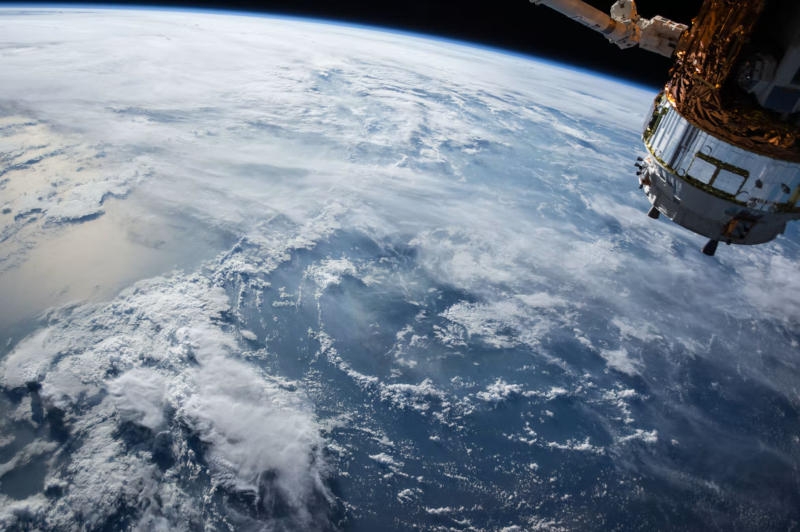
Image source: NASA / unsplash.com
During tests of NTN-D2C (Non-Terrestrial Networks Direct-to-Cell) technology, MTS transmitted SMS and data from a smartphone directly to the Express-AM8 satellite at an altitude of more than 36,000 km. The spacecraft relayed the signal to the ground teleport of the GS KS, and it connected to the MTS base station.
But this is just an experiment, and the timing of the commercial launch of such services has not yet been specified. In Russia there is now virtually no market for direct communication between smartphones and satellites; Globally, the size of this market at the end of 2025 was $407 million, and more than half of it was in North America. SpaceX Starlink is currently leading the world; in 2028, Amazon plans to provide communication between unmodified smartphones and its satellites.
Express satellites were designed for other tasks, and existing subscriber equipment may not be suitable for MTS solutions, those interviewed warned “Vedomosti» experts. Coverage of the territory of Russia is now provided by 18 communications satellites located in geostationary orbit: 13 Express satellites and 5 Yamal satellites from Gazprom Space Systems; There are 30 satellites of the Rassvet system operated by Bureau 1440 in low Earth orbit. And more than 70% of the country does not have terrestrial cellular coverage.
Other operators are also testing direct satellite communications on smartphones: T2 is negotiating with satellite providers; Beeline and MegaFon cooperate with Bureau 1440. At the initial stage, we are talking about the transfer of SMS, geolocation and small amounts of data. To commercially launch the service, it will be necessary to create a regulatory framework, including in terms of regulating the radio frequency spectrum, the Ministry of Digital Development says.
Linking smartphones to geostationary satellites could be useful as a niche solution in disaster zones and the Arctic, but it won’t come cheap, experts warn. For voice communications and broadband access, devices in low Earth orbit are better suited – at an altitude of 500 to 1200 km they will provide a short signal delay time.
If you notice an error, select it with the mouse and press CTRL+ENTER.