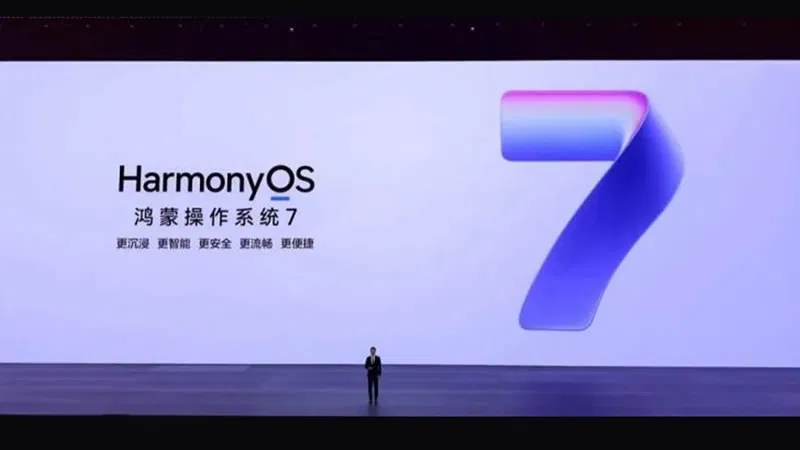
The HarmonyOS operating system developed by Huawei has surpassed 100 million users, second only to Android and iOS. The achievement was the result of the consistent development of the software platform and the expansion of the ecosystem of compatible devices.
Image source: huaweicentral.com
Huawei began developing HarmonyOS in 2019, initially focusing on smart electronics. The operating system then appeared on smartphones and tablets, and eventually expanded to wearable devices and Internet of Things technology.
An important step was the transition to HarmonyOS Next, also called HarmonyOS 5. In this version, Huawei removed all AOSP libraries used for compatibility with Android-based applications. Instead, the Chinese IT giant focused on its own software, and third-party developers and technology companies began to actively support the new platform.
According to the Chinese publication Mydriversthe company decided to celebrate the achievement with a special incentive program. More than 60 thousand employees who participated in the development of the HarmonyOS ecosystem will receive honorary awards and additional bonuses for their contribution to the creation of the proprietary platform.
Another factor driving the growth of HarmonyOS is the recently released version of HarmonyOS 7, which includes additional personalization options, leading to increased installations on smartphones, tablets, wearables and MateBook computers.
Huawei believes that the success of a mobile OS depends not only on technical characteristics, but also on the size of the user base, developer community and accumulated resources. Therefore, the company pays special attention to attracting third-party developers and creating applications for its devices.
If you notice an error, select it with the mouse and press CTRL+ENTER.