Multilayer RAM placed directly on top of AI accelerator chips could hit the market in 2028–2029. This forecast was presented by Micron CTO Scott DeBoer, noting that the new technology will significantly increase memory bandwidth and reduce energy costs for data transfer.
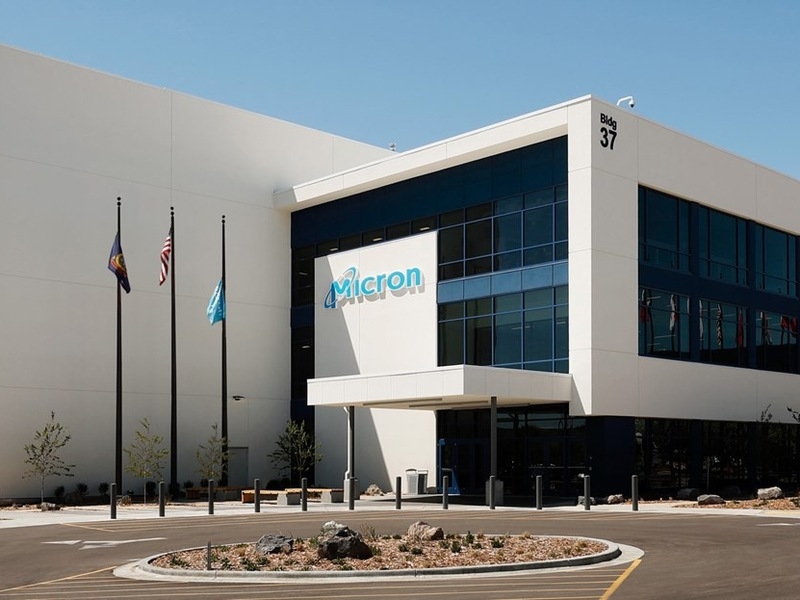
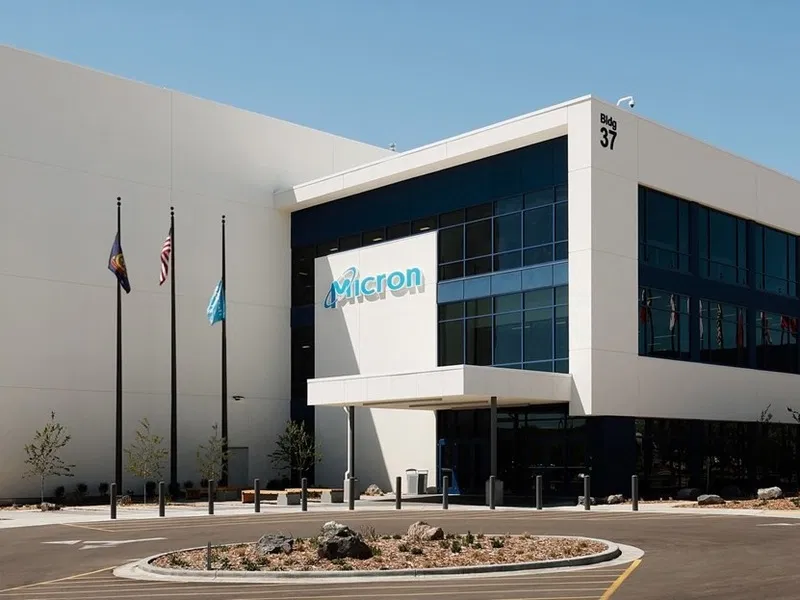
Image source: Micron Technology
About this Deboer told at the TomorrowX Summit in Austin, where he spoke with Micron CEO Sanjay Mehrotra. According to the technical director, the largest developers of computing equipment are already interested in jointly creating multi-layer DRAM, which can be placed directly on accelerator chips.
Unlike current HBM memory, which is typically located next to the computing chip on a common substrate, the new architecture features multiple layers of DRAM stacked vertically above the processor. This will reduce the data transmission distance and increase the interface throughput. In addition, developers will be able to integrate additional logic functions directly into the memory system.
The main technical obstacle remains heat removal. Modern AI accelerators generate significant amounts of power, and DRAM chips are sensitive to elevated temperatures. Developers will have to consider the location of the hottest areas of the processor, the properties of connecting materials, and the cooling efficiency of the entire multilayer block.
According to Deboer, the first such solutions will begin to enter the market in 2028–2029. At the same time, widespread adoption of the technology is expected closer to 2030–2031. Micron has already announced its intention to develop 3D DRAM instead of switching to alternative transistor layouts that some competitors are interested in.
The development of new technologies occurs against the backdrop of an increasing shortage of RAM. Micron CEO Sanjay Mehrotra confirmed that the supply situation in 2027 and 2028 will be even tighter than in 2026. According to him, the company has already distributed 75% of the production volume planned for next year among customers, and negotiations on new deliveries are gradually moving to 2028.
Mehrotra attributed the strong demand to the development of generative and agent-based artificial intelligence. Increasing model sizes, the duration of context windows, and the number of concurrent tasks require increasingly large amounts of high-speed memory. As a result, modern processors often sit idle waiting for data, limiting the efficiency of computing systems.
Micron also confirmed that it has 26 strategic agreements with customers, many of which span five years. The total amount of advances and financial obligations of customers under these contracts is $32 billion. The agreements provide for obligations to pay for agreed volumes of production and allow the manufacturer to plan for further expansion of capacity.
Despite building new facilities, Micron management cannot yet determine when memory supply will catch up with demand. The company has previously warned that even adding additional production capacity by 2028 will not immediately eliminate the shortage.
If you notice an error, select it with the mouse and press CTRL+ENTER.