The US Federal Communications Commission (FCC) has approved SpaceX’s application to deploy 1 million satellites in orbit equipped with computing equipment that will be used as space data centers. Amazon, satellite operator Viasat and the American Astronomical Society actively opposed the approval of the application.
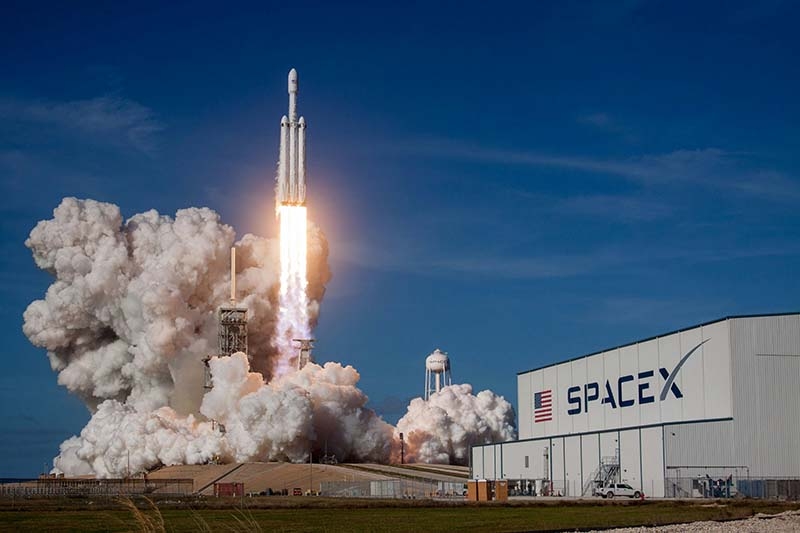
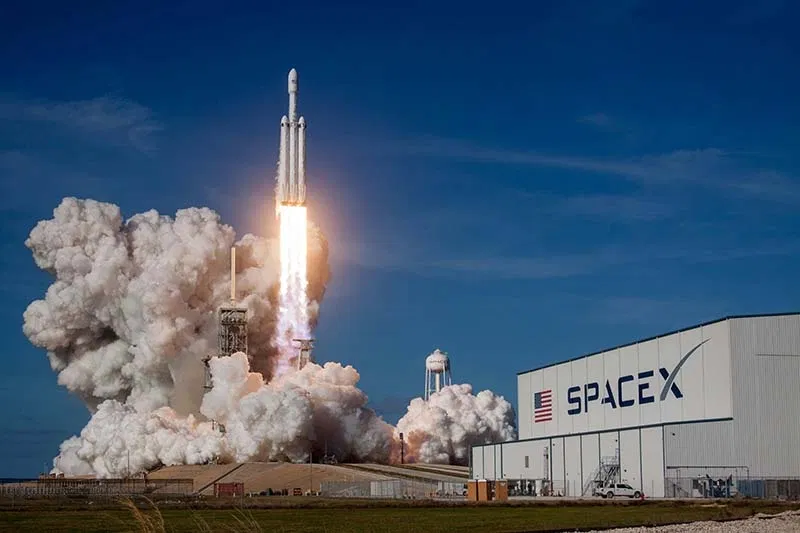
Image source: SpaceX/unsplash.com
The commission’s chairman, Brendan Carr, who announced the FCC’s decision, wrote on the social network X that SpaceX’s constellation of satellites, called Starmind, along with similar projects from competitors, would use solar energy and help “strengthen America’s leadership in the field of superintelligence.” In response, SpaceX CEO Elon Musk wrote: “Very grateful. This will be a valuable asset for both America and the world.”
According to the terms of the license, SpaceX must begin deploying a satellite constellation no later than November 2033 and by November 2035 put into orbit 10% of the total number of satellites (that is, 100 thousand devices), and by November 2038 at least 50% of the declared number must be in orbit.
The FCC noted that approval of the application will allow SpaceX to “become a pioneer in the development of advanced technologies that will strengthen US leadership in the space industry and the field of artificial intelligence.”
Also in the official regulatory document confirming the issuance of the permit, it is reported that SpaceX’s application “received a significant number of comments from the public, including motions to reject the project filed by Kuiper Systems LLC (an Amazon Kuiper project) and Viasat, as well as the American Astronomical Society (AAS).”
Amazon called on the FCC to reject SpaceX’s application in March, describing the Starmind project as “more an ambitious dream than a real plan.” The company is working on creating its own Amazon Leo constellation (formerly Project Kuiper), which should become a competitor to the SpaceX Starlink satellite Internet service. She said such a project would take SpaceX “centuries” to complete. In addition, Amazon noted that the company provided extremely scant information about exactly how it plans to fulfill “its grandiose promises.”
In response, the head of the FCC said that Amazon “should pay attention to the fact” that it itself is behind the deadlines it set for deploying its own satellite constellation.
The FCC decision was also criticized by astrophysicist and writer Adam Becker. “Any serious attempt to do this would lead to even greater pollution of the night sky and create a serious risk of a chain reaction of space debris collisions, which would be catastrophic for all humanity,” he wrote to CNBC. “Musk and Carr are either incredibly stupid themselves, or they hope that we are all so stupid that we won’t notice how absurd this is.”
We add that the FCC indicated in its decision to grant SpaceX permission that it rejected “comments and concerns regarding issues that are not within the competence of the commission, including environmental aspects,” as well as concerns about the project’s impact on “optical astronomy.”
If you notice an error, select it with the mouse and press CTRL+ENTER.