The US announced plans to impose new customs duties on 14 countries, including China and the EU. The decision follows an investigation launched by the Donald Trump administration in March after the US Supreme Court struck down its sweeping tariffs on imports, finding them unconstitutional.
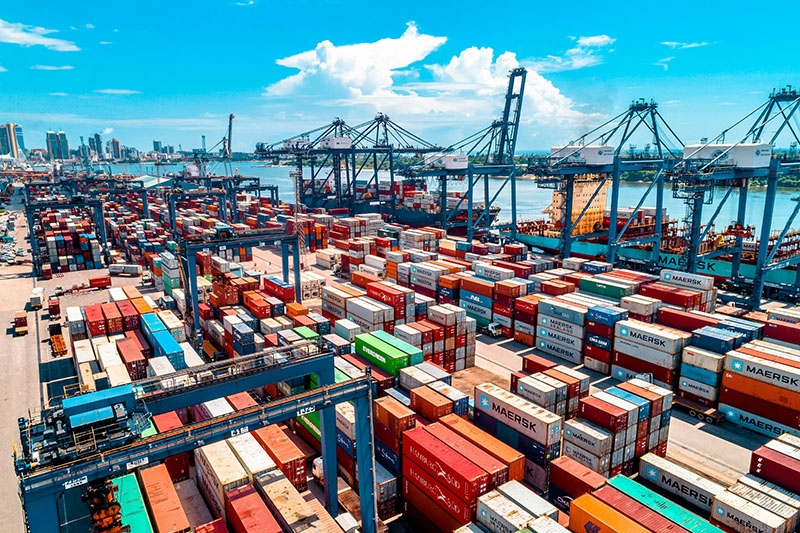
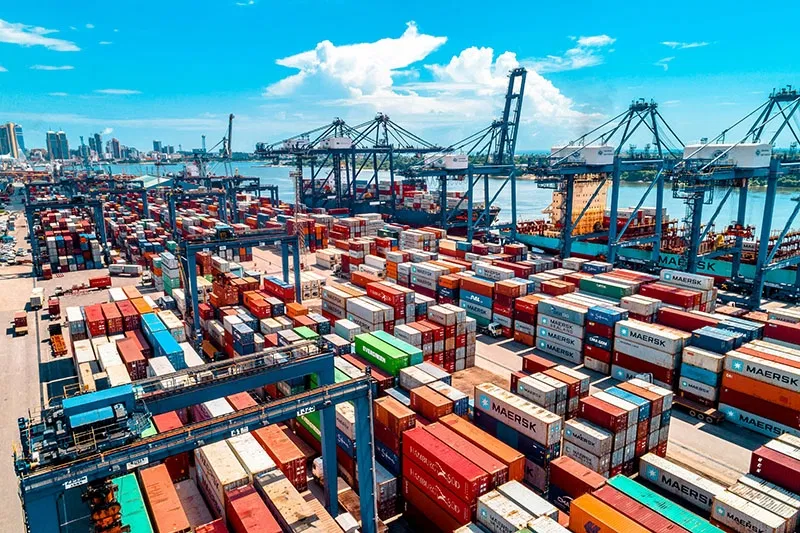
Image Source: Ali Mkumbwa/unsplash.com
The new measures are said to target countries that create, maintain, or contribute to structural excess capacity and output in the industrial sector that unreasonably burdens or restricts U.S. trade and is therefore subject to Section 301(b) of the Trade Act.
US Trade Representative Jamieson Greer explained in an interview with CNBC that the rates, which generally range from 15 to 20%, are “not cumulative” with tariffs already in place. He noted that this is “more of an addition – we are talking about only a small increase of a few percentage points.” He also said that new duties would most likely be introduced only in a few months.
According to a Bloomberg source, China is subject to a 20% tariff rate as part of the new tariff policy, in accordance with previously reached agreements between Beijing and the Trump administration. Moreover, if negotiations between the two countries fail, the rate could double and reach 40%.
On goods from the EU, the duty will be 15% (according to the US-EU agreement reached in 2025), but in the future this figure may be increased to 20%.
Imports from Japan, South Korea and Switzerland will be subject to tariffs of 15%. According to the Office of the United States Trade Representative (USTR), for South Korea this rate could rise to 25%, and for Japan and Switzerland – up to 20%. A tariff of 17% may be imposed on goods from India (if a trade agreement is concluded with Washington), and the rate may be increased to 25%.
China denies accusations of creating excess capacity. According to Reuters, China’s Foreign Ministry said on Wednesday that “the so-called ‘excess production capacity’ does not actually exist.”
The new tariffs affect Bangladesh, Cambodia, China, the European Union, India, Indonesia, Japan, South Korea, Malaysia, Singapore, Switzerland, Taiwan, Thailand and Vietnam. Similar measures that could have been taken against Mexico and Norway were not included in the final list, but their introduction is still being considered, the official said.
If you notice an error, select it with the mouse and press CTRL+ENTER.