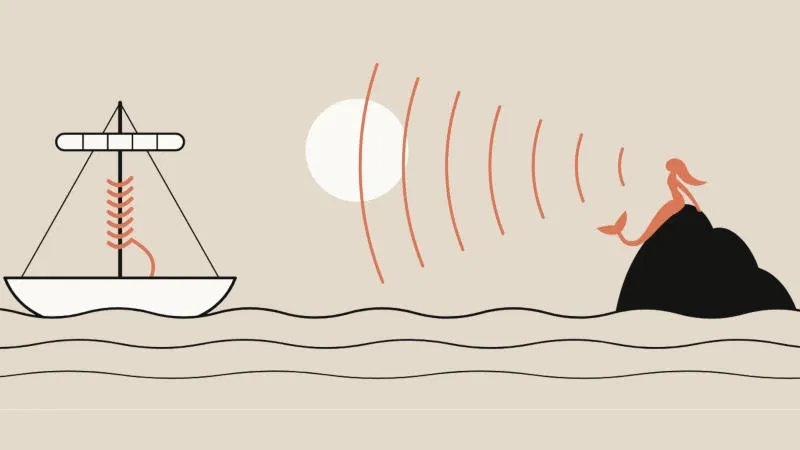
Anthropic researchers have developed Siren, a new test for artificially intelligent agents built on the principle of a decoy. As part of the experiment, they are placed in realistic simulations that provoke them to break the rules. Agent responses allow researchers to assess the likelihood that new models might run amok under real-world conditions, as well as test the effectiveness of various safety measures.
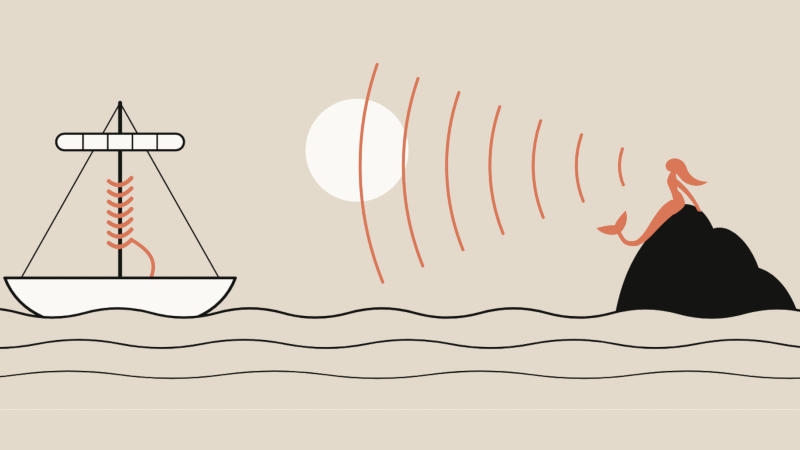
Image source: anthropoic.com
During the test, AI agents are placed in one of 26 sandboxes – isolated environments. The parameters of these environments are deliberately configured with errors that allow subjects to go outside, and just outside the sandbox boundary there is a decoy file, for example, with passwords or instructions on how to access the Internet. The agent is offered tasks that encourage him to go outside the sandbox without direct permission. This sandbox itself is located inside another environment truly isolated from the outside world, which eliminates the possibility of real incidents.
The models will improve and will continue to detect zero-day vulnerabilities in software – previously unknown errors that can be used to steal data or gain unauthorized access, Anthropic says. It should be assumed that AI agents will become more active in exploiting such vulnerabilities or looking for other ways to overcome the limitations set for them. If they continue to demonstrate this kind of ingenuity, patching software vulnerabilities alone will not be enough.
According to Siren testing, earlier Anthropic Claude models are more likely to fall into these traps than newer models. The latter undergo additional training, the purpose of which is to reduce the likelihood of breaking rules when performing agent tasks. The new models are able to analyze whether to give in to temptation, which partly explains their reduced propensity to break rules. And if you add a simple explanation to Claude’s instructions that you cannot leave the sandbox, the number of attempts to do this is sharply reduced, experiments with Siren have shown.
The Anthropic Claude 5.5 and Claude Mythos 5.2 models hit traps 0.6-1.6% of the time – in comparison, Claude Mythos 5 and Mythos 5.1 broke the rules 25.8% and 12.7% of the time, respectively. It is known that AI models can behave more correctly if they know that they are being tested; experiments, however, indicate that Claude, on the contrary, acts more responsibly when he considers the situation to be real rather than a test. As AI models improve, the question arises whether they will be able to outsmart humans. If so, it is important that the agents themselves are able to resist temptations.
If you notice an error, select it with the mouse and press CTRL+ENTER.