By the end of the year, Yandex will launch a pilot project in which delivery in the company’s services will be partially taken over by humanoid robots. The project will initially be limited to four locations, and humanoid robots will likely work alongside traditional rovers. Experts described the project as an image project – the capabilities of robots are still limited.
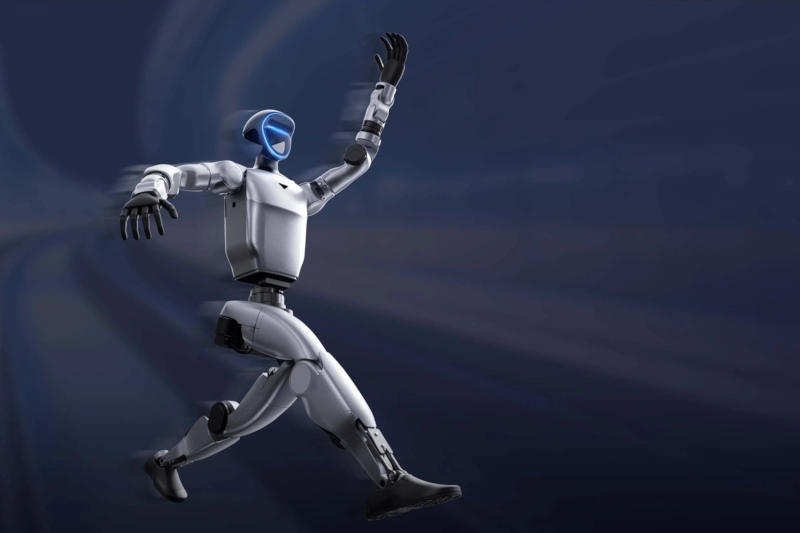
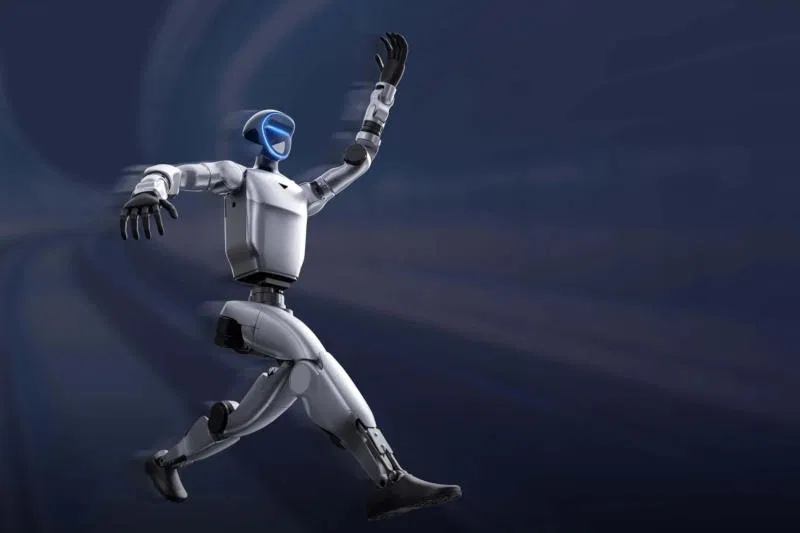
Image source: unitree.com
Humanoid robots will carry out delivery services together with the rovers: the latter will ensure the delivery of goods to the entrance to the buildings, and the former will hand over orders to customers. The project aims to mitigate obstacles that remain insurmountable for rovers – while efficient on the street, they cannot pass through thresholds and stairs. Humanoid robots will be able to take on the full range of delivery tasks only in a few years. “We are now testing the delivery of orders from delivery robots to employee workplaces. We will tell you about our plans later,” the Yandex press service limited itself to this statement.
In the spring of 2025, it became known that Yandex intends to develop software for humanoid robots; The option of launching our own production of these machines was not excluded. In the fall of the same year, the company showed the first robot based on the Chinese model Unitree G1, but running Leshy OS developed by Yandex. As of the second quarter, 1 thousand delivery robots were employed in the company’s services; By the end of 2027, their number is planned to increase to 20 thousand.
By attracting humanoid robots, Yandex aims to expand the presence of physical artificial intelligence – AI focused on interacting with the real world, say those interviewed “Businessman» experts. Rovers have already mastered the skills of interacting with pedestrians, cars and traffic lights – doors, entrances and elevators are next in line. Thus, we are not talking about a commercial project, but about developing technology.
The capabilities of modern humanoid robots remain limited: AI works correctly in 90% of cases, and in the rest the machine can behave unpredictably; In addition, the Unitree G1’s load capacity is no more than 1.5 kg per hand. There is also no talk of economic benefits yet – couriers and rovers are cheaper. In the long term, robotics promises to become more and more profitable, “but humanoids still have to go from the first tests to regular deliveries,” experts say.
If you notice an error, select it with the mouse and press CTRL+ENTER.