On Thursday, November 19, the price of AMD shares fell by almost 9% – to $484 per share – after the publication of a report from the Hunterbrook investment fund. During trading, the fall at its peak reached 11%, but later the securities slightly recovered the decline. The authors of the document bet on the collapse of the company’s quotes, accusing AMD management of excessive dependence on the Chinese market and risky financing of its own clients.
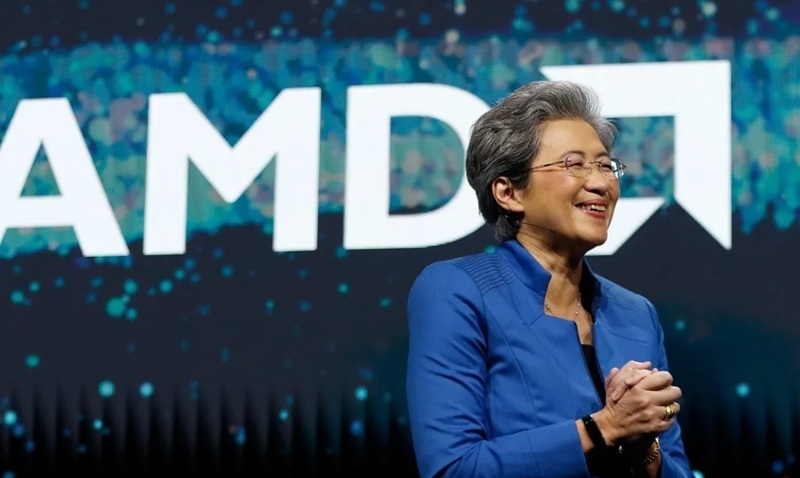
Image Source: AMD
The main complaint of analysts concerns the scheme in which AMD actually pays for the demand for its server chips and AI accelerators. According to Hunterbrook’s calculations, the company has taken on financial obligations to partners that are nearly three times its current cash reserves of $15.8 billion.
In particular, AMD promised OpenAI and Meta✴ the right to buy back up to 320 million of its shares for just one cent apiece if they fulfill purchase plans, and also issued credit guarantees and guarantees for the lease of data centers for $28 billion to customers. Hunterbrook believes that with any slowdown in spending on AI infrastructure, these obligations will seriously hit AMD, since its margin of safety is much more modest than that of Nvidia.
The second part of the investigation is devoted to the risks associated with violating American restrictions on supplies to China. The fund claims that the latest versions of AMD server firmware continue to reach the Chinese server manufacturer IEIT Systems. The latter has been under US sanctions since March 2025. According to Hunterbrook, after the ban was introduced, the mentioned IEIT used at least six updated microcode assemblies.
The report also talks about the high dependence of AMD’s business on China: at the end of 2025, customers from China and Hong Kong accounted for over 22% of the company’s revenue, or $7.75 billion, and the final stages of processor production and testing are largely concentrated on joint ventures in the country.
The analysts themselves admit that the data they collected does not prove a direct violation of American laws, and AMD management has not yet responded to journalists’ requests.
If you notice an error, select it with the mouse and press CTRL+ENTER.