iFixit experts disassembled a 14-inch Apple MacBook Pro with a PROLED XDR touch screen and rated its repairability 5 points out of 10. The design of the computer turned out to be traditionally difficult for the manufacturer, but the new model still received one point more than last year’s on the M5 chip.
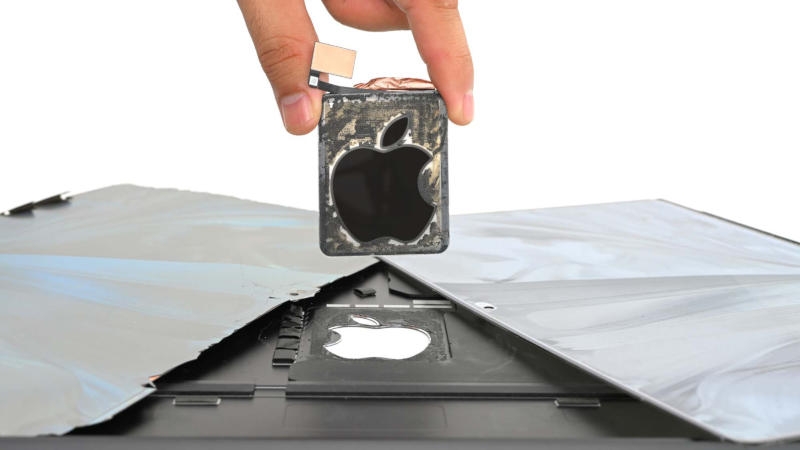
Image source: ifixit.com
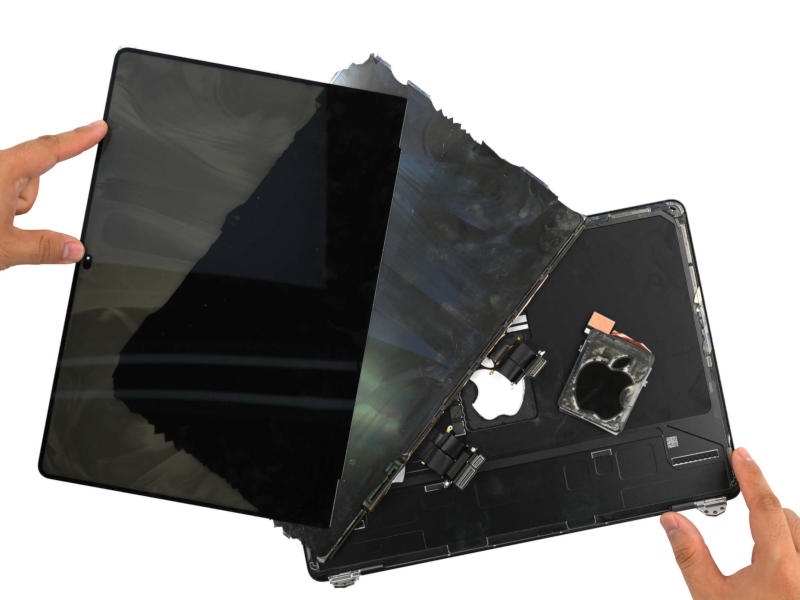
The main innovation was a touch screen based on a two-layer OLED matrix with a refresh rate of 120 Hz and a peak brightness of 2000 cd/m2. Apple returned the glowing logo to the lid of the laptop, and the weight of the computer was about 1.38 kg. Disassembly showed that it is still possible to replace the screen only together with the cover – it is almost impossible to separate the panel without damage: even the company’s craftsmen damaged the OLED layer and the touch surface when trying to remove the glass.
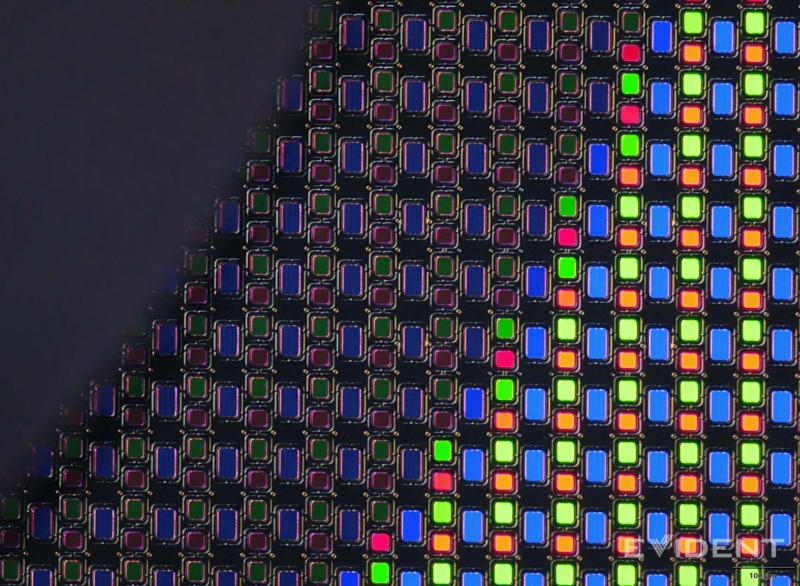
iFixit examined the dual-layer OLED panel under a microscope and found that the blue pixels are significantly larger than the red and green ones, apparently because the former wear out faster. With an increased area, the load is distributed over a larger area of the material, as a result of which the intensity of its use is reduced and its durability increases.
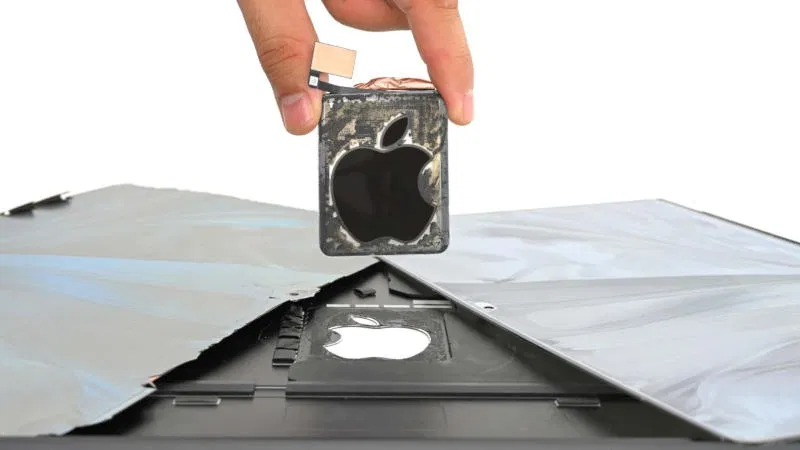
The backlight of the logo is not connected to the screen, as was the case with old MacBooks, where the apple was illuminated by the backlight of the LED screen itself. The new product has four LEDs that direct light onto the reflective layer, after which it passes through the diffuser and evenly illuminates the Apple logo. But repairing the backlight will again require complex disassembly of the cover, so experts advise not to count on simply replacing individual elements.
When checking the replacement of components, an important improvement was discovered: with the installation of a motherboard from another instance, the system recognized the battery, screen and Touch ID sensor; The touch screen, brightness adjustment and True Tone technology worked without additional configuration. We were able to successfully set up the fingerprint scanner.
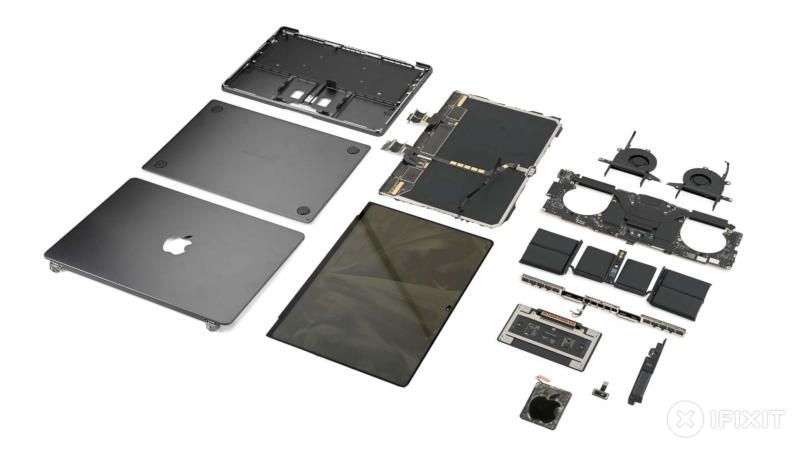
Apple has reduced the weight of the computer mainly due to the case and lid. The lower part of the case became lighter by 92 g, the screen unit – by 101 g. The battery with a capacity of 72.6 Wh remained almost unchanged and retained its weight of 276 g; it is again set on glue, and it is not easy to remove it without damage. Some other design elements remain the same: cooling fans and USB Type-C ports are located under the printed circuit board, so replacing them requires dismantling it.
The HDMI connector and SD card reader are soldered to the board; It will not be possible to replace either the RAM or the drive. The keyboard turned out to be built into the upper part of the case, so it is difficult to replace it yourself. In the inexpensive MacBook Neo, the keyboard could be replaced yourself. The MacBook Pro with PROLED XDR screen received a 5 out of 10 repairability score from iFixit. The company still improved the design of the cover and improved the software for recognizing spare parts; on the other hand, repairs are complicated by difficult access to fans and connectors, soldered components and time-consuming battery replacement.
If you notice an error, select it with the mouse and press CTRL+ENTER.