Among the business connections of the partner of former Nvidia CEO Jensen Huang, Alice Huang, American media discovered remarkable features. If she organized the supply of Nvidia artificial intelligence accelerators to China, then her husband Kang Wei, with government support, was engaged in the construction of data processing centers in the country.
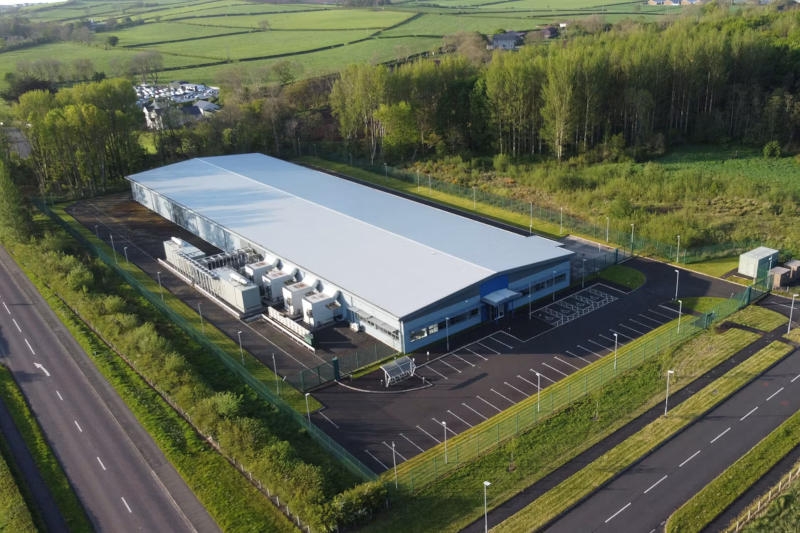
Image source: Geoffrey Moffett / unsplash.com
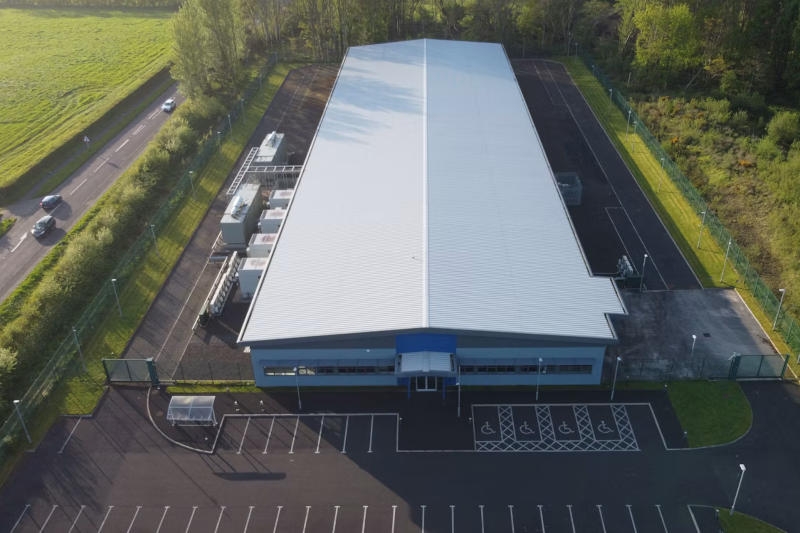
Kang Wei is the founder of Shanghai-based Hexi Capital. Between 2021 and 2024, its data center projects attracted $9 billion in investment, with a significant portion of that coming from the Chinese government. The key link in the scheme was Century Longteng, headquartered in Shanghai. Its shareholders include a government agency in Shanghai (10%), an investment company created by the private equity arm of Hexi Capital (27%), and China’s Century Huatong (63%) listed on the Shenzhen Stock Exchange.
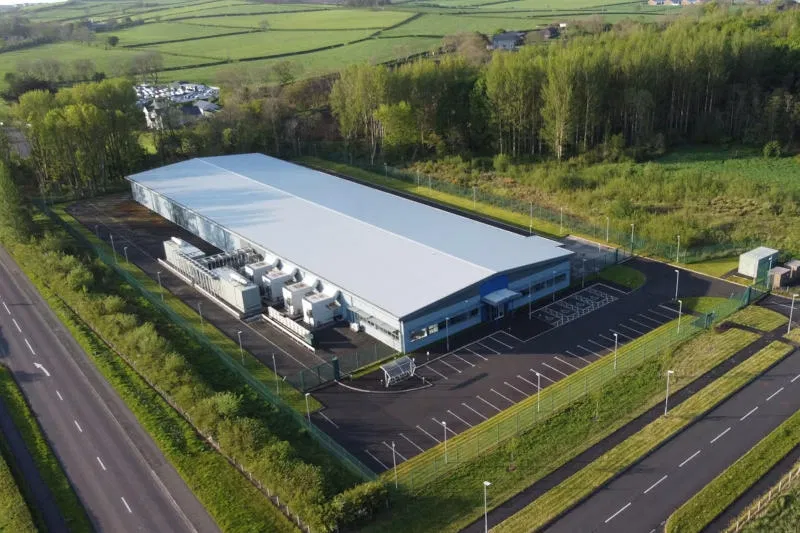
According to him, it was he who introduced Alice Huang to the head of Nvidia. In early 2022, Century Longteng signed a framework cooperation agreement with Huawei to jointly develop cloud data centers and computing power. Century Longteng has received a number of government-backed projects, including the Intelligent Computing Industrial Park in Wuhu (Anhui Province) with an investment of about $4.5 billion. The plan involves the construction of eight data center buildings with a total area of about 380 thousand m². The project is part of the state program to transfer China’s computing power from the east to the west of the country.
As of April of this year, the completion of the construction of at least one building with an area of about 46.5 thousand m² was registered. In April 2024, Kang took part in the groundbreaking ceremony for a large data center in Liangshan (Sichuan Province) – the volume of investment in the project will be about $5 billion. Megaspeed in 2023 reported to Nvidia that Alibaba would become its major client; subsequently, the Singaporean data center operator received the status of Nvidia cloud partner, providing itself with priority access to the company’s equipment.
That same month, Huang stepped down as a registered director of Megaspeed due to a capital restructuring, but she and the Nvidia chief remained in touch. They were photographed together at a restaurant in Singapore in late 2023, and at Computex in Taipei the following year. The volume of purchases, according to American media estimates, ranged from $4 billion to $7.5 billion – we are talking about powerful models, including the H100 and H200, which are subject to export restrictions, and some of them were delivered to China. At the same time, there is no data in open sources confirming that Beijing gave Megaspeed instructions to purchase Nvidia equipment; There is no confirmation that they ended up in data centers associated with Kahn.
A joint statement published yesterday by the US Department of Commerce and the US Department of Justice states that the investigation into Megaspeed has been ongoing since 2024 – the company is suspected of illegally transporting semiconductor products. In June 2025, Nvidia blacklisted Megaspeed and banned sales.
In February 2025, Singapore authorities initiated an investigation into Megaspeed, but there was insufficient evidence to classify the actions of Alice Huang, who was suspected of providing false data when purchasing servers, as a criminal offense. She was given a stern warning and banned from entering the country – Megaspeed reported that Huang left the company on August 30, 2025, and the activities of the company itself are legal and meet established requirements. Kang was also detained in Shanghai this year as part of an investigation into stock manipulation, but was recently released.
Meanwhile, as part of an AI server smuggling case in Taiwan, an Nvidia manager named Chang was detained for allegedly helping to obtain approval for a local operator to purchase 130 high-performance AI servers. As it turned out, this operator did not have the capacity to deploy this equipment in Taiwan, and the money came from Chinese structures. According to investigators, 74 servers went to China, and another 56 were intercepted by the coast guard in May. In July, Chan was arrested, and in August he was charged with breach of trust – in total there are nine defendants in the case, for whom the prosecutor’s office requested the maximum sentence of five years in prison.
Nvidia expressed disagreement with the charges to the Taiwanese authorities and also sought advice from TSMC, but neither the country’s authorities nor the semiconductor contractor chose not to intervene. Nvidia, however, insisted that it conducted an internal investigation and found no indication that its employees knew about the transfer of chips to a third-party company. After Huang’s resignation, even if the company’s new management sticks to its previous course, the company will temporarily refuse to enter into such deals, analysts say.
If you notice an error, select it with the mouse and press CTRL+ENTER.