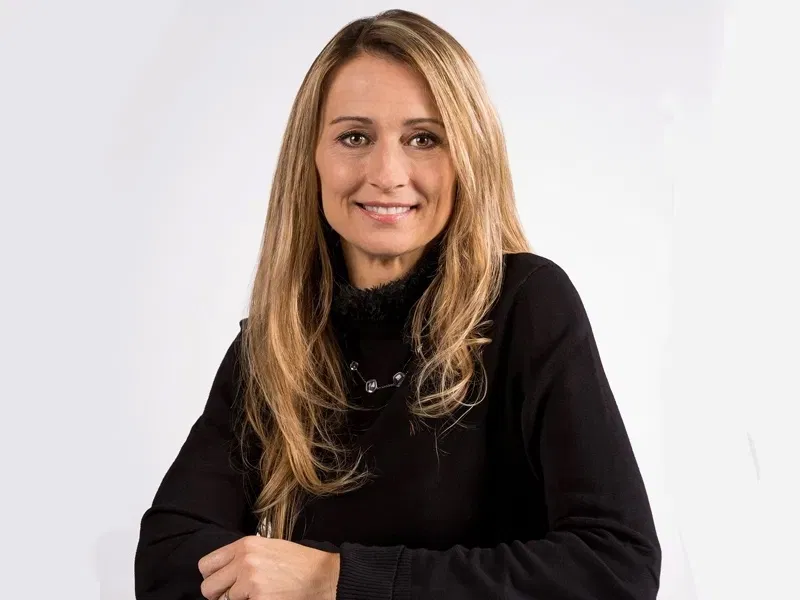
Before leaving his post as head of Nvidia, Jensen Huang criticized and disparaged CFO Colette Kress. Ironically, it was she who eventually took his place as acting CEO.
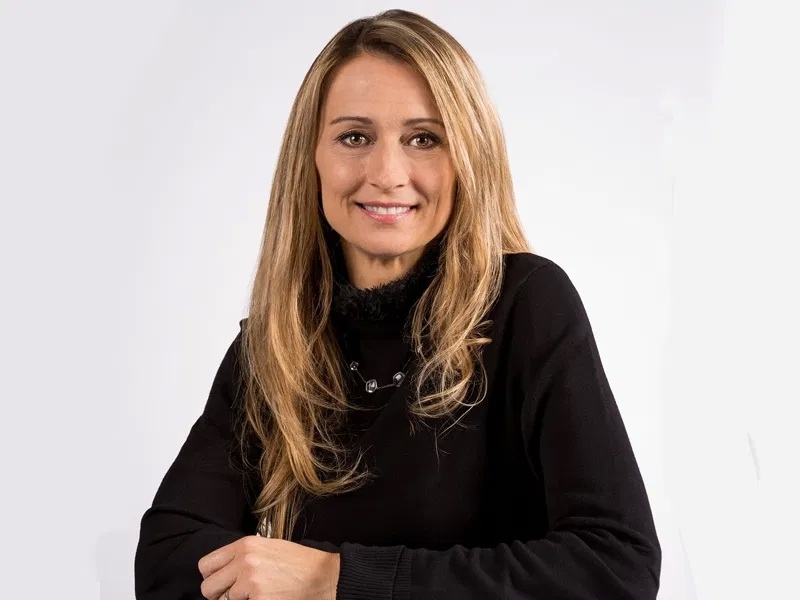
Image source: Nvidia
According to The Wall Street Journalin the spring, Huang’s son-in-law, vice president Nico Caprez, began offering credit support to start-up cloud providers and data center developers in hopes of turning them into long-term customers. During the launch of the program, Kress tried to limit Caprez’s actions and also raised questions about how to select deals, evaluate financial guarantees and calculate return on investment.
Nvidia continued to develop the program anyway and entered into negotiations with OpenAI about financial support for the largest data center construction deal in history. At issue was a giant complex in Ohio that OpenAI planned to lease and fill with about $300 billion worth of Nvidia chips, with Nvidia’s guarantees supposed to convince banks to finance the project.
In August, Huang called Kress and senior financial executives into a meeting to discuss the growing problem with multibillion-dollar guarantees for companies that could not independently finance purchases of Nvidia chips. According to a WSJ source with knowledge, he interrupted Kress’s speech at that meeting, calling her a “deer in the headlights” (that is, completely confused) and a CFO who prepares reports rather than helping set strategy and make decisions. According to Huang, large cloud providers planned to use alternative chips and reduce dependence on Nvidia. At the same time, an “avalanche” of large volumes of semiconductor wafers and memory was approaching the company, which it had previously agreed to buy.
Negotiations dragged on until the end of summer. On July 26, The Wall Street Journal reported that Nvidia was considering issuing $250 billion in guarantees, after which the company’s shares fell 5% the next day, losing $250 billion in market value. Although the parties were close to closing the deal, over the next two weeks Kress achieved a renegotiation of its terms and a significant reduction in Nvidia’s initial financial obligations. On August 17, the company entered into agreements with developer SB Energy, limiting the scope of guarantees for the first stage of the project to $105 billion.
Soon after this, Huang himself demanded that employees develop a system for assessing the feasibility of such guarantees, taking into account future sales of chips, and at the end of August, Nvidia suspended some of the transactions for credit support for cloud providers, transferring them for additional review to management and the board of directors. At the same time, Kress publicly defended Nvidia’s role as a “banker” for the AI industry against critics who said that artificially maintaining demand makes the company vulnerable to a market downturn. The CFO called these deals smart investments. She previously said she came to Nvidia because of Huang’s “visionary” and a corporate culture that she described as “egoless.”
Now Kress, who has taken over as interim CEO, will have to stabilize the company, which is under the radar of federal and internal investigations. One of the world’s largest corporations had no obvious successor to Huang. Nvidia said it will be looking for a new CEO from both internal and external candidates. In a memo to staff on Thursday, Kress spoke highly of Huang and vowed to continue “building on the exceptional foundation that Jensen has laid over the past 33 years.”
Huang himself left his post as CEO of Nvidia on November 12 amid a rapidly growing scandal surrounding his personal life. After the public admission of infidelity to his wife, the media reported a total of three alleged extramarital affairs: with former top manager of the Singapore company Megaspeed Alice Huang (no relation), whom US intelligence agencies suspect of working for Chinese intelligence, with Nvidia vice president of healthcare Kimberly Powell, and also, according to Reuters, with another unnamed employee companies. At the same time, the US Department of Justice stated that it had not yet come to a conclusion about whether Alice Huang was a Chinese spy.
Amid concerns about possible technology leaks to China, three US House committees requested a closed briefing from Huang. It was originally proposed to be held on November 18, and the head of the Foreign Affairs Committee Brian Mast declaredthat Huang had tentatively agreed to perform before Thanksgiving (November 26). However, after his resignation, congressmen sent a second letter demanding that he appear for a closed interview with transcript recording. December 1 under threat of issuing a mandatory subpoena. In addition, Huang was asked speak Dec. 3 before the Senate Banking Committee.
If you notice an error, select it with the mouse and press CTRL+ENTER.