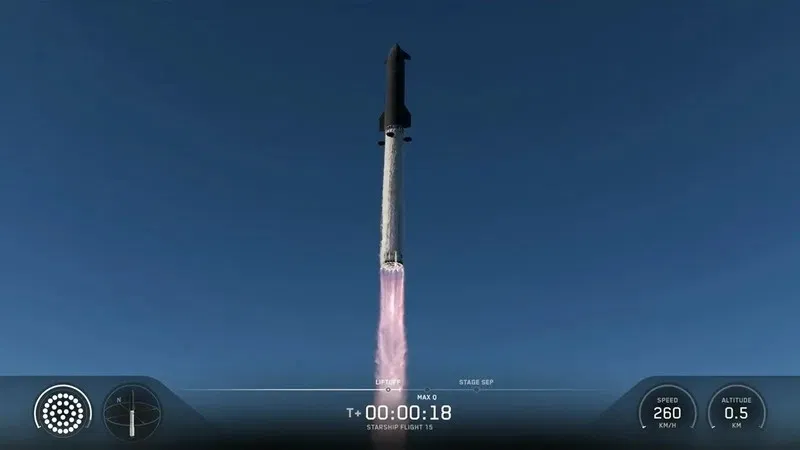
SpaceX launched the Starship super-heavy rocket into space on its 15th test flight. The launch took place on November 13 from the Starbase site in Texas. For the first time, the company intended to return both stages of the rocket – the Super Heavy booster and the Starship – to the launch pad by catching them with mechanical manipulators. The attempt to land the first stage was canceled: the Booster 22 booster splashed down in the Gulf of Mexico.
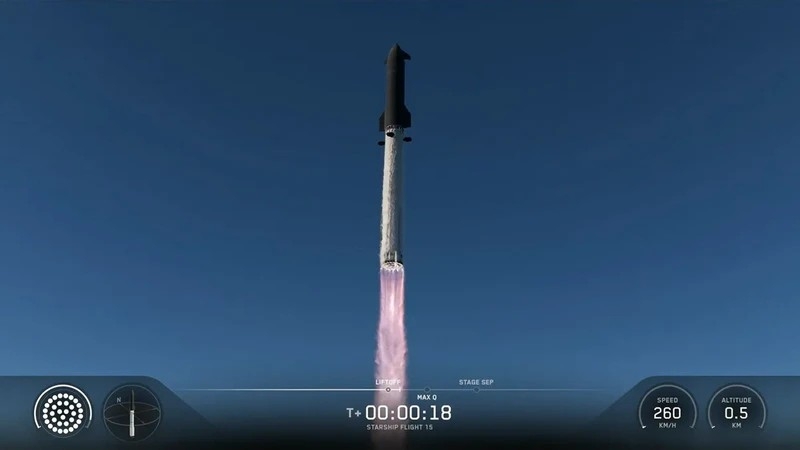
Image source: SpaceX
Approximately three minutes after launch, the stages successfully separated. The Super Heavy booster began its return to Earth, but during its flight to the launch tower, SpaceX canceled its planned capture. The exact reason for this decision has not yet been reported. Company spokesman Dan Huot said experts would look into what led to the cancellation of the landing attempt. As a result, the booster splashed down in the Gulf of Mexico.
Ship 42’s upper stage, meanwhile, successfully completed its climb and shut down all six Raptor engines. The ship entered orbit, where it will deploy 26 Starlink satellites. Thus, despite the failure to return the booster, the main part of the Starship flight is still going according to plan.
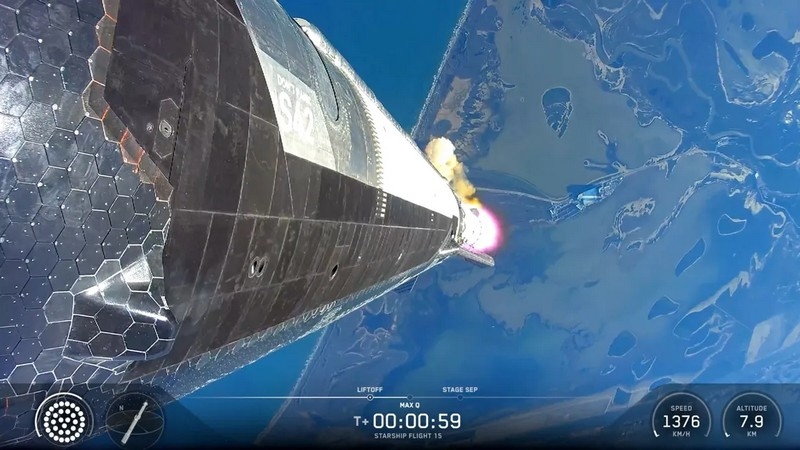
The next major phase of the mission is the deployment of the Starlink V3 satellites approximately 90 minutes after launch, after which the spacecraft will continue its flight and prepare to return to Earth.
If all goes according to plan, Starship will spend about 22.5 hours in space and make 14 orbits around the Earth. SpaceX plans to try for the first time to catch the upper stage of Starship with the launch tower’s manipulators.
Will be added…
If you notice an error, select it with the mouse and press CTRL+ENTER.