
The Flipper One laptop raised more than €10.7 million on Kickstarter in just the first 24 hours. At the same time, the initial goal of the developers from the company Flipper Devices was about €273 thousand. The device runs Linux and is intended for cybersecurity specialists and radio enthusiasts.

Image source: techspot.com
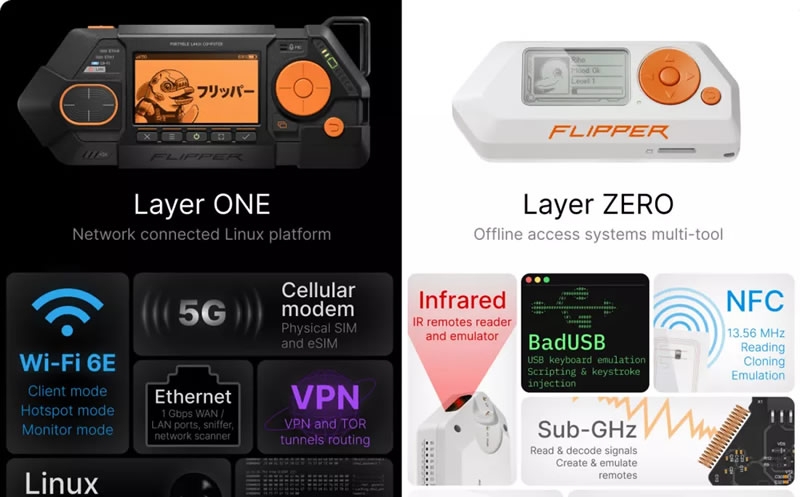
Flipper Devices emphasizes that the new product is not just a more powerful version of Flipper Zero. The previous model is built on a low-power microcontroller and is designed to interact with NFC, RFID, radio signals in the range below 1 GHz and UART serial interfaces. Flipper One is designed for a higher level of networking and work with virtually any device that has an IP connection.
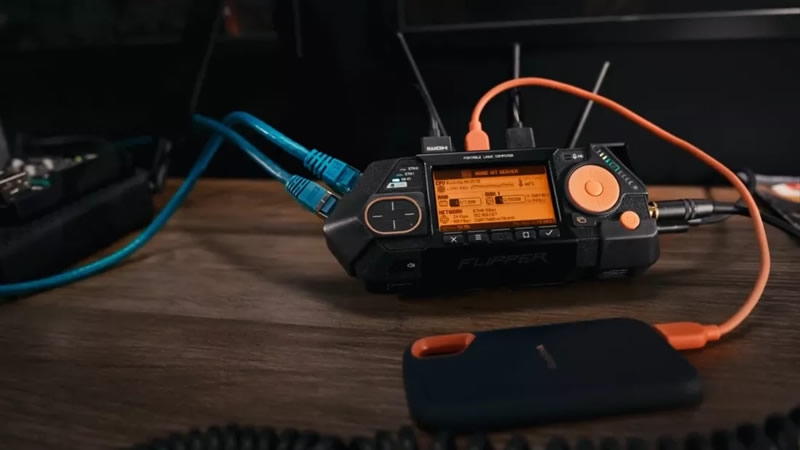
The hardware platform combines an 8-core Rockchip RK357 processor with an additional Raspberry Pi microcontroller (RP2350), which allows the device to remain operational even if Linux itself is completely disabled. The computer runs a mainstream Linux kernel and is powerful enough to run wireless applications and local AI models.
Among the capabilities of Flipper One are stated to analyze network traffic, scan networks, tunnel connections and work with wireless signals. The device supports Wi-Fi, Ethernet, 5G and satellite communications, and also allows you to connect external hardware modules, custom cellular antennas and modems. To expand the configuration, a high-speed internal M.2 connector is provided, and the monitor is connected and switched to desktop mode via USB-C.
On Kickstarter The device is offered for $399, which is 25% cheaper than the estimated retail price. At the same time, the developers note that they will receive virtually no profit from pre-orders at this price due to the ongoing memory shortage associated with artificial intelligence.
Deliveries to most regions of the world are scheduled to begin in July 2027, although component shortages may result in delays.
If you notice an error, select it with the mouse and press CTRL+ENTER.