A class-action lawsuit accusing Samsung, SK hynix and Micron of deliberately limiting the supply of random access memory (DRAM) remains in court. On November 14, a U.S. District Judge for the Northern District of California denied the companies’ joint motion to dismiss the case, ruling that the lawsuit alleges a reasonable allegation of an agreement that violates Section 1 of the Sherman Act.
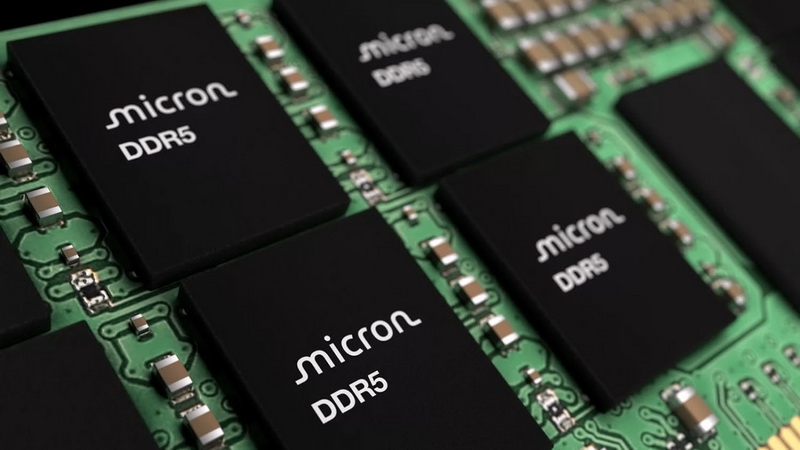
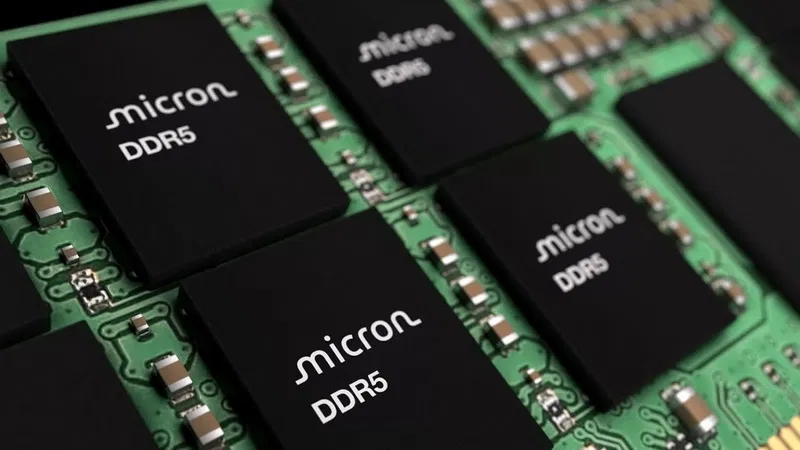
Image source: Micron
The lawsuit, filed in June by a group of 17 consumers and small businesses, alleges that the three companies—which accounted for more than 91% of global DRAM revenue in the third quarter of 2025—coordinated production cuts that began in late 2022. According to the lawsuit, they redirected production capacity to produce HBM memory, while prices for conventional DRAM memory increased by 697% in 18 months. Of course, we are talking only about the preliminary stage of the trial, and so far none of this has been proven.
The companies insisted that the current lawsuit is a repeat of a case involving supply cuts between 2016 and 2018 (that lawsuit was dismissed by the Ninth Circuit Court of Appeals in 2022). The judge did not agree with this argument, pointing to new circumstances: the conclusion of long-term contracts for the supply of HBM; Samsung and SK hynix’s anticipated withdrawal from long-term agreements with conventional DRAM customers; Micron’s closure of the Crucial brand; and the implementation of virtually identical customer screening procedures by all three companies in January 2026. The judge also played on the comparison with “hawks” proposed by the defendants themselves, noting that the described actions are more reminiscent of “hawks flying in formation.”
The companies now have until December 7 to file a response to the claim, and the first organizational hearing in the case is scheduled for January 12, 2027. The judge also considered it appropriate to take into account the precedent of a cartel in the DRAM market that existed between 1998 and 2002. Then Samsung and SK hynix were fined, and Micron received immunity from prosecution.
The new trial will not lead to an increase in the physical volume of chip production. And since the CEO of SK hynix predicts that shortages will continue until 2030, you shouldn’t count on memory prices falling in the near future either.
If you notice an error, select it with the mouse and press CTRL+ENTER.