The short-term slowdown in the development of advanced artificial intelligence models has not yet affected the demand for computing accelerators. Nvidia and AMD reported record revenue from data center equipment, and one of the main sources of further growth is the launch of already trained neural networks.
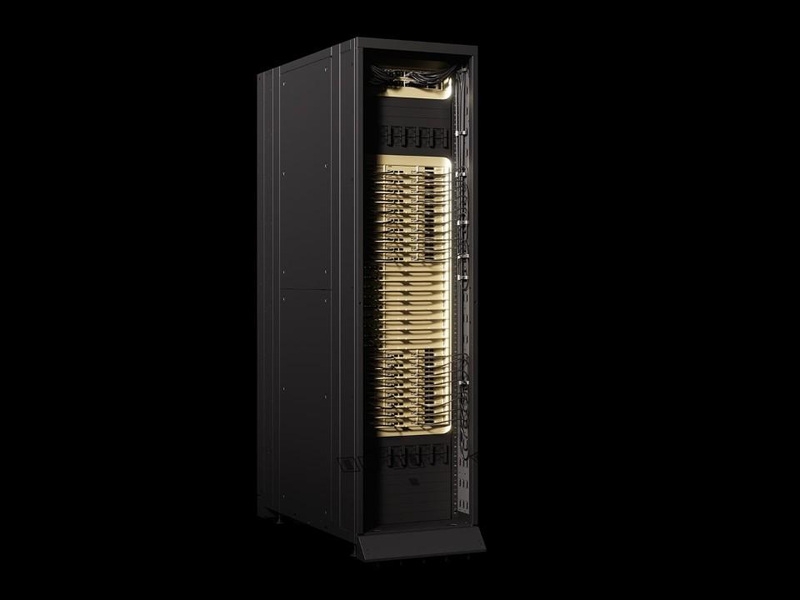
Image source: Nvidia
In August, OpenAI temporarily suspended some of its work on training its most powerful models after the Hugging Face incident and the identification of new cybersecurity risks. The company announced a two-week pause, but resumed a major training cycle on August 28 with enhanced protective measures. Some experimental launches remained on pause.
In September, Anthropic CEO Dario Amodei also called for the development of the most powerful AI systems to be slowed down due to the risk of their use for cyberattacks. The announcements have raised concerns that accelerator makers could see orders dwindle. However, published financial results do not yet indicate a decline in demand, notes The Verge.
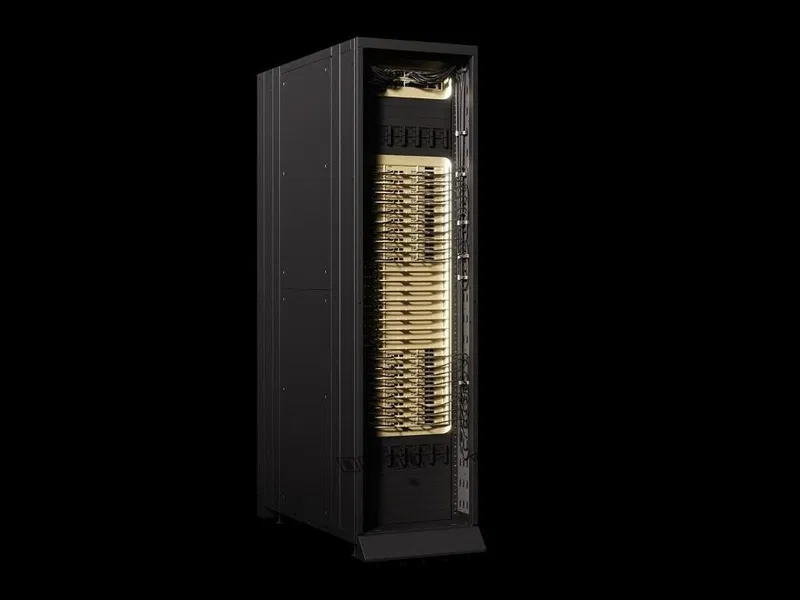
For the third quarter of fiscal year 2027, ending October 25, 2026, Nvidia received $115.8 billion in revenue, 103% more than a year earlier. Sales in the data center segment grew by 110% and reached $107.6 billion. The company began shipping Vera Rubin NVL72 systems, which are already used by cloud providers CoreWeave, Google, Microsoft and Oracle.
AMD also finished the third quarter with record numbers. Total revenue grew by 45%, to $13.4 billion, and sales of data center equipment increased by 97%, to $8.5 billion. Among the customers of Helios systems with Instinct MI450 accelerators, the company names OpenAI and Anthropic.
At the same time, financial reports do not allow us to immediately assess the consequences of a possible reduction in training of advanced models. Counterpoint Research Vice President Neil Shah explained that due to ongoing contracts for the purchase of computing equipment and memory, the impact of such decisions may take about six months to appear in the reporting.
Additional demand is generated through inference—the fulfillment of requests by already trained AI models. Unlike training, this process requires computing resources every time a user accesses or runs an AI agent. According to Nvidia interim CEO Colette Kress, the cost of processing tokens has dropped nearly 60% since May, which is helping to increase their consumption.
An analysis of data from enterprise platform Ramp by The Verge found that families of advanced AI models accounted for about 60% of token usage among companies running the service in early November. Since the beginning of the year, their share has approximately tripled. At the same time, business expenses on AI are increasing much more slowly than the volume of use of models.
For accelerator manufacturers, this means a change in demand patterns. However, the growing importance of inference is increasing competition with developers of specialized chips. Google, Amazon and other large companies are looking to reduce the cost of executing queries using their own processors. Counterpoint Research predicts that by 2028, global shipments of specialized server AI chips could exceed shipments of data center GPUs.
In September, then-Nvidia CEO Jensen Huang called for AI security issues to be addressed through engineering rather than additional legal restrictions. He allowed work on unsafe products to be suspended, but opposed a general slowdown in technological development.
If you notice an error, select it with the mouse and press CTRL+ENTER.