
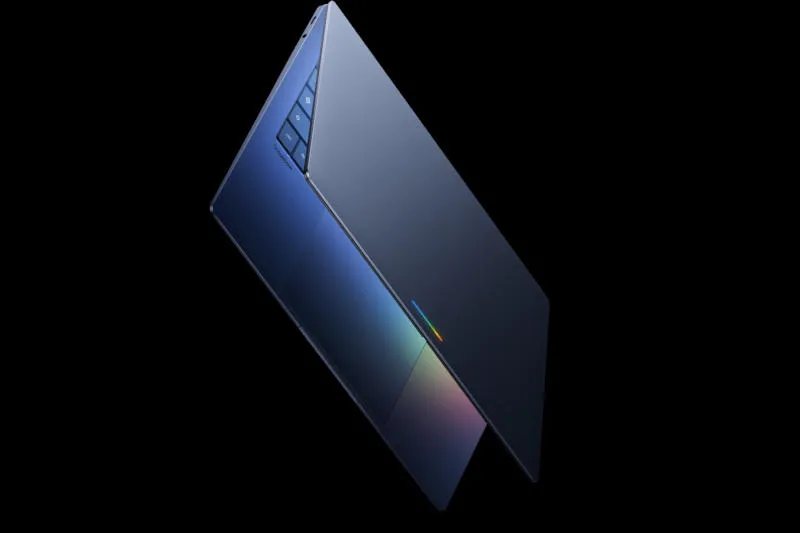
The first Chromebooks were strictly budget devices. These are low-power devices in plastic casings, which gives the whole program a corresponding reputation—not even the direction of the flagship Chromebook Plus model can rectify it. With the launch of Project Googlebook, the company decided to take the exact opposite approach.
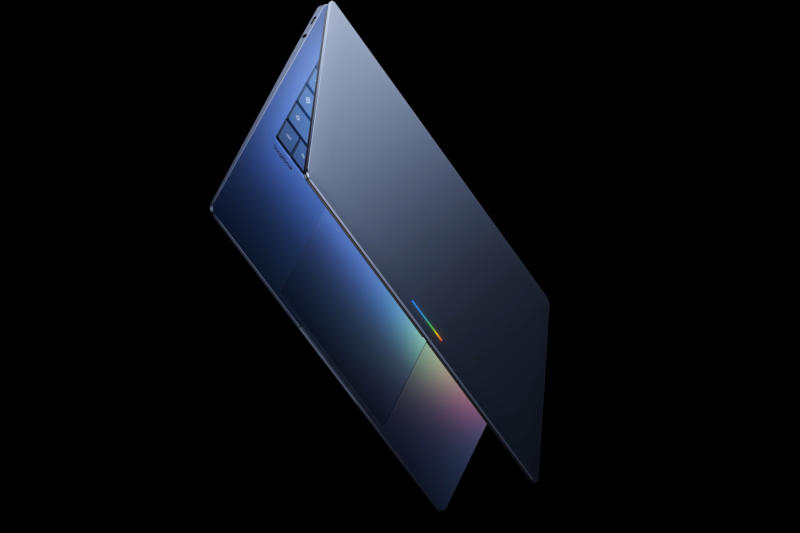
Image source: googlebook.google
The new approach to the Googlebook project has been confirmed by leaks of the first devices: the Asus CX9406 weighing less than 1 kilogram and equipped with 64 GB of RAM, and the Dell XPS 13 with a Snapdragon X Elite chip. These flagship devices will attract attention early on, but there’s only one market segment where new platforms won’t survive. The computers will be spread across three parts, Google indirectly confirmed in its job posting: A senior product manager for Android, laptops and tablets will be responsible for “Strategy to define the consumer and enterprise Android PC portfolio, resulting in a range of devices at different levels (Chromebook, Chromebook Plus, AL Entry, AL Mass Premium and AL Premium) that meet user and enterprise needs”.
Information about the HP Googlebook 14c TPN-H111 laptop, codenamed Quartz, confirms the plan, and the laptop will be launched as the HP 14-inch Aluminum Premium Book. Within the ecosystem, these three parts will be distributed as follows:
- AL Premium is a flagship segment whose products will debut this fall; they are known for high-quality materials, OLED panels, high-end processors (Intel Panther Lake Core Ultra 7, Qualcomm Snapdragon X Elite / Snapdragon X2, MediaTek Dimensity CX) and stringent hardware requirements;
- AL Mass Premium is the best choice for mass consumers and enterprises, designed to offer a balance between 8-core processors (such as Qualcomm Snapdragon X Plus and Intel Core Ultra 5), powerful 45 TOPS neural processors, long battery life and an average price tag;
- AL Entry is the primary tier for consumers and educational institutions, with cost-optimized processors designed to make laptops affordable, with native Android desktop apps and core Gemini functionality.

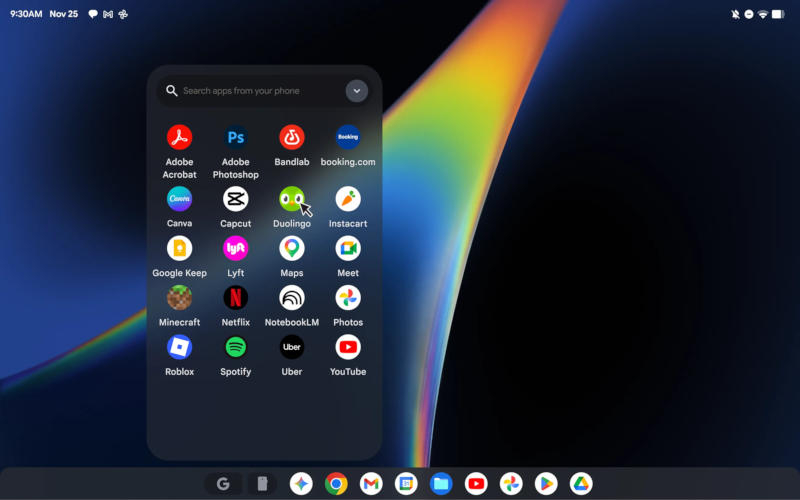
Google Vice President John Maletis said that launching the new plan at the AL Premium level is a well-thought-out and necessary step. To convince developers to build adaptive, keyboard- and mouse-optimized interfaces for resource-intensive applications like Adobe Premiere Pro and Canva, Google must prove that the Googlebook is a full-fledged workstation with performance comparable to that of Apple MacBooks and Windows-based Copilot+ PCs powered by M-series chips. Google equipped its first machines with 32 to 64 GB of memory, high-resolution OLED displays, and powerful neural processors, setting a high standard for performance and hardware quality from day one.
In the future, the Googlebook AL Mass Premium mid-range machine will occupy a larger market share than the flagship machine. In the Chromium Gerrit environment, Qualcomm Snapdragon X Plus development boards code-named Annite and Pic appeared – they are equipped with an 8-core central processor and AI accelerator, with 45 TOPS performance, reaching the level of the flagship 12-core Snapdragon X Elite. The advent of the AL Entry segment suggests there will be a mature successor to affordable Chromebooks for consumers and educational organizations, but overall, Google paints a future where aluminum OS is spread across the entire price range.
If you find an error, select it with your mouse and press CTRL+ENTER.