
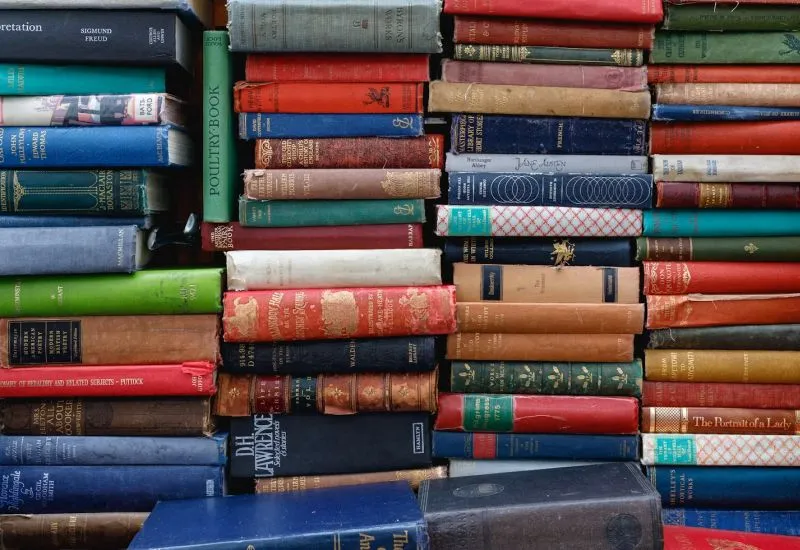
Late last month, reports surfaced that developers of artificial intelligence models were using scanned paper books to train them, although the publication itself did so in a rather unceremonious manner, effectively tearing them into individual pages to make them easier to scan. As a recent experiment shows, online giant Amazon is doing something similar.
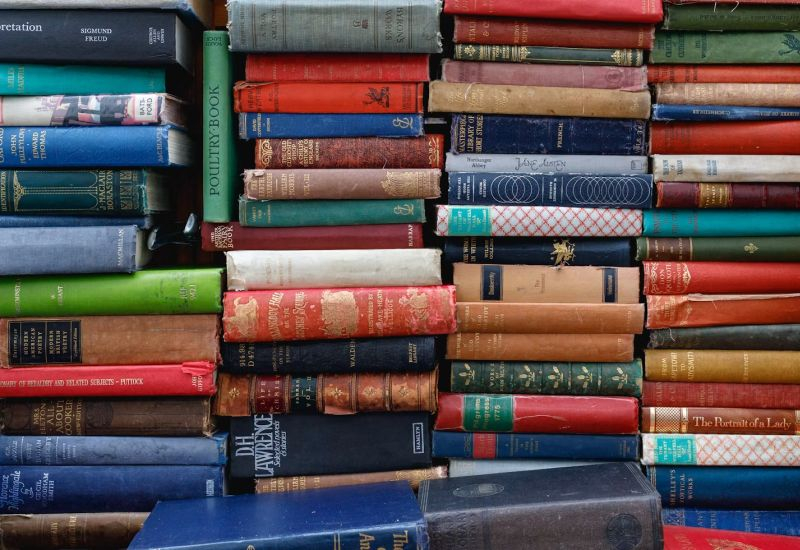
Image source: Unsplash, Ed Robertson
This sounds pretty blasphemous considering Amazon originally sold books through its online store. as explained technical artRepresentatives from 404 Media then sought assistance from a print seller to test their hypotheses about current practices for training AI models. As part of a large batch of books, the customer received a copy of a rare publication, to which the seller attached an AirTag tracker at the request of the journalist. The route taken by the books led investigators to an Amazon facility in Las Vegas, where artificial intelligence models are trained. The most ironic thing is that there is an image of a tyrannosaurus on the warehouse door preparing to tear the book into pieces, which once again confirmed the suspicion of the experiment author.
Amazon representatives issued public comments in which they explained that books are purchased on the open market to “improve the products and services the company offers.” In theory, using rare text to train AI models could give developers some advantages due to higher-quality input. Because of this, Amazon may be reluctant to comment on such practices. Competitors such as Anthropic and xAI have dismissed this approach to training artificial intelligence models — at least for rare and antique books.
404 Media also found discussion on online forums about the lack of rare books available for scanning by VGT3 warehouse staff who perform such work. They fear that if the process of disposing of the books is stopped, they could end up on the streets. Furthermore, employees of the business are not too worried about the brutal treatment of books, pointing out that one of the advantages of such an event is the flexible working hours.
Scan the ISBN code to select the book for purchase, which contains information about the publication’s circulation and other information. Rare books are given priority, but considering that they are effectively destroyed after scanning, this becomes an irritant for lovers of paper publications. Book sellers make a fortune selling collector’s editions of books to companies that train artificial intelligence models on them, but it’s foreseeable that global book inventories will be affected by this practice. Barriers to the process so far have included books of limited monetary value—for example, publications that have never been translated into other languages, have limited circulation, or are simply not in high demand. Regardless, even a book like this can have historical and cultural value.
On the pages of Reddit, the whole situation sparked heated discussions, as opponents of this practice talked about the risk of “washing” historical facts from the public space if rare publications were digitized in this way and settled in the infrastructure of AI providers, without everyone having direct access. As booksellers attest, the threat to rare editions from continuing this practice of handling printed texts remains. Not wanting to waste time and energy discussing the ethical aspects of such activities, the developers of the AI model are simply trying not to advertise at this time.
If you find an error, select it with your mouse and press CTRL+ENTER.