


During the Busan Indie Connection Festival 2026, held in South Korea from August 14 to 16, former PlayStation executive Shuhei Yoshida spoke to indie game developers, sharing tips on how to choose a publisher and successfully market your game. As part of his talk, Yoshida also shared stories about his career as a consultant to publishers, including Clair Obscur: Expedition 33 publisher Kepler Interactive.
When asked how much game publishers care about following trends, Yoshida said that in his experience it depends on whether a particular publisher takes over a nearly-finished game or spends years creating a project from scratch. In the first case, following trends is usually considered, while in the second case, not, since everything that is currently popular will be outdated by the time it is released anyway.
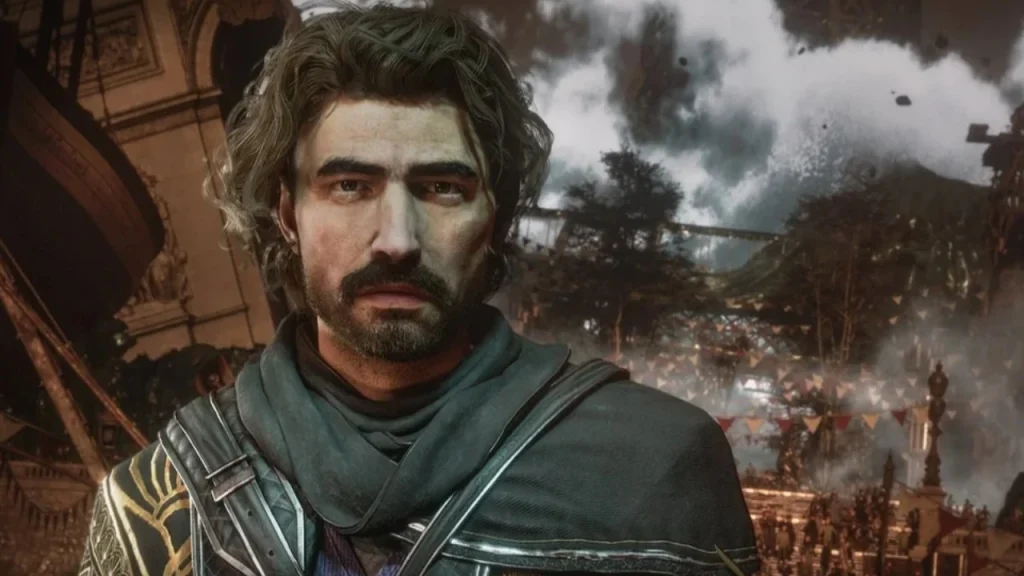
Yoshida illustrates this point with an episode from the development of Clair Obscur: Expedition 33. As a consultant for Kepler Interactive, he tried out the game’s demo about two years before its release. Yoshida was immediately impressed by the combat system, which he described as “a combination of turn-based JRPG mechanics and real-time action, reminiscent of Dragon Knight Legend (which he created)”.
However, despite Yoshida’s personal impressions of the gameplay, he noted that turn-based JRPGs were considered an outdated trend at the time, so he advised developer Sandfall Interactive not to label it as such. “This game is very well made, but it’s best not to call it a turn-based RPG. That alone may cause players to ignore it.” Therefore, the brand adjusted and added terms such as “reactive turn-based combat.”
Yoshida said that after Expedition 33 became such a popular game, the publisher seemed to keep getting proposals for turn-based role-playing games. He sees this story as a clear example that simply following market trends does not guarantee success.