
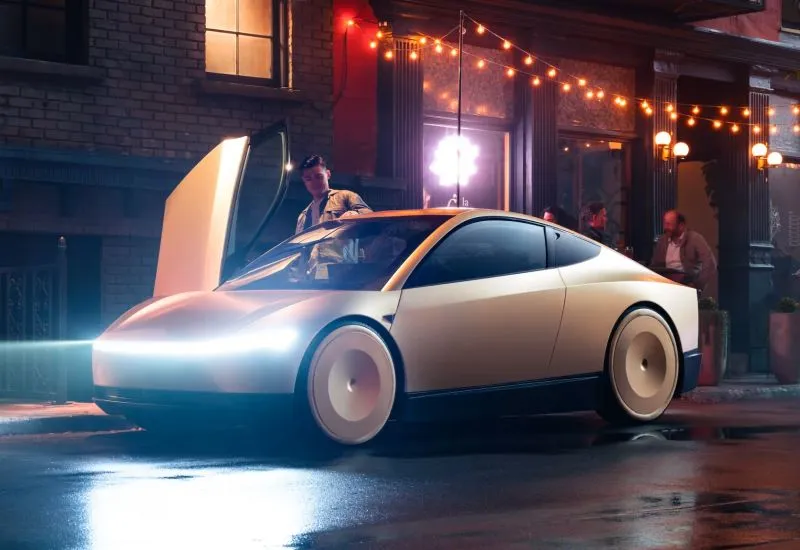
Tesla has been focusing on developing self-driving taxi services over the past few years. Its base version has been running since last June, but the soft-boiled version of the production Model Y electric car has long hinted at a safety observer in the front passenger seat. Just this month, specialized Cybercab robotaxis without steering wheels or pedals will come online in Austin, but for now they can only transport company employees.
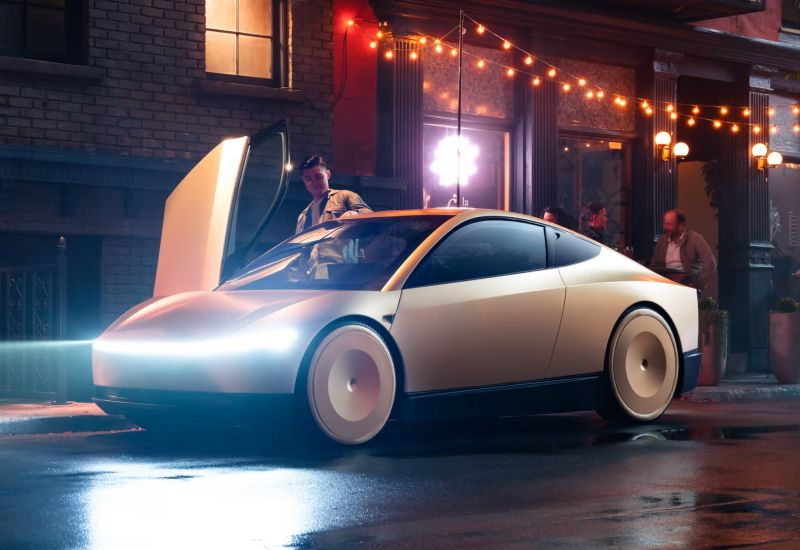
Image source: Tesla
At least, Tesla has informed the latter of the impending opportunity, according to the publication. information. Mass production of the Cybercab began this year, but for a long time it was unclear in what form these two-seater electric cars with large luggage compartments would come online, as the lack of a steering wheel and pedals was a limiting factor in the operation of such vehicles from the perspective of U.S. regulators.
It is reported that the experiment in the capital of Texas, where Tesla is headquartered, will develop quite quickly. Soon, company employees and ordinary residents will also have the opportunity to travel in Cybercab on public roads in the city. City officials have confirmed that the city’s emergency services have been trained to effectively handle ride calls in the event of a breakdown or fire. Tesla has been using the vehicles to transport employees in closed areas since last month. The company was supposed to launch a Cybercab-based driverless taxi service by the end of August, but that deadline may be pushed back further. Through August 23, Robotaxi customers are invited to enter a drawing to win an invitation to the Cybercab series launch event.
Meanwhile, Nevada authorities reportedly allow Tesla will begin operating just 10 robotaxis in the state, although the company’s application requested approval for a fleet of 5,000 vehicles. In addition, these taxis will not be able to serve passengers at Las Vegas International Airport and will be limited to a maximum speed of 72 kilometers per hour. Clark County’s service area will also be limited to specific areas. Each vehicle must have signs on it to show it is autonomous, and Tesla must have constant human supervision of the car’s movement. The company must inform customers of the service in advance that they will be traveling in driverless taxis. Expanding the taxi fleet beyond the approved ten vehicles will also require new approvals. It should be noted that in fact, even in the Texas capital, where Tesla robotaxis have been operating since June last year, their number currently does not exceed 20. In that sense, expanding into Las Vegas would significantly expand the company’s fleet of self-driving taxis.
If you find an error, select it with your mouse and press CTRL+ENTER.