


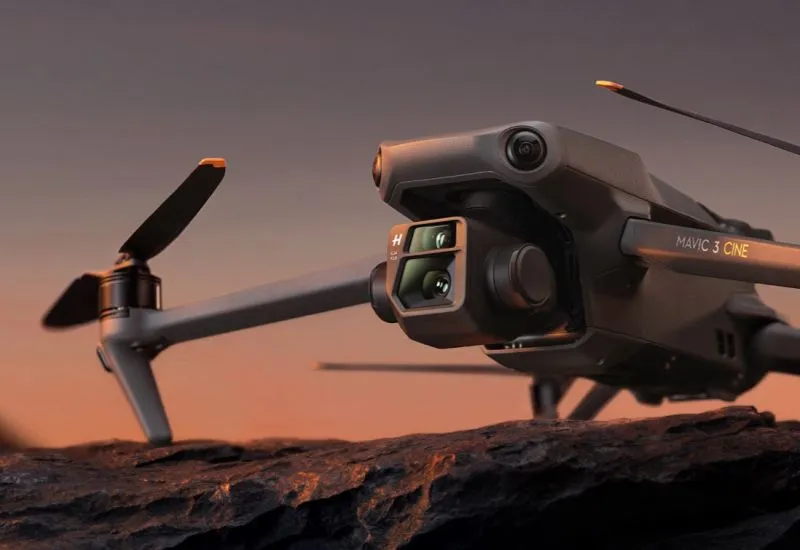
Since October 2022, the Chinese company DJI has had to contend with a decision by the US Department of Defense to admit that the drone manufacturer assists the Chinese military, while since December the US Federal Communications Commission (FCC) has banned new DJI drone models from entering the US market. The company successfully challenged part of the regulator’s decision.
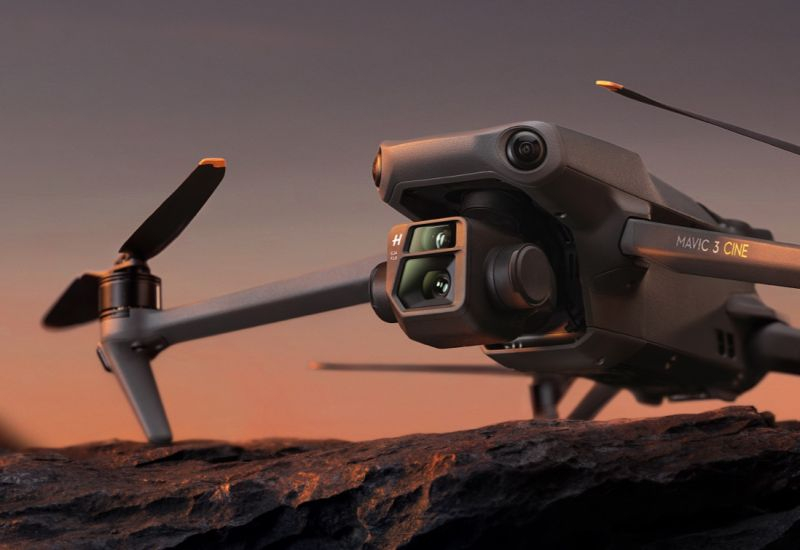
Image source: DJI Innovations
as explained Tom’s HardcoreOn Friday, a U.S. appeals court found that a lower court’s argument supporting DJI’s status as a company tied to China’s defense sector was insufficient. The appeals court said that at a previous stage, the judge simply upheld the government agency’s decision without familiarizing himself with the confidential section of the report that set out the arguments in support of the appointment.
The three-judge panel rejected DJI’s appeal on other grounds, forcing the company to remain on the Pentagon’s blacklist pending a retrial by a lower court. DJI representatives expressed the hope that the Court of Appeal’s stance would increase opportunities to challenge the original verdict. Judge Bradley Garcia found that the U.S. Department of Defense’s argument about DJI’s relationship with China’s defense sector lacked sufficient justification in the public part. The department’s December 2024 report contains only the following phrase: “DJI Innovations helps China’s defense industry”but all the text that follows is blacked out and cannot be read in open source.
According to the appeals court, District Judge Paul Friedman, who ruled against DJI last September, was never briefed on the confidential portions of the Pentagon report on the matter. His position was based on other information in the case, which violated the principles of the fair operation of the American justice system. The panel of judges upheld the argument that DJI received support from Chinese authorities in the form of subsidies and other benefits, and the court did not consider attempts by company representatives to deny this.
DJI’s dominance of the global drone market also works against DJI, as the defense is likely to bet that a U.S. ban would cause significant harm to business. According to data obtained by the court, the company holds 70% of the global drone market, and its share in the consumer sector reaches 90%. The court said the loss of contracts with U.S. government agencies would not have a significant impact on the company’s global operations. Friedman must now review classified portions of the Pentagon report in lower courts, and only he can decide whether DJI’s lawyers can access the information.
The Pentagon released a new version of the 1260H list in early June, confirming that DJI was retained on the list due to its ties to the Ministry of Industry and Information Technology of the People’s Republic of China and Chinese security forces. The appeals court said the Pentagon’s new arguments cast doubt on the relevance of DJI’s position challenging the appointment, but it would not review the Pentagon’s June list on that basis. DJI is also seeking to challenge in court the U.S. president’s decision to impose 100% import tariffs on Chinese drones and the Federal Communications Commission’s ban on the import of all drones manufactured outside the United States.
If you find an error, select it with your mouse and press CTRL+ENTER.