
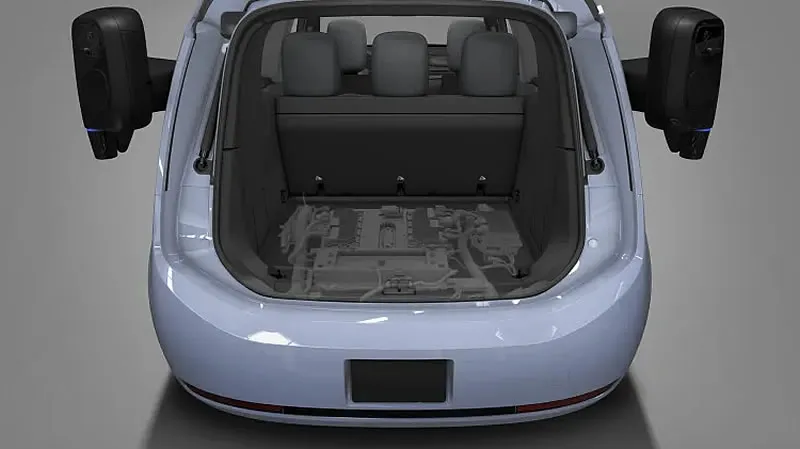
Waymo revealed for the first time details of the computing system that processes sensor data and makes decisions as the robot’s axes move. company Tell Information about the operating principles of the system and the suppliers of components used to create the on-board computer.
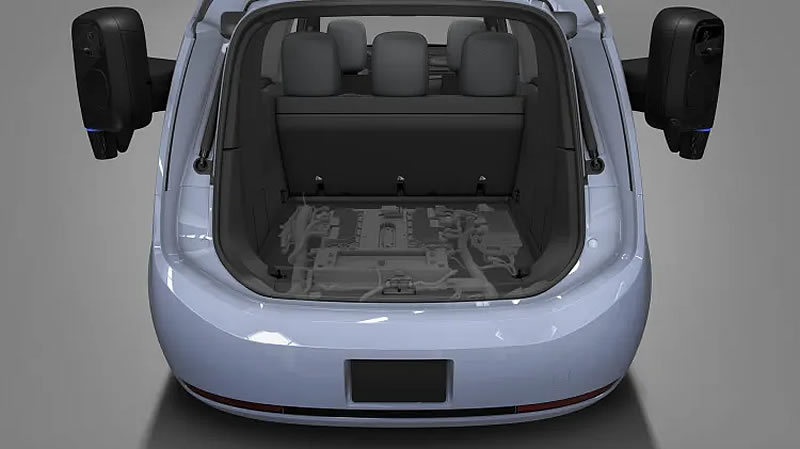
Image source: Waymo
The Waymo computing center is located in the rear trunk of the robotaxi and processes information streams from cameras, lidar and radar in real time to form commands to control the car. Satish Jeyachandran, vice president of engineering, and Daniel Rosenband, director of computing systems, said the company follows three mandatory principles in the design process: minimum latency, resiliency and redundancy. At the same time, the device must withstand vibrations and temperature changes, operate almost silently within the limited space of the luggage compartment, and the presence of two parallel systems will also allow it to remain operational if one of the systems fails.
The core development is a dedicated 5nm ASIC with a performance of 1000 TOPS. The chip performs preliminary processing of the data received from the sensors, combining information from different sources and running machine learning algorithms, and then transmits the results to the rest of the computing complex.

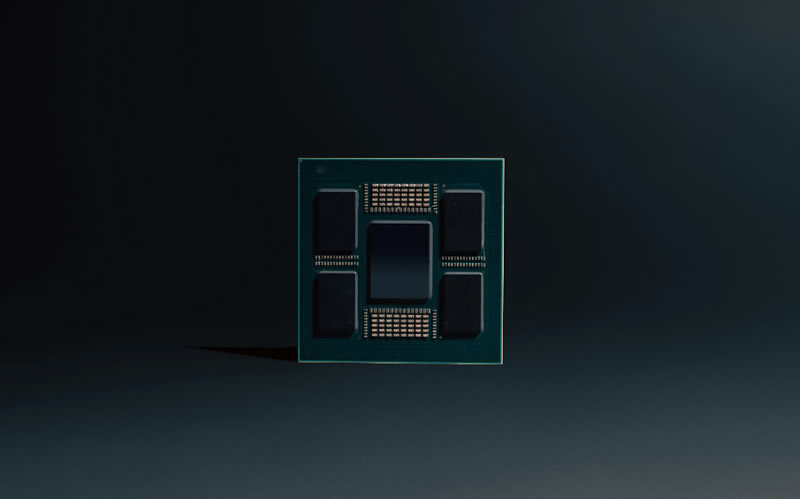
Jayachandran and Rosenband said Waymo’s architecture is primarily focused on machine learning, but for practical tasks, including acting and recording data, the company combines its technology with CPUs, GPUs and specialized accelerators. In particular, the system is able to process images from 13 high-resolution cameras simultaneously, thereby improving object recognition in low-light conditions.


Waymo doesn’t release hardware completely independently. The list of parts suppliers includes AMD, Micron, Nvidia, Samsung, SanDisk, Socionext and TSMC, while the company focuses its own engineering resources on using machine learning to combine sensor data with primary processing. This approach is already in use across Waymo’s fleet of about 4,000 vehicles in more than a dozen cities. According to the company, they take approximately 500,000 paid trips each week.
Waymo did not disclose the cost of the system, but it estimates that the equipment will cost $20,000 to $25,000 for a single sixth-generation vehicle, and $100,000 to $125,000 for a fifth-generation vehicle. Noting that despite this decline, the high cost of onboard computers remains a factor that could complicate further expansion of the company’s robotaxi fleet edge.
If you find an error, select it with your mouse and press CTRL+ENTER.