


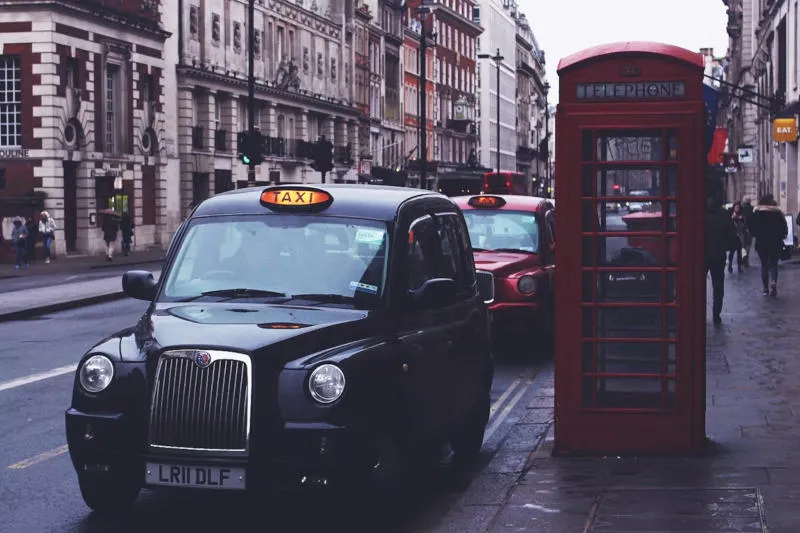
Drivers of London’s classic black cabs have lost a third of their income with the advent of Uber but have survived thanks to their professionalism, they say. Now, they are all bracing for the fact that they may be replaced by a new competitor – robotaxi, writes financial times.
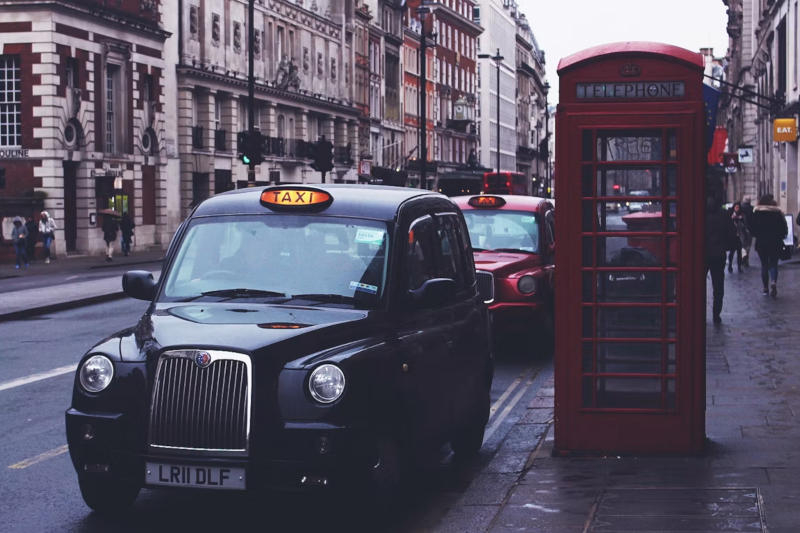
Image credit: Szabolcs Szarapka / unsplash.com
Waymo (owned by Alphabet) and local startup Wayve (backed by Uber) have chosen London as Europe’s first self-driving taxi testing site. British authorities are backing them, but among local drivers, driverless cars evoke mixed emotions – contempt, fear and bravado. Some are hatching cunning plans to disrupt robotaxis on the road – how to make them endlessly give way to other road users, get stuck at intersections and get fined, or how to cause head-on collisions to collect insurance money. However, Waymo said so far there have been no signs of wrongdoing by taxi drivers.
Cars with self-driving capabilities have obvious drawbacks. London is full of narrow streets, reckless pedestrians and unwritten rules about who has priority. And you won’t be able to talk to a self-driving car, unlike a live taxi driver. But that’s not very encouraging for the latter – those who work for Uber know that the service started sending out invitations to customers to participate in robo-taxi tests when the service started. If cars equipped with Autopilot don’t cause a large number of accidents, taxi drivers face the threat of massive job losses. Carl Benedikt Frey, associate professor at the Oxford Internet Institute, recalled that there was already a precedent: when Uber started operating in the United States, taxi drivers’ incomes dropped by 10%. Robotaxis promise to become cheaper, safer, and more convenient—already potentially replacing traditional taxi drivers altogether.
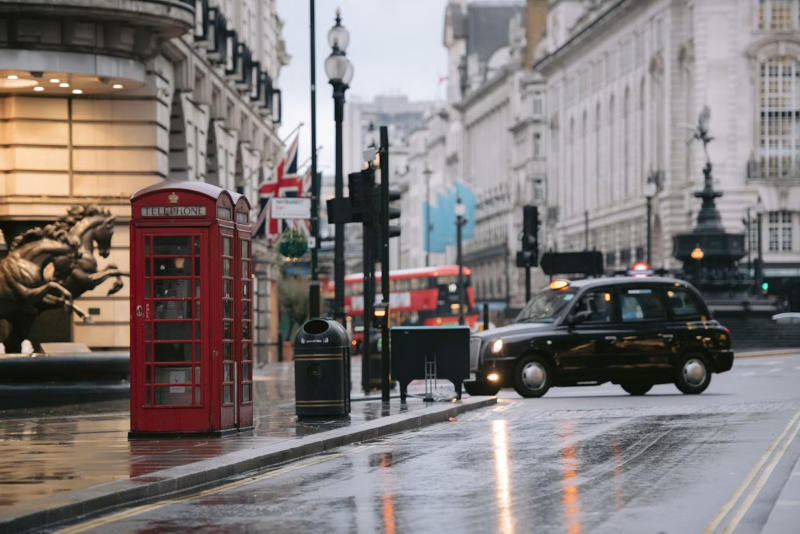
Image source: The Now Time / unsplash.com
The arrival of robotaxis will not have a dramatic impact on the labor market. The owners of these services don’t usually talk about this, but the process can be slow and uneven. Self-driving cars will require maintenance and even remote control operators, but talking about this undermines the illusion of full automation. Uber is discussing a hybrid option that would see the service work with regular drivers and robo-taxi rides. In London, vacancies have opened for technicians who will patrol city streets on e-bikes and evacuate stranded cars on autonomous driving.
Since the advent of Uber, the number of traditional taxis in London has decreased, but the number of private operators has increased – there are about 124,000 licensed taxi drivers in the British capital, the vast majority of whom are private owners. Uber drivers received less than half the fee for some rides, although service regulators attributed it to high taxes. Waymo is talking about “Huge respect for the London black cab industry and the experience of its drivers” and insist that robot axes will become “Additional options”. Waymo reminds that there are 10 million Uber drivers in the world, but there are no more than 10,000 robotaxis in operation, which means it is too early to sound the alarm. The union hopes current taxi drivers will find their place in servicing fleets of autonomous vehicles.
But there are still many things that a robot axis will never be able to do. Drivers searched for lost items, helped disabled passengers with their luggage, provided assistance to the unwell, were not allowed to litter the vehicle – and finally, they did not leave until they saw a lone woman entering her home safely at the end of her journey late at night.
If you find an error, select it with your mouse and press CTRL+ENTER.