

A study from Zhejiang University observed 56 young people watching short videos and found that activity in certain brain areas was temporarily reduced.


intensive use TikTok, Reels, and other short-form video content It has long been the subject of discussion due to its possible effects on cognitive abilities. a new study Zhejiang Universitypublished in the magazine neuroimaginganalyzed precisely what happens in the brain when people freely watch such content, highlighting some temporary changes in brain activity.
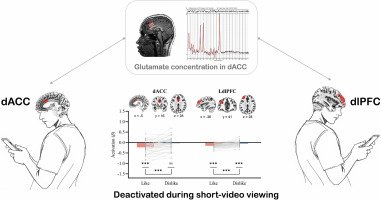
Research involves 56 young peoplewhile watching a short video while undergoing functional magnetic resonance imaging. Scientists focus on the dorsal anterior cingulate cortex and dorsolateral prefrontal cortex. Two areas involved in processes related to cognitive controleffort evaluation, conflict management, and the ability to prioritize future goals over immediate gratifications.
Findings related to brain activity in people who watch Reels and TikTok
The results showed that when participants saw the ending of the film, which they found to be more pleasant, activity in both areas significant decrease compared to reference levels. This diminution was less apparent, however, when the film was quickly abandoned because it was deemed uninteresting.
Instagram completely redesigns Reels and introduces customizable Your Feed tab


However the result is, This doesn’t prove TikTok or Instagram damages the brain. The researchers themselves believe that the decrease in activity may simply reflect a shift toward a state. More automated processing modewhich is characterized by less cognitive effort. A similar phenomenon may occur with other particularly engaging activities.
TikTok, Reels, and the Studio: More Focus and Conclusions
Research also found Glutamate resting concentration is highan excitatory neurotransmitter. In the cingulate cortex, this element was associated with less suppression of activity under certain conditions.

Therefore it is important Avoid too drastic conclusions. The study looked at a single viewing session and did not demonstrate the existence of permanent cognitive consequences.
So we don’t know what will happen after years of daily exposure to Hundreds of short content. Further research is needed to better understand the long-term effects.