
A participant in the Anna Archives project, which positions itself as the largest “A truly open library”calling on volunteers around the world to scan paper books and upload them online. The goal of the initiative is to prevent developers of artificial intelligence systems from possessing large amounts of books and destroying them.
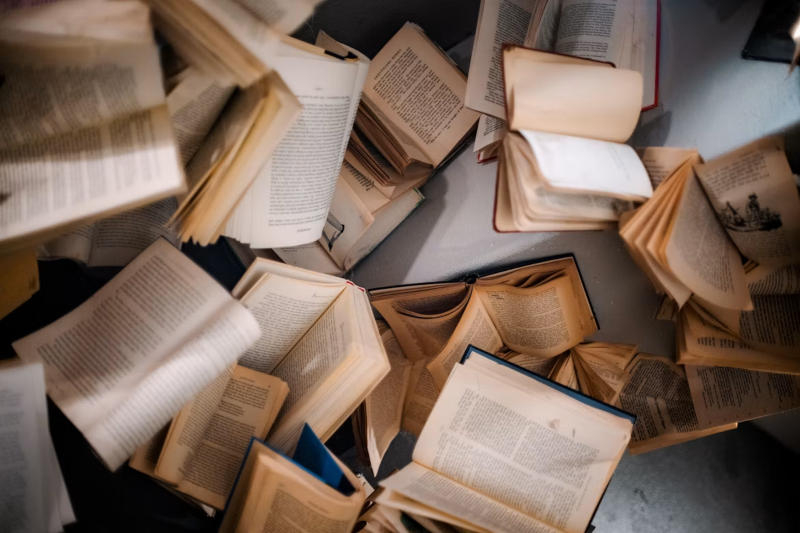
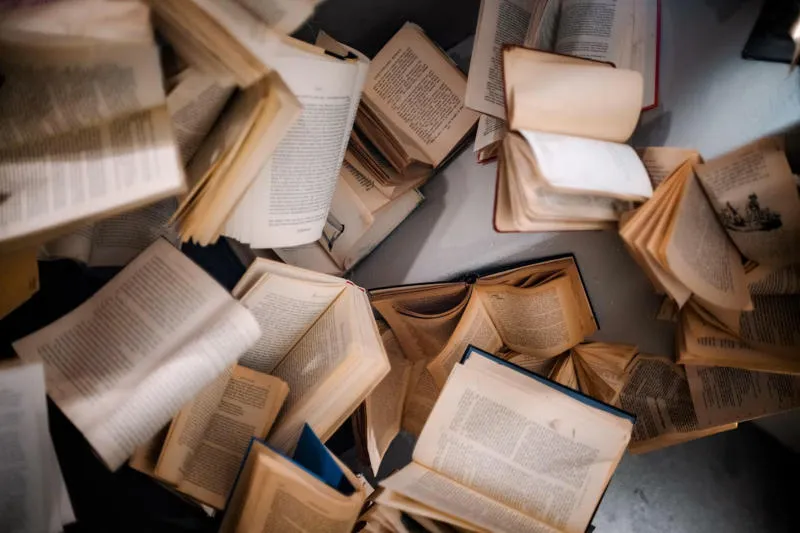
Image credit: Jason Leung / unsplash.com
The problem came to light when Anthropic settled a 2024 copyright infringement lawsuit for $1.5 billion – $200 each for 7 million pirated works. The same court decision confirmed that using existing works to train powerful artificial intelligence models falls under the fair use doctrine. As a result, large artificial intelligence laboratories began to purchase paper books in large quantities, scan them in a barbaric way, and then destroy them. The trend is also confirmed by independent bookstores across Europe, which have received an unexpected surge in orders for local delivery. Buyers don’t negotiate or try to agree on a price, they just place an order. The order includes publications that are simply not needed.
Some of the books end up at Amazon distribution centers, where workers cut the spines off and feed them into industrial scanners. As a result, the print edition was effectively destroyed and replaced with a digital edition. There are some V-scanners that can save books, but they are slower and more expensive than cutting the spine and sending the pages to an automated scanner. Once the originals are destroyed, competitors will be unable to use the same materials to train their AI models, and legal risks are eliminated.
There is a threat of knowledge monopoly. When a book is destroyed, the knowledge contained within it remains only in the hands of the company that scanned it. Unless the company decides to make the original available for free, others will have to pay to access it – again threatening legal issues. It turns out that information can only be accessed in a processed form through artificial intelligence models, and these models do not copy text verbatim due to concerns about copyright infringement. As a result, as Anna Archives puts it, “Knowledge will always monopolize private servers”. People who upload even a handful of scans often receive recognition and lifetime membership in this shadow library. Project management is even ready “Help with fees and other benefits”. Ideally, Anna Archive participants hope to stay ahead of their opponents and scan and download all the world’s publications before publishers block access to knowledge and the AI lab destroys all books.
If you find an error, select it with your mouse and press CTRL+ENTER.