


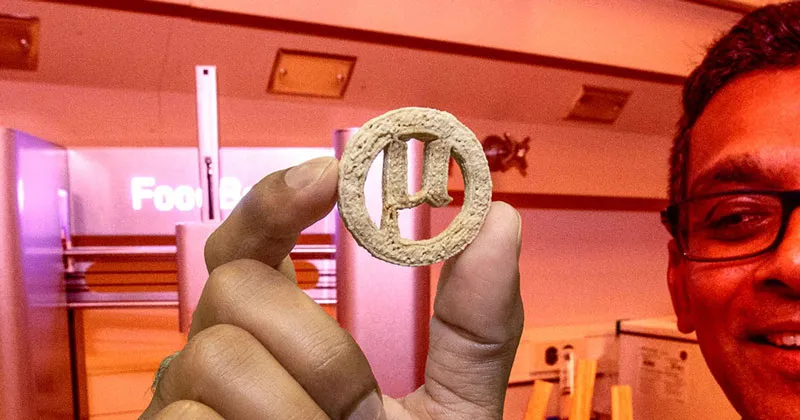
Scientists from the United States established They’ve come up with an unexpected way to combat the mess plastic waste is causing on our planet – they propose turning it into food. It sounds crazy, but that’s exactly the technology researchers are working on: After chemically treating plastic, microorganisms convert the resulting raw material into nutrients that can be used to produce food.
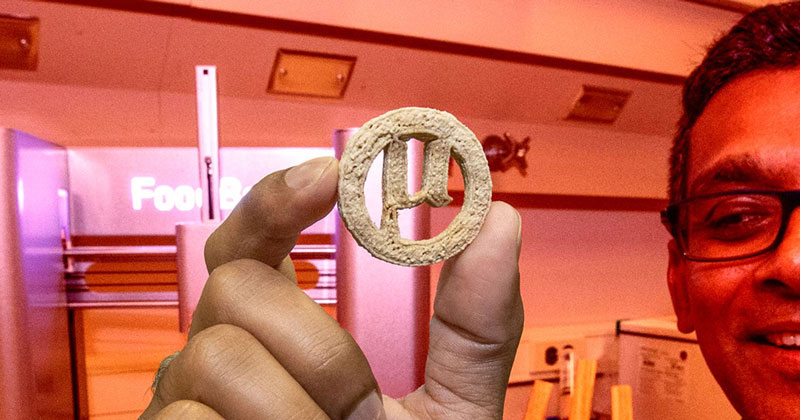
Image source: Southern Illinois University
The main plastic raw material used in the experiment is polyethylene terephthalate (PET), which is widely used in the production of bottles, packaging and synthetic fabrics. Before biorecycling, PET undergoes oxidative hydrothermal dissolution, a process that uses heat, water, and oxygen. This treatment breaks down long polymer chains and turns the plastic into simpler carbon-containing compounds that can already be absorbed by microorganisms.
Thereafter, specially bred strains of yeast process the resulting feedstock into biomass containing protein and fat components. Another strain is capable of converting plant waste such as crop stems into aromatic compounds, including those that give products their vanilla flavor.
The resulting mixture is also mixed with food ingredients (fiber, starch and sweeteners) and then loaded into a specially built 3D printer to give the food material the desired shape. The researchers haven’t tasted the first samples of μBites yet: They’re waiting for permission to taste them from the university.
Interestingly, the project is part of a NASA-funded effort to support long-duration human spaceflight, where the ability to convert waste into food is particularly valuable. However, developers believe the technology has the potential to be used on Earth, helping to solve both the food supply and the recycling of plastic waste.
If you find an error, select it with your mouse and press CTRL+ENTER.